The "Dry Weather" Mold Myth: Why Your Columbia Home Could Still Be at Risk
In South Carolina, we are used to high humidity, but we often assume that if it hasn't rained in a week, our homes are "safe" from water damage. At Kingsley LLC, we’ve seen firsthand that this isn't the case. In fact, some of the most severe mold outbreaks we remediate in Columbia are discovered during long dry spells.
When a roof is compromised (whether by a missing shingle, aged flashing, or a minor structural gap) it creates an entry point. Once moisture is trapped in your attic or ceiling, it creates a self-sustaining ecosystem for mold, regardless of what the weatherman says.
The Science of Trapped Moisture
Columbia’s heat is a major factor. When moisture from a previous leak is trapped in a dark, poorly ventilated attic, the rising temperatures turn that space into an incubator. Mold doesn't need a constant flood to grow; it only needs:
-
A Food Source: (Drywall, wood framing, or insulation)
-
Moisture: (The remnants of a slow drip or high humidity)
-
Warmth: (The SC sun beating down on your roof)
By the time you see a dark spot on your ceiling or smell a musty odor in the hallway, the mold has likely been growing for weeks.
The Kingsley LLC Remediation Process
When we are called to a Columbia home for "dry weather" mold, we follow a rigorous, industrial-grade process to ensure the spores don't return.
1. Professional Moisture Mapping
Even if the surface feels dry to the touch, our technicians use infrared cameras and moisture meters to find pockets of dampness hidden behind your drywall or under attic insulation. If you don't find the source, the mold will return.
2. Strategic Containment
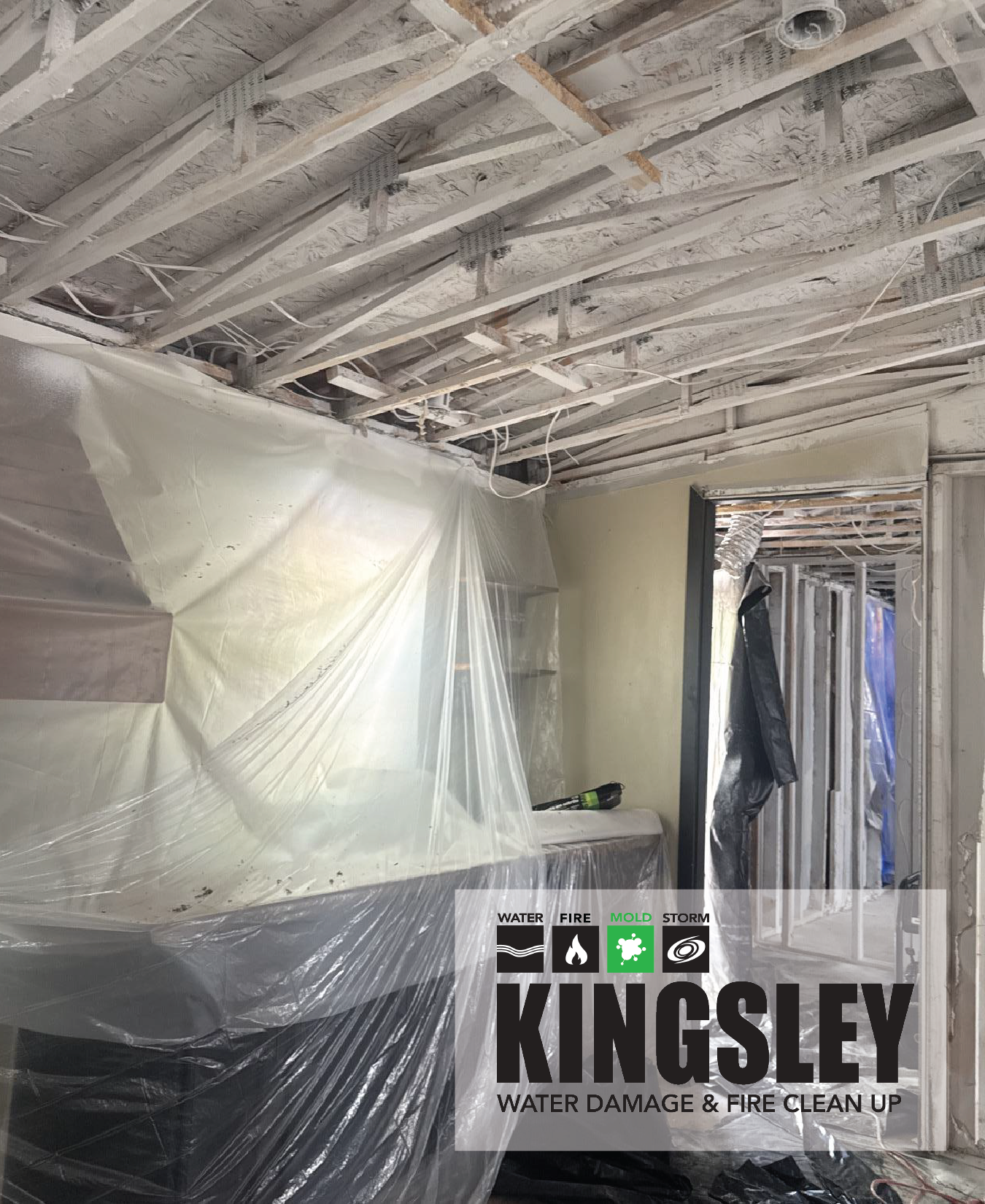
Mold spores are microscopic and lightweight. Simply turning on a ceiling fan can spread them throughout your house. We set up physical barriers and maintain negative air pressure using HEPA-filtered air scrubbers. This keeps the contamination localized to the work zone while we clean.
3. HEPA Vacuuming & Antimicrobial Treatment
We don't just "bleach" mold (which actually doesn't work on porous surfaces like wood). We physically remove the colonies using HEPA vacuums and apply EPA-registered antimicrobial treatments that kill mold at the root while preventing new growth.
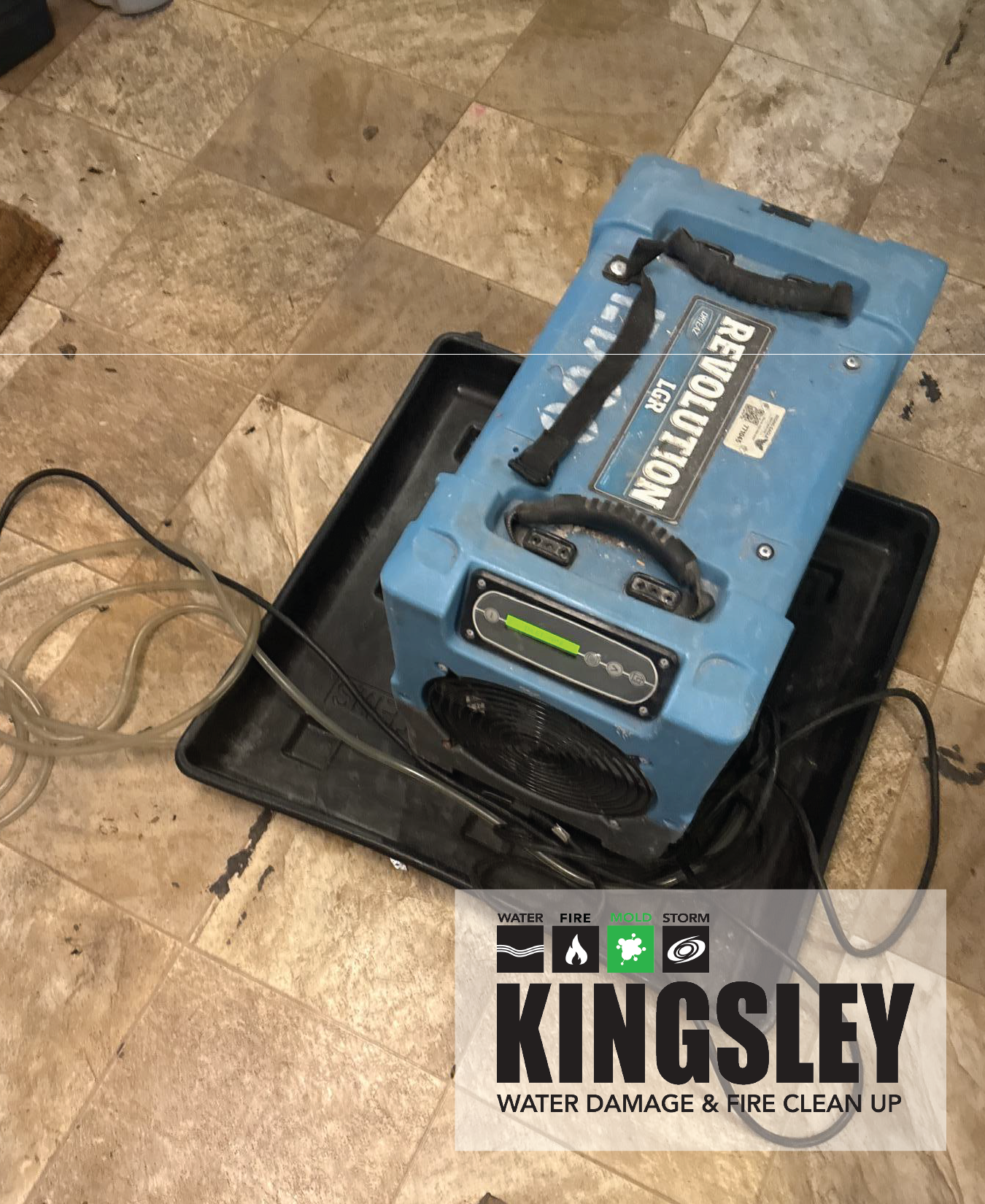
4. Structural Dehumidification
To guarantee the environment is no longer hospitable to mold, we deploy industrial-strength dehumidifiers. We monitor the grains per pound of moisture in the air until the structural wood reaches its dry standard.
Warning Signs for Columbia Homeowners
Since you can't always rely on a rainy day to point out a leak, keep an eye out for these silent indicators:
-
The "Attic Smell": A heavy, earthy, or musty scent when you open your attic hatch.
-
Ghosting: Dark streaks on your ceiling that look like dust but don't wipe away.
-
Aggravated Allergies: If you feel better when you’re at work than when you’re at home, your air quality might be compromised.
-
Roof Debris: If you have pine needles or leaves sitting in the valleys of your roof, they hold moisture against your shingles, leading to slow-rot leaks.
Don't Wait for the Next Storm
The worst time to fix a leak is during a downpour. If you suspect your Columbia home has hidden moisture or mold, the best time to act is now while the weather is clear.
Kingsley LLC is your local expert in Columbia, SC, for mold remediation and water damage restoration. We provide fast, honest assessments and professional-grade results.
📞 Call us today to schedule an inspection and breathe easier in your own home!