BEST Water & Fire Damage Restoration in Goose Creek, SC

Fire, smoke & mold in Goose Creek

Brick-ranch kitchen fires leave soot in returns and soft goods; humid Berkeley County air keeps damp drywall active if drying stops early. Combine smoke & soot cleaning with mold remediation when growth follows water in utility closets or crawls.

EPA mold guidance.

Independent help for Goose Creek losses
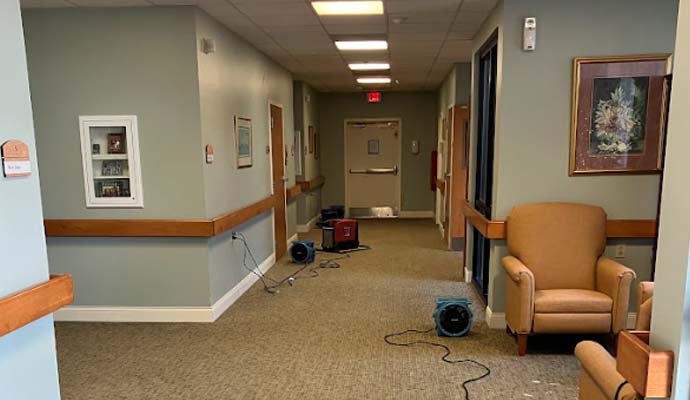
Kingsley water damage restoration process
  • Proof over pitch: 440+ Google reviews and meter logs you can share with an adjuster on Red Bank Rd claims.
  • Transparent pricing talk: We explain mitigation line items before equipment fills a Goose Creek driveway.
  • Always-on dispatch: Goose Creek emergencies get a live consult before trucks roll.
  • Claim-friendly invoicing: Documented packs carriers recognize for Red Bank Rd losses.

Local Expertise for Goose Creek Residents

St. James Avenue, Crowfield gates, and Weapons Station-adjacent streets shape access windows. Musty AC closets after smoke often add air duct cleaning; unclear chase marks get mold testing.

A steady partner for Goose Creek restoration

We stay on-site until readings hold around Goose Creek, then hand you a clean file for rebuild or paint.

Coverage labels vary. For Goose Creek homes we build a clean moisture file; Ready.gov and FloodSmart explain flood terms in plain language.

Water-mitigation steps for Goose Creek properties

  1. Photograph and meter Goose Creek rooms
  2. Stop active water
  3. Pull water and lift only what will not dry
  4. Dehumidify to target
  5. Leave a clear-meter note

Goose Creek residential dry-outs usually clear meters inside 3-7 days. Humidity near Red Bank Rd changes the pace versus inland slabs; we adjust airflow instead of guessing. Practices track IICRC drying principles.
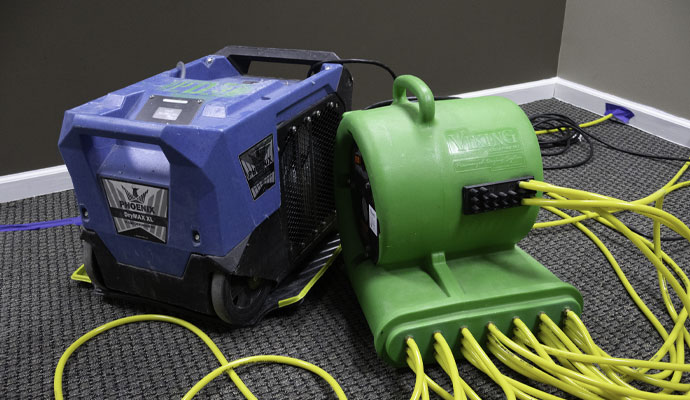
Water Damage Repair in Goose Creek, SC

What to handle before crews roll

Standing water will not wait. Secure the shutoff when safe, then ring us--preferred-vendor names stay optional for Goose Creek owners.

  1. Stop the leak path first--main valve or appliance supply--then call.
  2. Call the desk first: Night or weekend, we help sequence the response. 803-590-0370
  3. Optional preferred vendors. We still document thoroughly and work with carriers when you want help on St. James Ave jobs.

Independent on purpose. Kingsley Water Damage & Fire Cleanup works with carriers daily while Goose Creek homeowners keep contractor choice.

803-590-0370

Areas we serve around Goose Creek

  • St. James
  • Crowfield Plantation
  • Goose Creek core
  • Red Bank Road approaches
  • Devon Forest
  • Sedgefield

Recent Goose Creek homeowner calls

Need-first calls we logged for homes in and around Goose Creek--water, fire, or mold only.

Jonathan C.

Ceiling stain keeps spreading after rain. Want moisture mapping before drywall talk. Wanted extraction guidance near Goose Creek.
Shawna B.

Smoke smell from a cooktop flare will not leave. Need soot cleaning plus air scrubbing. Wanted extraction guidance near Goose Creek.
Marino D.

Closet walls feel damp after AC short-cycled. Hoping for a mold look and drying plan. Wanted extraction guidance near Goose Creek.

Frequently Asked Questions -- Goose Creek, SC

Day-or-night answer. Once pumps start near St. James Ave, ordinary homes still target clear meters within 3-7 days.

Budget a 3-7 day monitored dry-out around Red Bank Rd. Standard scopes stay inside that band--not open-ended tickets.

Preferred directories are usually optional. Kingsley documents independently so you keep choice along St. James Ave.

Either works; many owners start with our free consult so the Goose Creek sequence is clear before adjusters spiral.

Yes--HEPA with drying for kitchen or garage smoke near Red Bank Rd, typically inside 3-7 days.

Shutoff if safe, keep kids off wet LVP near St. James Ave, photograph damage, pause HVAC on wet returns.
Our customers love us!

See All 439 Reviews
Customer Reviews from Goose Creek and Surrounding Areas ( 5
from 12 reviews )

Happy Customers across Goose Creek and Surrounding Areas

Completed Jobs from Goose Creek and Surrounding Areas

See All

September 05, 2026 | Goose Creek, SC

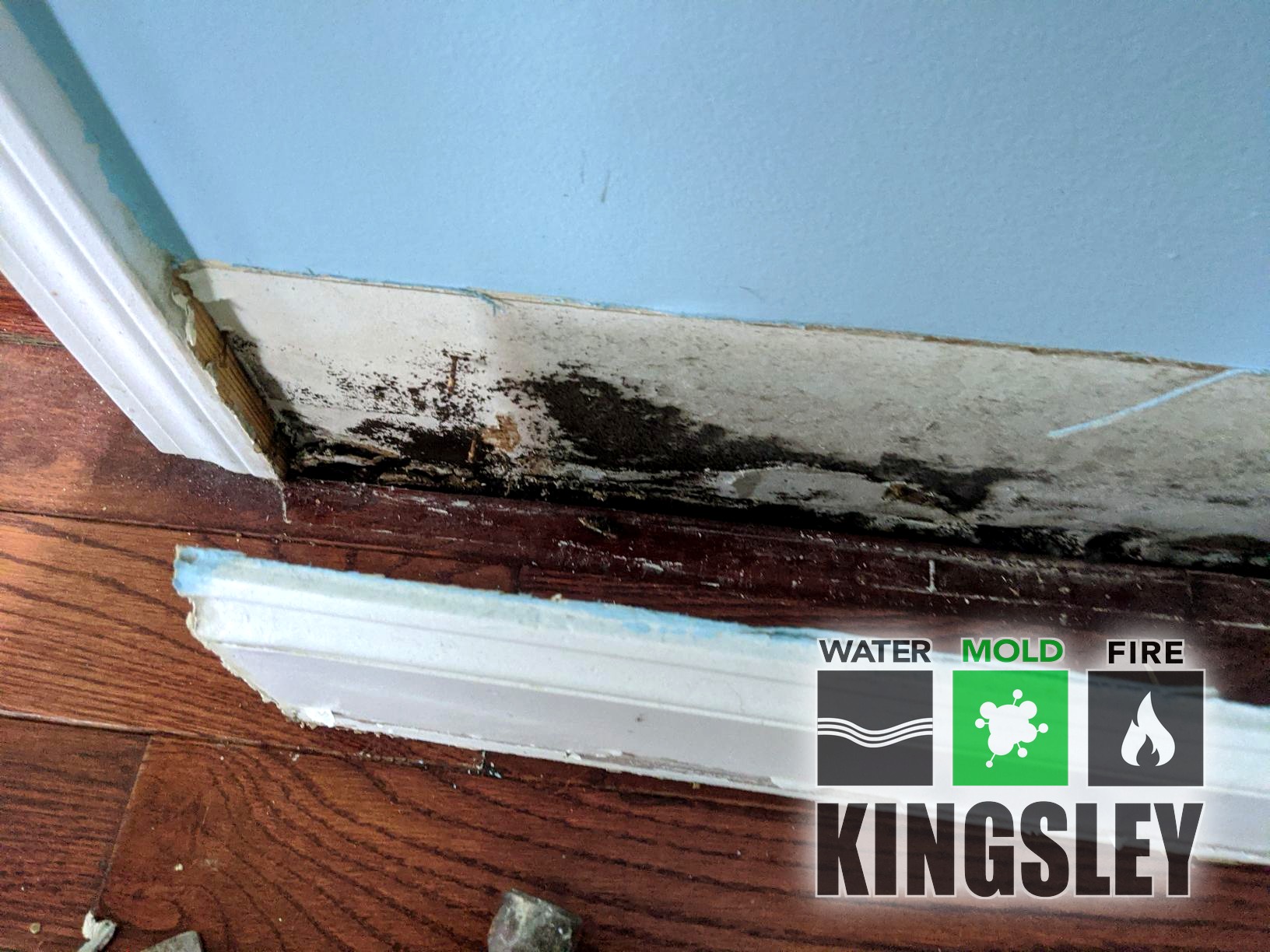
In Goose Creek, SC, Kingsley water damage & Fire cleanup performed residential water damage cleanup and drying after documenting residential water damage cleanup documentation during the initial condition check. That photo-backed condition check defined where finishes had to open, what could stay, and where drying equipment had to aim. The home needed source control, selective removal of non-salvageable wet or contaminated material, and verified drying of what remained in Goose Creek. Contents near the work path were shifted or protected before tools came out in this Goose Creek home.

During mitigation we controlled the work zone so debris did not track into clean rooms. Where finishes blocked drying, we opened only the wet footprint shown by meters and the photo record. Non-salvageable saturated material was bagged and removed; salvageable framing and sheathing were cleaned. HEPA vacuuming and careful handling limited dust from demo. The unique on-site detail that guided this Goose Creek file was residential water damage cleanup documentation. Contents near the work path were shifted or protected before tools came out in this Goose Creek home.

IICRC water-damage practice prioritizes stop the moisture source, remove what cannot be dried in place, clean remaining structures, then dry to target with measured air movement and dehumidification. We placed air movers and dehumidifiers to match the wet assembly, aimed airflow along the wet materials in the photo, and rechecked moisture on a 3–7 day drying calendar with overnight humidity checks—never past about a week. Skipping that short monitoring window is how a straightforward wet call becomes secondary damage or a musty return odor in Goose Creek.

As readings stabilized within that first-week window, we demobilized equipment and left the work area ready for any needed rebuild of finishes or insulation. Photo documentation of the mitigation state stayed with the job file for the Goose Creek property, including the same angle that showed residential water damage cleanup documentation. Helpful takeaway: If flooring feels soft, edges cup, or a stain keeps spreading in Goose Creek, stop walking the wet zone and request moisture mapping before new finishes go down.

Homeowners comparing residential water damage cleanup and drying options in the Goose Creek area should expect a written moisture map, selective removal instead of full tear-out when meters allow, and a clear end point when materials hit dry goal—not an open-ended equipment rental. Kingsley water damage & Fire cleanup follows that measured approach so rebuild decisions rest on documented conditions rather than a calendar guess.

When rebuild starts, keep the dry-standard notes handy for flooring, cabinet, or insulation trades so no one closes a cavity that still reads wet. That handoff is part of finishing residential water damage cleanup and drying correctly in Goose Creek after mitigation—not a separate sales pitch.

Throughout the Goose Creek job we kept communication practical: what was wet, what was removed, what was drying, and when meters said the assembly met goal. That plain record is what homeowners and trades use after residential water damage cleanup and drying—not jargon and not an invented multi-week timeline.

September 04, 2026 | Goose Creek, SC

Camera angle on ceiling stain water intrusion cleanup (Hanahan). Saturated pieces at the pictured spot were bagged out. Scope stayed tight. Meter calendar: three-to-seven days. Never past about a week.

September 03, 2026 | Goose Creek, SC

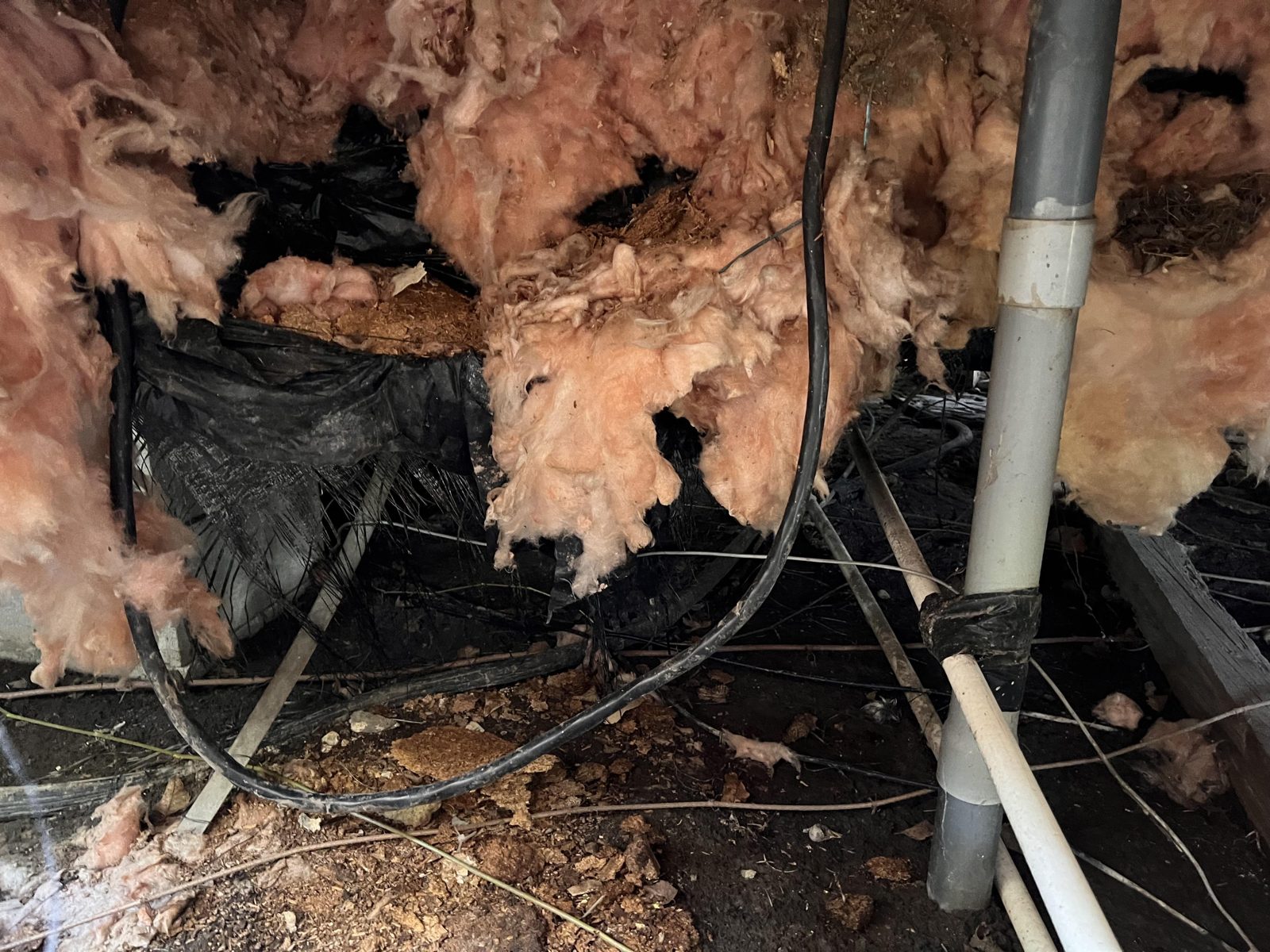
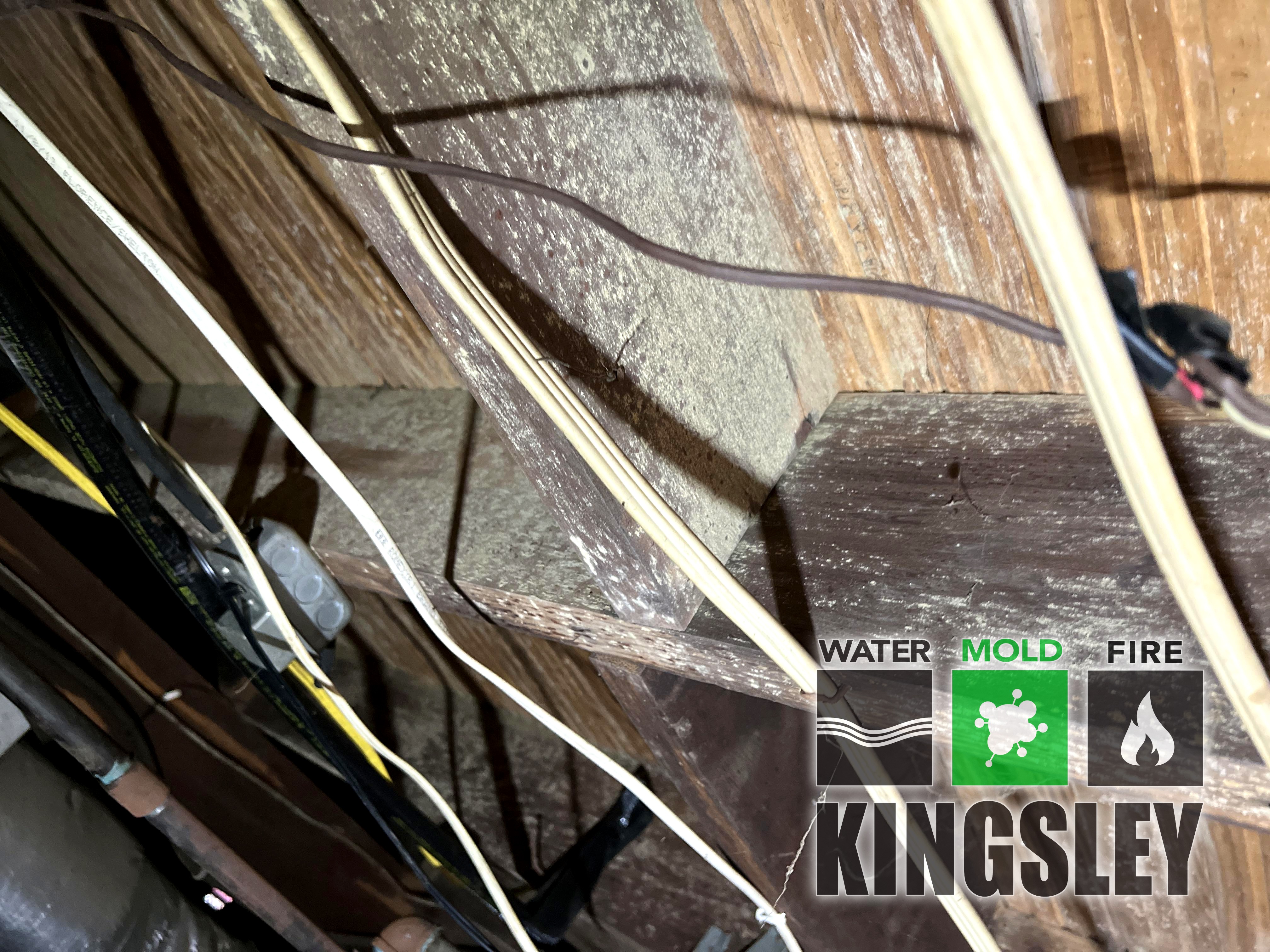
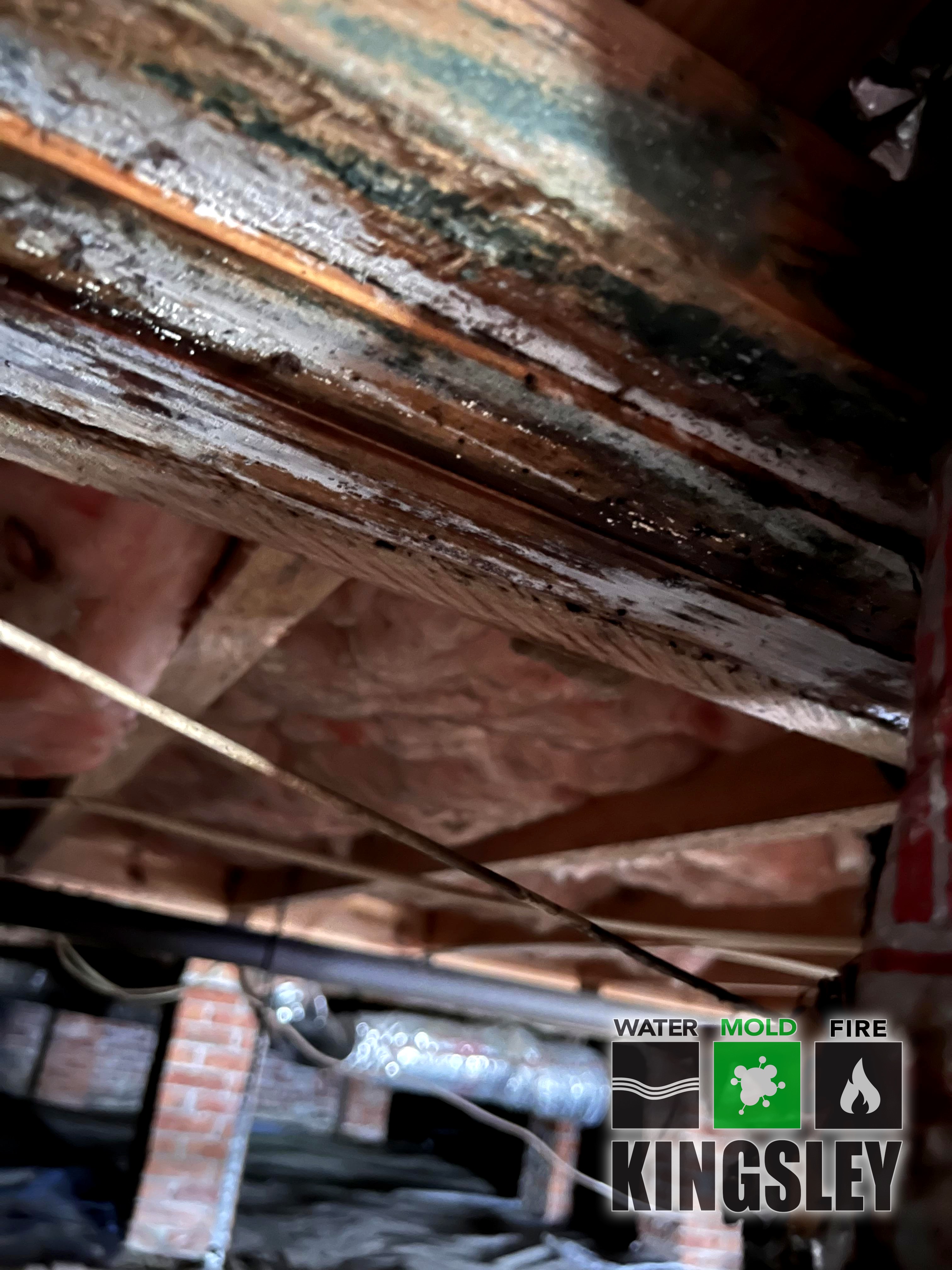
Kingsley water damage & Fire cleanup handled crawlspace joist mold inspection and cleanup for a Goose Creek, SC property. The camera and meters guided scope from the start: crawlspace joists with staining during mold cleanup. That photo-backed condition check defined where finishes had to open, what could stay, and where drying equipment had to aim. The home needed source control, selective removal of non-salvageable wet or contaminated material, and verified drying of what remained in Goose Creek. We avoided opening dry cavities that meters and the camera did not support on this Goose Creek stop.

During mitigation we controlled the work zone so debris and spores did not track into clean rooms. Where finishes blocked drying, we opened only the wet footprint shown by meters and the photo record. Non-salvageable saturated material was bagged and removed; salvageable framing and sheathing were cleaned and treated when microbial staining warranted it. HEPA vacuuming and careful handling limited dust from demo. The unique on-site detail that guided this Goose Creek file was crawlspace joists with staining during mold cleanup. Quiet work windows were held where the household schedule required it, without stretching the drying calendar past about a week.

IICRC water-damage and mold-remediation practice prioritizes stop the moisture source, remove what cannot be dried in place, clean and treat remaining structures with an EPA-registered antimicrobial when staining warranted it, then dry to target with measured air movement and dehumidification. We placed air movers and dehumidifiers to match the crawlspace bay, aimed airflow along the wet materials in the photo, and rechecked moisture on a 3–7 day drying calendar with overnight humidity checks—never past about a week. Skipping that short monitoring window is how a straightforward wet call becomes secondary damage or a musty return odor in Goose Creek.

As readings stabilized within that first-week window, we demobilized equipment and left the work area ready for any needed rebuild of finishes or insulation. Photo documentation of the mitigation state stayed with the job file for the Goose Creek property, including the same angle that showed crawlspace joists with staining during mold cleanup. Helpful takeaway: If you notice musty odors from floor registers or white spotting on crawl wood under a Goose Creek home, have the moisture source and joists inspected before new insulation hides the path.

Homeowners comparing crawlspace joist mold inspection and cleanup options in the Goose Creek area should expect a written moisture map, selective removal instead of full tear-out when meters allow, and a clear end point when materials hit dry goal—not an open-ended equipment rental. Kingsley water damage & Fire cleanup follows that measured approach so rebuild decisions rest on documented conditions rather than a calendar guess.

When rebuild starts, keep the dry-standard notes handy for flooring, cabinet, or insulation trades so no one closes a cavity that still reads wet. That handoff is part of finishing crawlspace joist mold inspection and cleanup correctly in Goose Creek after mitigation—not a separate sales pitch.

Throughout the Goose Creek job we kept communication practical: what was wet, what was removed, what was drying, and when meters said the assembly met goal. That plain record is what homeowners and trades use after crawlspace joist mold inspection and cleanup—not jargon and not an invented multi-week timeline.

November 03, 2025 | Goose Creek, SC

Kingsley water damage & Fire cleanup completed Water Mitigation with moisture mapping, containment as needed, and verified drying over a 3–7 day window in Goose Creek, SC.

October 21, 2022 | Goose Creek, SC

Water Leak Damage Restoration in Goose Creek.

September 28, 2022 | Goose Creek, SC

Crawl Space Insulation Removal and Moisture Control in Goose Creek.

September 15, 2022 | Hanahan, SC

Water Damage Mitigation in Hanahan.

July 29, 2024 | Hanahan, SC

Burst Pipe in Hanahan.

November 03, 2025 | Oak Grove, SC

Water Mitigation in Oak Grove.

October 31, 2025 | Hanahan, SC

Flooded First Floor in Hanahan.

September 02, 2026 | Hanahan, SC

hvac closet moisture and mold cleanup, logged in Hanahan. Selective demo tracked meters on the framed assembly. Scope stayed tight. Settled within a 3–7 day span. Never past about a week.

September 24, 2026 | Hanahan, SC

In Hanahan, SC, Kingsley water damage & Fire cleanup performed doorway subfloor water damage cleanup after documenting doorway Subfloor Water Damage Cleanup during the initial condition check. That photo-backed condition check defined where finishes had to open, what could stay, and where drying equipment had to aim. The home needed source control, selective removal of non-salvageable wet or contaminated material, and verified drying of what remained in Hanahan. We labeled the wet edge on the sketch so later visits matched day-one photos.

During mitigation we controlled the work zone so debris did not track into clean rooms. Where finishes blocked drying, we opened only the wet footprint shown by meters and the photo record. Non-salvageable saturated material was bagged and removed; salvageable framing and sheathing were cleaned. HEPA vacuuming and careful handling limited dust from demo. The unique on-site detail that guided this Hanahan file was doorway Subfloor Water Damage Cleanup. Contents near the work path were shifted or protected before tools came out.

IICRC water-damage practice prioritizes stop the moisture source, remove what cannot be dried in place, clean remaining structures, then dry to target with measured air movement and dehumidification. We placed air movers and dehumidifiers to match the wet assembly, aimed airflow along the wet materials in the photo, and rechecked moisture on a 3–7 day drying calendar with overnight humidity checks—never past about a week. Quiet work windows were held where the household schedule required it, without stretching past that first-week ceiling. Skipping that short monitoring window is how a straightforward wet call becomes secondary damage or a musty return odor in Hanahan.

As readings stabilized within that first-week window, we demobilized equipment and left the work area ready for any needed rebuild of finishes or insulation. Photo documentation of the mitigation state stayed with the job file for the Hanahan property, including the same angle that showed doorway Subfloor Water Damage Cleanup. Helpful takeaway: If flooring feels soft, edges cup, or a stain keeps spreading in Hanahan, stop walking the wet zone and request moisture mapping before new finishes go down.

Homeowners comparing doorway subfloor water damage cleanup options in the Hanahan area should expect a written moisture map, selective removal instead of full tear-out when meters allow, and a clear end point when materials hit dry goal—not an open-ended equipment rental. Kingsley water damage & Fire cleanup follows that measured approach so rebuild decisions rest on documented conditions rather than a calendar guess.

When rebuild starts, keep the dry-standard notes handy for flooring, cabinet, or insulation trades so no one closes a cavity that still reads wet. That handoff is part of finishing doorway subfloor water damage cleanup correctly in Hanahan after mitigation. Throughout the job we kept communication practical: what was wet, what was removed, what was drying, and when meters said the assembly met goal—without inventing a multi-week timeline.

For this Hanahan stop, the close-out standard stayed simple: meters at goal, photo set filed, and no equipment left running past the 3–7 day band.