BEST Mold Removal and Remediation Company in Columbia, SC
Mold in your home poses serious risks to both your health and property, often developing after water damage incidents. At Kingsley Water Damage & Fire Cleanup, we specialize in comprehensive water damage repair and mold remediation services to swiftly address these issues. Whether you're buying or selling a home or have unexpectedly discovered mold due to water damage, acting quickly is crucial to minimize exposure to harmful mold spores and prevent further structural damage. For top-rated water damage repair and mold removal services in Columbia, contact Kingsley Water Damage & Fire Cleanup today.Causes Of Mold in Columbia, SC Homes
Frequently Asked Questions
Mold remediation is the process of containing, removing, and cleaning mold-contaminated materials, then correcting the moisture source so growth does not return. IICRC S520–aligned work typically includes inspection and moisture mapping, containment with HEPA filtration, removal or cleaning of affected materials, antimicrobial treatment where appropriate, and verification that the area is dry. At Kingsley Water Damage & Fire Cleanup, we follow that process for homes and businesses in the Columbia, Lexington, and West Columbia area.
Cost depends on how much area is affected, whether materials must be removed (drywall, insulation, carpet), access (crawlspace vs open rooms), and whether the moisture source still needs repair. A small, contained bathroom job is not priced like a whole-floor or HVAC-related job. We assess on site, explain the scope, and document findings for insurance when a claim applies—without quoting a one-size number that would not fit Midlands SC homes.
Many residential mold-remediation jobs average about 3–7 days for containment, removal, and drying, depending on square footage and demolition needs. Rebuilding finishes (drywall, paint, flooring) adds more time if that is part of the scope. After the initial inspection we give a clear timeline for your Columbia or Lexington property.
Not always. The CDC and similar public-health guidance generally focus on removing visible mold and fixing moisture rather than routine testing for every case. If mold is clearly visible, remediation can often start without waiting on lab results. Testing can still help when the source is unclear, for documentation, or when an insurer or third party requests it. We offer both testing and remediation so you are not bounced between companies.
“Black mold†usually refers to dark-colored growth, sometimes Stachybotrys, but color alone does not identify the species or risk. Any indoor mold growth should be treated seriously—especially for people with asthma, allergies, or weakened immune systems—because exposure can irritate eyes, nose, throat, and lungs. Professional containment and removal matter more than guessing the species from a photo.
Small spots on hard, non-porous surfaces can sometimes be cleaned with detergent and water if the moisture source is fixed. Larger growth, porous materials (drywall, insulation, carpet), HVAC involvement, or recurring musty odors need professional remediation. DIY scrubbing without containment can spread spores. IICRC-trained crews use containment, PPE, and HEPA filtration designed for that risk.
Coverage varies by policy and cause. Mold tied to a sudden, covered water event (for example a burst supply line) is more often considered than mold from long-term neglect or humidity alone. We document moisture sources, affected materials, and photos and can work with your adjuster. Confirm coverage with your carrier; we do not invent claim outcomes.
Under the right conditions—moisture, organic material, and typical Midlands humidity—mold can begin to colonize in as little as 24 to 48 hours. That is why drying and remediation timing matter after leaks, floods, or HVAC condensate issues. Addressing standing moisture quickly reduces the chance of a small water job becoming a mold job.
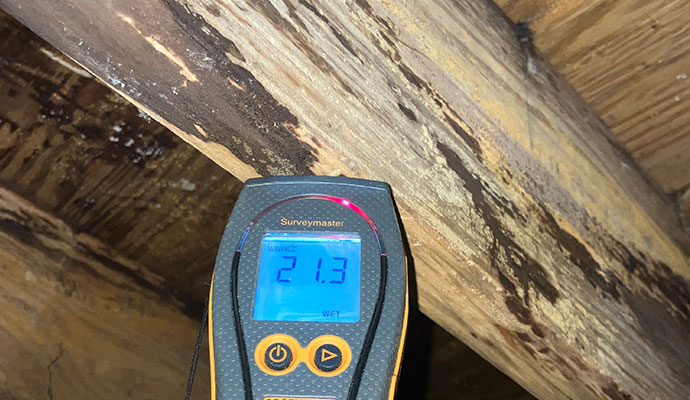
Mold can develop in homes for a wide range of reasons. The Columbia area is hot and humid, which causes high levels of moisture – the perfect environment for mold to thrive. However, other conditions must also be met before mold will grow in a home. In addition to spores, mold needs warmth, oxygen, and a food source like drywall, wood, or cotton. If the conditions are right, mold can start to grow in as little as 24 to 48 hours.
It is not always easy to spot mold right away. Mold can grow undetected in small cracks and crevices, such as in the grout between ceramic tiles. It is most common in rooms of the home where there is a lot of moisture, such as a bathroom, kitchen, or basement. It can also develop under window air conditioner units, in HVAC ductwork, around chimneys, inside walls and crawlspaces, and near foundation air vents. An experienced Columbia mold inspector knows where to find, identify, and remove harmful mold from your home.
Just because you do not see mold does not mean it is not there. Other signs that could indicate the presence of mold in your home include a musty odor, property deterioration, and unexplained respiratory illnesses. And mold has long-term health concerns, including developmental issues in children.
The Harms of Mold: Why You Need Immediate Mold Removal Columbia
Mold is a type of fungus that thrives in moist environments and can grow on various surfaces, including walls, ceilings, floors, and even personal belongings. There are several reasons why mold in a Columbia, SC home can be harmful:
Mold produces spores that can become airborne and be inhaled by residents of the home in Columbia, SC. Inhaling mold spores can lead to a range of health problems, particularly for individuals with allergies, asthma, or compromised immune systems. Common health symptoms associated with mold exposure include nasal stuffiness, throat irritation, coughing, wheezing, eye irritation, skin rashes, and more severe respiratory issues in some cases.
Some people in Columbia, SC may be allergic to mold, and exposure to mold spores can trigger allergic reactions. These reactions can vary in severity, depending on an individual’s sensitivity.
Mold exposure can worsen respiratory conditions like asthma and bronchitis, leading to exacerbated symptoms and potentially more frequent attacks, particularly in the residents of Columbia, SC.
Certain types of mold, such as Stachybotrys chartarum (commonly referred to as “black mold”), can produce mycotoxins that are potentially toxic to humans. Prolonged exposure to mycotoxins can lead to more severe health problems, which should be of concern to residents of Columbia, SC.
In addition to health concerns, mold can also cause structural damage to a home in Columbia, SC. It can deteriorate materials like wood, drywall, and insulation, potentially resulting in expensive repairs.
Mold can release volatile organic compounds (VOCs) into the air, leading to a musty odor and contributing to poor indoor air quality in homes in Columbia, SC.
It’s crucial to address mold issues promptly if they are detected in your home in Columbia, SC. Contact a top-rated mold removal company to make sure your home is clear of mold and help you and your family breathe easier again.
The Mold Remediation Process
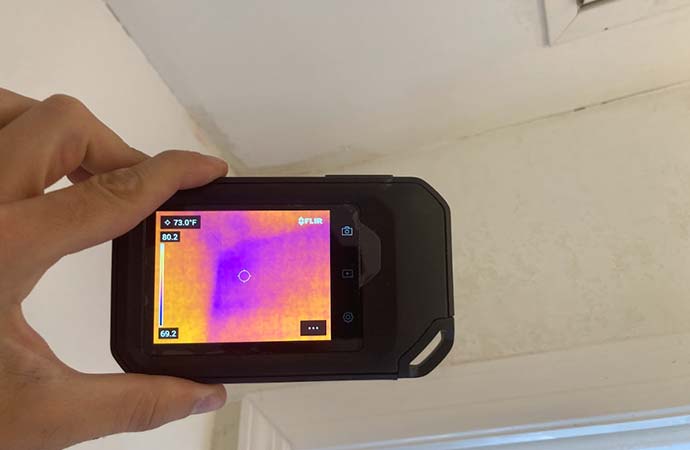
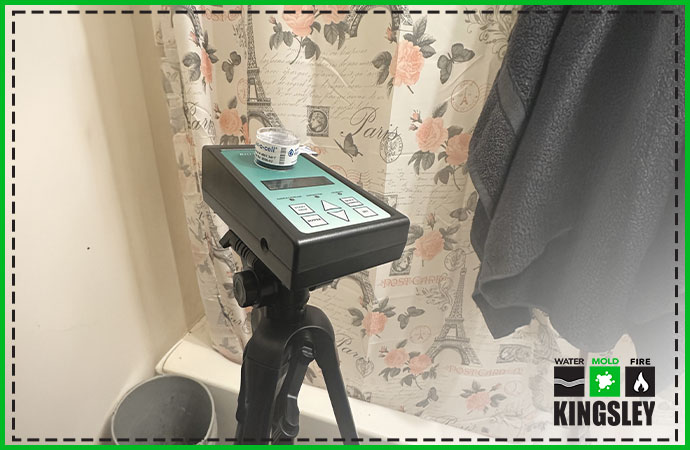
Mold remediation involves a series of steps designed to identify, contain, and remove mold. The first step is to identify the mold. You want a Columbia mold testing company to inspect your home, take samples, and identify all the areas that are infected.
At the start of the removal and remediation process, it is important to isolate the contaminated area to prevent mold spores from going airborne and spreading to other areas of the home. Proper ventilation is also required during mold remediation. Air filtration devices, such as air scrubbers, can help keep spores within the contaminated area.
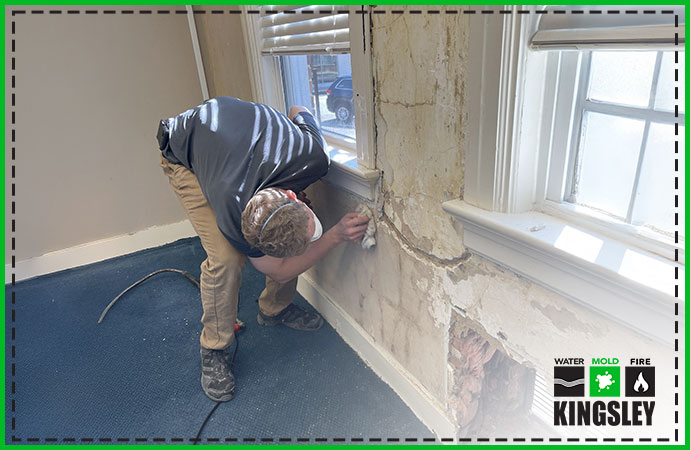
Next, the affected area will need to be thoroughly cleaned and disinfected. This involves removing any infected materials and applying a biocide, fungicide, or moldicide solution to the affected materials. Any wet or mold-damaged porous materials should be discarded in plastic bags tied closed. Wood or non-porous materials must be cleaned with a detergent solution. For more severe mold infestations, a HEPA vacuum may be needed to clean surfaces.
Finally, you will need to address the underlying source of the mold to prevent future mold growth. The source of the mold may be a hidden leaking pipe, rain seeping in due to a damaged roof, gaps around windows or doors, or foundation flooding. Improperly installed flashing, ice damming problems, missing insulation, and similar issues can all contribute to mold in the home.
Should You Buy a Home with Mold?
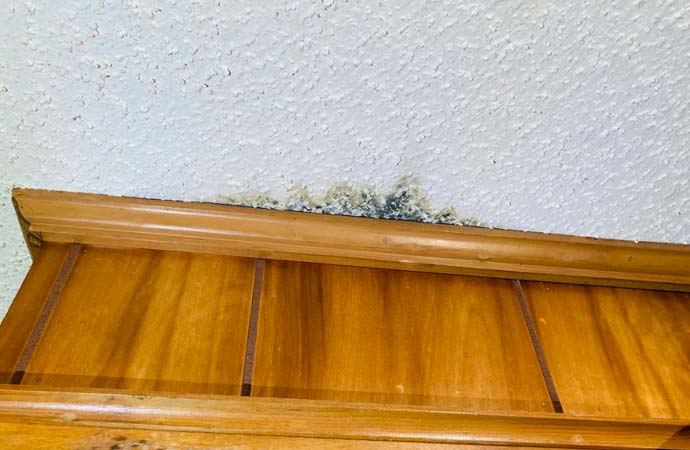
After searching high and low for that perfect Columbia, South Carolina home, you at long last find the one of your dreams. But just before you sign on the dotted line, you learn that it has mold problems. Is that such a big deal? Should you still buy it?
Before buying any home, make sure to have it inspected for mold and other issues. Require that the inspection includes a contingency clause. This defines a condition or action that needs to be met before a real estate contract becomes binding. Never accept a seller’s or real estate agent’s opinion about whether mold is present or not. Even if the home has been deeply discounted, have an inspection completed because the cost of eliminating the mold could very well eliminate any savings. If mold is found during an inspection, then you’ll have more leverage during price negotiations. You can then decide to do one of three things:
- Request the seller to lower the asking price.
- Ask the seller to repair the problem by hiring a mold removal company.
- Walk away from the transaction.
Sellers are bound under South Carolina state real estate disclosure rules to disclose to the buyer if there’s a current mold problem in the house or if it’s ever been flooded, but they don’t always do so. If they don’t, the owner could be liable to you for failure to disclose. (See the Nolo article, “Home Defects: Sue the Seller,” which offers helpful advice on defining who’s legally responsible for home deficiencies and how to file suit.)
There’s no correct answer to the question of whether or not it’s OK to purchase a home with mold. Your main concerns ought to be your budget, your health, and how quickly you’ll need to move in. For example, if you’re suffering from allergies and there’s lots of mold in a home, it’s risky to buy it if you must move in right away. Then again, if you have the resources and ability for mold removal, buying a home that contains mold growth may save you some money, especially if the home is assessed at a lower price due to mold.
Whether you are buying or selling a home, or have found mold in your home, it is important to act quickly and call a Columbia mold removal specialist so we can limit your exposure to hazardous mold spores and minimize damage to your home.
Contact Our Columbia Mold Remediation Specialists
Kingsley Water Damage & Fire Cleanup in Columbia, SC specializes in helping our Columbia neighbors return their home back to normal after a catastrophic event. We also specialize in water damage restoration, fire damage restoration, and storm cleanup.
Don’t live near our Columbia office? From our offices in Lexington and Lugoff, we provide remediation services throughout the Midlands region.
If you are struggling with mold in your home, schedule an appointment online or call us at 803-590-0370 for a mold inspection and removal estimate. Protect your family from mold exposure today!
5 out of 441 reviews

Other pages you may be interested in...