BEST Water & Fire Damage Restoration in Pontiac, SC

All Damage Restoration Companies Are The Same, Right? Think Again

  • Immediate Dispatch- Calls Answered Live
  • Insurance Damage Repair Specialists
  • No Money Upfront- Direct Bill Insurance
  • 440+ five-star Google reviews
  • All Work Guaranteed
803-590-0370
Water Damage Repair in Pontiac, SC

What to do right now

Active leak or standing water? Start here—simple steps that protect people and property without boxing you into a vendor list.

  1. Stop the water if you can (shutoff) and stay safe.
  2. Call us for a free phone consult — we dispatch immediately on emergencies and tell you whether your next call should be a plumber, your insurance company, or neither. 803-590-0370
  3. You choose your contractor. Preferred-vendor lists are optional; you’re not required to use them.

Your choice, your advocate. Kingsley Water Damage & Fire Cleanup is independent—we document thoroughly, work with carriers daily, and put your property first. Preferred lists don’t override your right to hire who you trust.

803-590-0370

How water damage restoration works in Pontiac

  1. Inspect & moisture-map (including crawlspaces common in older Pontiac homes)
  2. Stop or contain the source
  3. Extract standing water; remove unsalvable materials when required
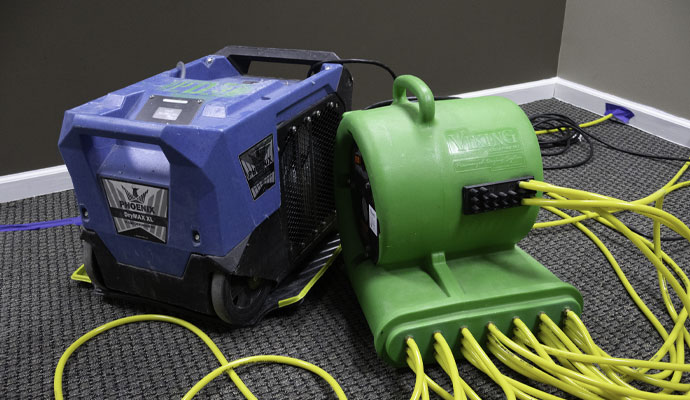
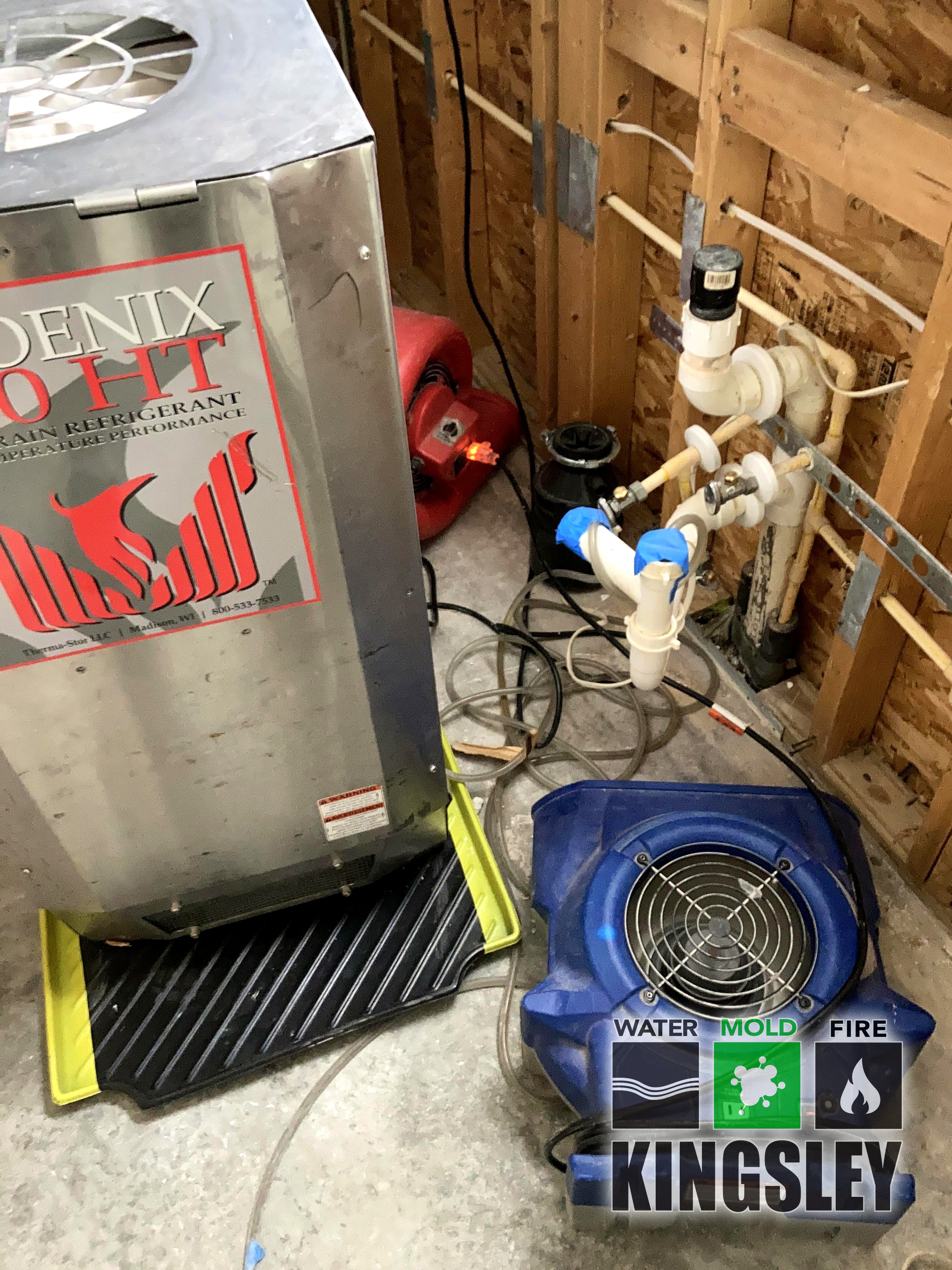
  4. Dry with air movers/dehumidifiers to target readings
  5. Clean, sanitize, restore finishes

Average residential extraction/drying: about 3–7 days. Historic plaster or hardwood may need gentler, longer monitored dry paths than modern drywall—still within a disciplined meter-based plan. Our methods align with IICRC restoration standards.

Pontiac’s density helps response time; humidity still sets the drying physics. We size equipment to the grain reading, not the square footage guess, and we do not release flooring for replacement until moisture goals are met—keeping most standard jobs in the 3–7 day mitigation window.

When a kitchen or electrical fire leaves openings to weather, we coordinate emergency board-up alongside water mitigation so secondary rain and humidity do not compound the loss.

Why Choose Kingsley Water Damage & Fire Cleanup?
Kingsley water damage restoration process
  • Unmatched Service Quality: 440+ five-star Google reviews. We accept all insurance but operate independently—your needs stay the top priority.
  • Transparent Estimates Without Pressure: Clear water damage scopes and documentation so you can decide without high-pressure sales tactics.
  • Round-the-Clock Emergency Response: Rain, sleet, hail, or pipe burst—our 24-hour team is ready for Pontiac emergencies.
  • Direct Bill Insurance: We bill carriers when the claim allows, so you aren’t stuck fronting the whole mitigation bill.

Local Expertise for Pontiac Residents

As a locally owned Midlands company, we know crawlspaces, plaster, and humidity here. After soot or musty odor events, many homes also benefit from air duct cleaning. When growth is suspected but not obvious, mold testing helps scope work before remediation.

Your Partner in Property Restoration

Kingsley Water Damage & Fire Cleanup partners with Pontiac homeowners and businesses from first call through verified dry-down. Storm cleanup, mold concerns, or everyday leaks—we bring local knowledge and a community-first approach to every project.

Sorting flood vs. homeowners coverage? Review Ready.gov flood guidance and FloodSmart.gov for plain-language basics—we document the loss; your carrier confirms coverage.

Fire, smoke & mold in the capital city

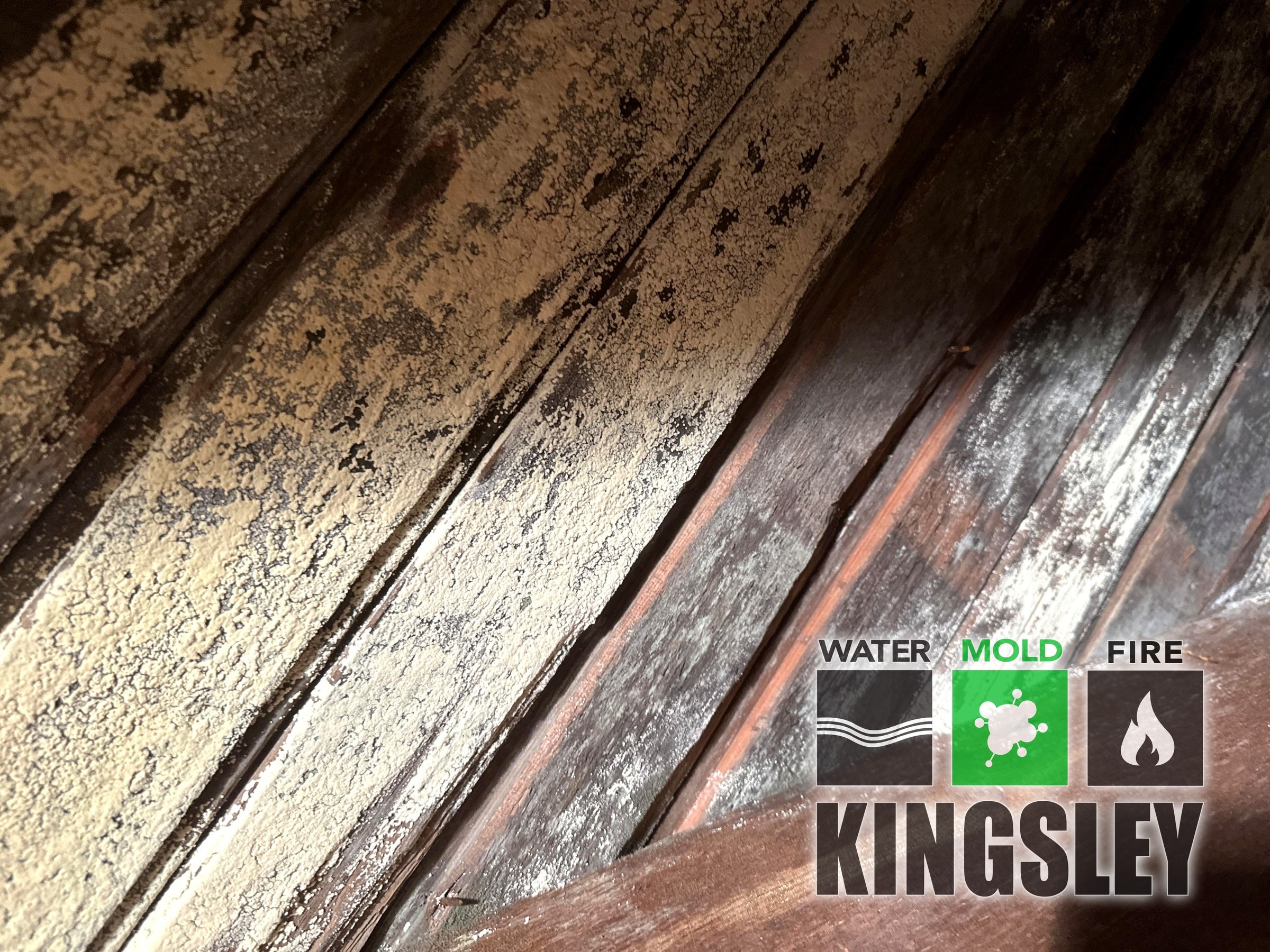
Dense housing and restaurant corridors mean kitchen and electrical fires need fast board-up so the structure is weather-tight, plus thorough smoke & soot control so odor does not migrate through shared walls and HVAC. Mold calls often trace to prior wet events or chronic crawlspace moisture after incomplete drying.

For homeowner-facing mold basics, see the EPA mold guidance.

Helpful takeaway for Pontiac homeowners

In crawlspace neighborhoods (many pockets of Pontiac qualify), a “small” bathroom leak can wet insulation you never see from the living room. If floors feel soft or you smell must after a leak, have the crawl inspected before closing the claim file—chronic cases often need crawl space mold protocols, not surface sprays alone.

That single check prevents many callbacks. For Midlands documentation examples, browse recently completed jobs.

Areas we serve around Pontiac

  • Vista
  • Forest Acres
  • Two Notch
  • Devine Street
  • Shandon
  • Northeast Pontiac

Call 803-590-0370 for dispatch anywhere in this corridor.

Pontiac neighborhoods & Congaree/Saluda context

Downtown and Vista lofts, Five Points rentals, Shandon and Earlewood craftsman homes, Forest Acres ranches, St. Andrews and Dentsville suburbs, Arcadia Lakes edges—each block wets out differently. River-adjacent and low lots feel Congaree/Saluda floodplain weather when multi-day rain settles over the Midlands—see flood damage when standing water reaches living space. Hot summers punish incomplete drying.

Everyday losses still dominate: burst pipes on cold snaps, water heaters in garages and closets, appliance lines, and roof leaks after severe cells along Devine, Beltline, and Two Notch corridors.

  • Plumbing failures in historic and mid-century housing
  • Crawlspace moisture in older Pontiac neighborhoods
  • Commercial water damage in offices and retail along the Vista and Main Street
  • Storm intrusion after Midlands thunderstorms

Nearby we also cover heavily: West Pontiac, Cayce, Forest Acres, St. Andrews, Dentsville, Irmo, Lexington.

Shandon plaster, Forest Acres mid-century brick, and St. Andrews crawlspaces are not interchangeable drying problems. We note construction type on arrival because plaster and hardwood need slower, monitored dry paths than modern drywall, while crawlspace wet insulation often decides whether odors return after the living room “looks fine.”

Frequently Asked Questions — Pontiac, SC

Most residential extraction and structural drying averages about 3–7 days with monitoring. Historic materials and Category 3 water can change the path. Rebuild is scheduled after drying goals. Our methods align with IICRC restoration standards for moisture mapping and verified drying.

Yes—Pontiac and the Midlands are our core market. Call 803-590-0370 for 24/7 response across Forest Acres, St. Andrews, downtown, and surrounding cities.

Usually you may choose your contractor. Preferred-vendor lists are optional. We document thoroughly and work with carriers daily; your policy controls network rules.

Yes. Category 3 losses need removal and cleaning protocols beyond ordinary clean-water drying. See sewage removal for detail.

Find the moisture driver, contain when needed, remove affected materials properly, and dry. Surface products alone are not a remediation plan.

Yes. Downtown offices and retail get the same containment discipline as homes. Our commercial fire teams focus on documentation so businesses can reopen sooner.

Not necessarily. Call us for a free phone consult first—we dispatch on emergencies and help you decide whether your next call should be a plumber, your insurance company, or neither. You still choose your contractor.

Need help at a Pontiac property? Call 803-590-0370 or use our contact page. Office: 3031 Scotsman Rd Suite 16, Pontiac, SC 29223 · 803-590-0370.
Our customers love us!

See All 439 Reviews
Customer Reviews from Pontiac and Surrounding Areas ( 5
from 12 reviews )

Happy Customers across Pontiac and Surrounding Areas

Completed Jobs from Pontiac and Surrounding Areas

See All

December 15, 2022 | Pontiac, SC

Kingsley water damage & Fire cleanup completed Crawl Space Cleanup and Vapor Barrier Replacement with moisture mapping, containment as needed, and verified drying over a 3–7 day window in Pontiac, SC.

November 03, 2025 | Columbia, SC

Kingsley water damage & Fire cleanup supported fire and smoke cleanup in Columbia, SC where heat and residues affected finished rooms and, in many Midlands losses, suppression water soaked flooring below. We confirm safe entry, photograph soot patterns on walls, ceilings, and contents, and separate dry living space from the work zone before wet-wiping anything. That photo-backed look decides what cleans in place, what packs out, and where structural drying must run in parallel so cleaned surfaces are not sitting on wet substrate.

Mitigation steps stay in homeowner language: contain the mess, open only what inspection supports, remove what will not dry, and clean or treat what can remain. HEPA filtration supports air cleaning when dust or microbial particles are a concern. Daily updates name the rooms still wet and why machines are still on site—no unexplained jargon wall. If children or pets use the home, we talk through temporary barriers and which doors should stay closed while airflow is balanced.

Drying follows a practical IICRC-oriented order: extract, move air, dehumidify, and monitor until readings support releasing equipment. Typical occupied homes in the Midlands finish structural drying inside a 3–7 day window. Cool crawls, wall cavities, and humid stretches can need the later days; we say so before extending. We will not pack up on day two if meters still show wet materials. Mid-job visits adjust vent counts and dehumidifier settings when outdoor humidity or construction details stall progress.

Contents handling is deliberate. Wet textiles move to a drying path or pack-out decision; furniture feet get blocks on wet carpet; important documents and medications leave the wet zone in a labeled bin you keep. Electronics on wet flooring are unplugged and elevated—we do not power-test them in standing moisture. These steps sound small and prevent a second wave of damage while structural drying continues.

Close-out walks cleaned surfaces, sets residual odor expectations, and separates mitigation from longer rebuild decisions. Contents stay or go based on residue depth—not a blanket discard. If suppression water soaked floors, drying continues so soot cleaning is not wasted on wet substrate. You leave knowing which trades may still need to rebuild after mitigation.

Equipment placement tries to leave bedrooms and kitchens usable when the wet map allows. Cord runs and condensate drains are planned so tanks do not overflow while you are at work. If HOA gates, narrow drives, or shared crawls affect staging in Columbia, share that on the first call so the truck arrives ready. Neighbor notices matter on duplex and townhome hatches.

Kingsley water damage & Fire cleanup uses 3031 Scotsman Rd Suite 16, Columbia, SC 29223 for Midlands paperwork and 803-590-0370 for live dispatch. You choose the contractor; preferred lists are optional. We document for carriers when you authorize it and direct-bill when the policy allows. Where detailed photo logs for this older job are thin, this page describes the standard mitigation approach for this loss type in Columbia without inventing claim numbers, meter digits, or crew names.

February 05, 2025 | Elgin, SC

Air Quality Testing in Elgin.

February 01, 2025 | Elgin, SC

Applying Antimicrobial Spray and Cleaning Up in Elgin.

September 27, 2026 | Elgin, SC

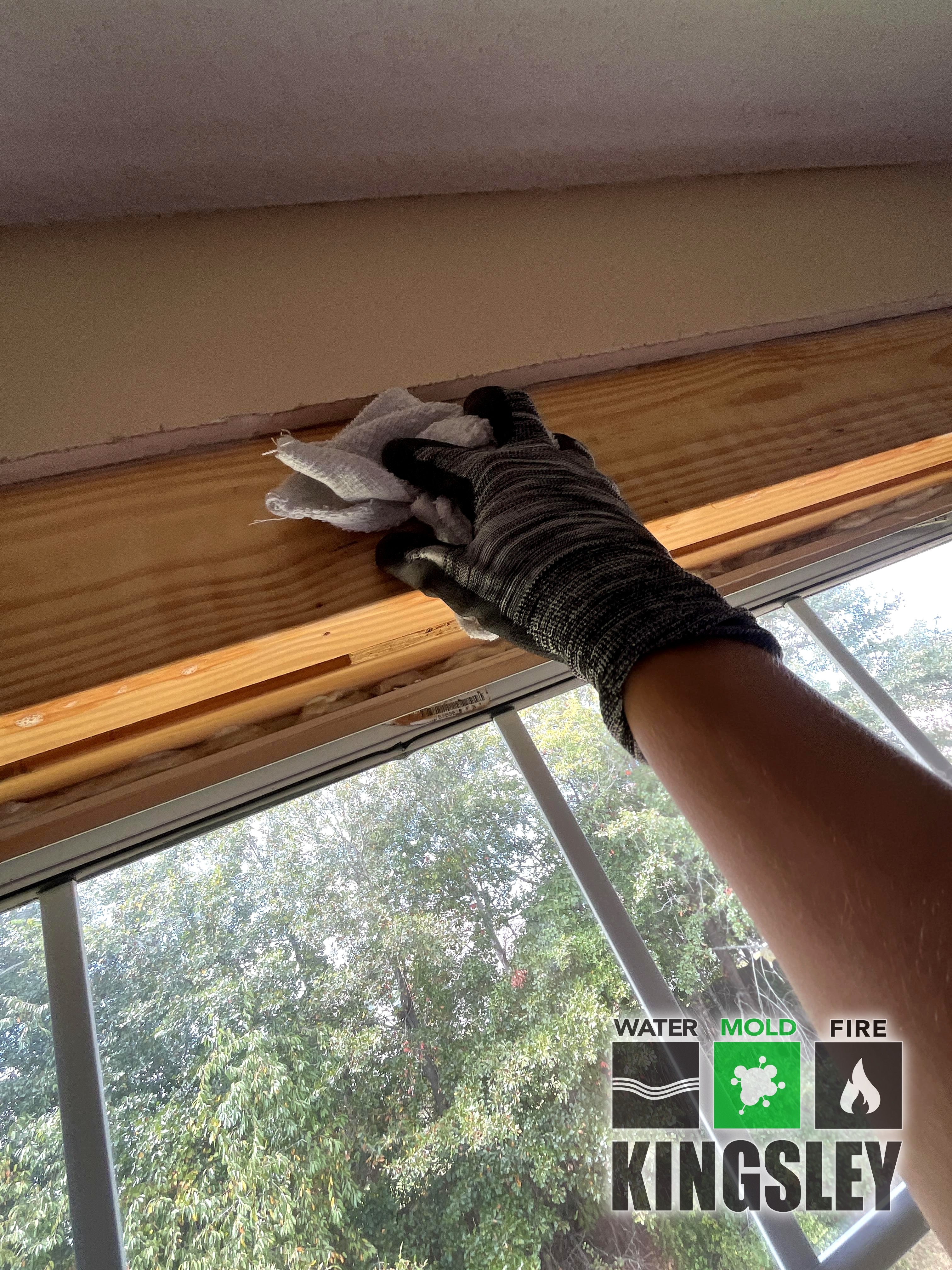
Kingsley water damage & Fire cleanup completed window frame mold cleanup and remediation in Elgin, SC. On arrival we walked the loss area and documented gloved technician cleaning window framing during mold remediation. That photo-backed condition check defined where finishes had to open, what could stay, and where drying equipment had to aim. The home needed source control, selective removal of non-salvageable wet or contaminated material, and verified drying of what remained in Elgin. We labeled the wet edge on the sketch so later visits matched day-one photos in Elgin.

During mitigation we controlled the work zone so debris and spores did not track into clean rooms. Where finishes blocked drying, we opened only the wet footprint shown by meters and the photo record. Non-salvageable saturated material was bagged and removed; salvageable framing and sheathing were cleaned and treated when microbial staining warranted it. HEPA vacuuming and careful handling limited dust from demo. The unique on-site detail that guided this Elgin file was gloved technician cleaning window framing during mold remediation. The adjuster-ready photo set stayed with the file so rebuild trades could see the same framed assembly the crew saw.

IICRC water-damage and mold-remediation practice prioritizes stop the moisture source, remove what cannot be dried in place, clean and treat remaining structures with an EPA-registered antimicrobial when staining warranted it, then dry to target with measured air movement and dehumidification. We placed air movers and dehumidifiers to match the wet assembly, aimed airflow along the wet materials in the photo, and rechecked moisture on a 3–7 day drying calendar with overnight humidity checks—never past about a week. Skipping that short monitoring window is how a straightforward wet call becomes secondary damage or a musty return odor in Elgin.

As readings stabilized within that first-week window, we demobilized equipment and left the work area ready for any needed rebuild of finishes or insulation. Photo documentation of the mitigation state stayed with the job file for the Elgin property, including the same angle that showed gloved technician cleaning window framing during mold remediation. Helpful takeaway: Musty odor that returns after a quick wipe in Elgin usually means moisture is still feeding the stain—map it before painting over it.

Homeowners comparing window frame mold cleanup and remediation options in the Elgin area should expect a written moisture map, selective removal instead of full tear-out when meters allow, and a clear end point when materials hit dry goal—not an open-ended equipment rental. Kingsley water damage & Fire cleanup follows that measured approach so rebuild decisions rest on documented conditions rather than a calendar guess.

When rebuild starts, keep the dry-standard notes handy for flooring, cabinet, or insulation trades so no one closes a cavity that still reads wet. That handoff is part of finishing window frame mold cleanup and remediation correctly in Elgin after mitigation—not a separate sales pitch.

Throughout the Elgin job we kept communication practical: what was wet, what was removed, what was drying, and when meters said the assembly met goal. That plain record is what homeowners and trades use after window frame mold cleanup and remediation—not jargon and not an invented multi-week timeline.

September 29, 2026 | Elgin, SC

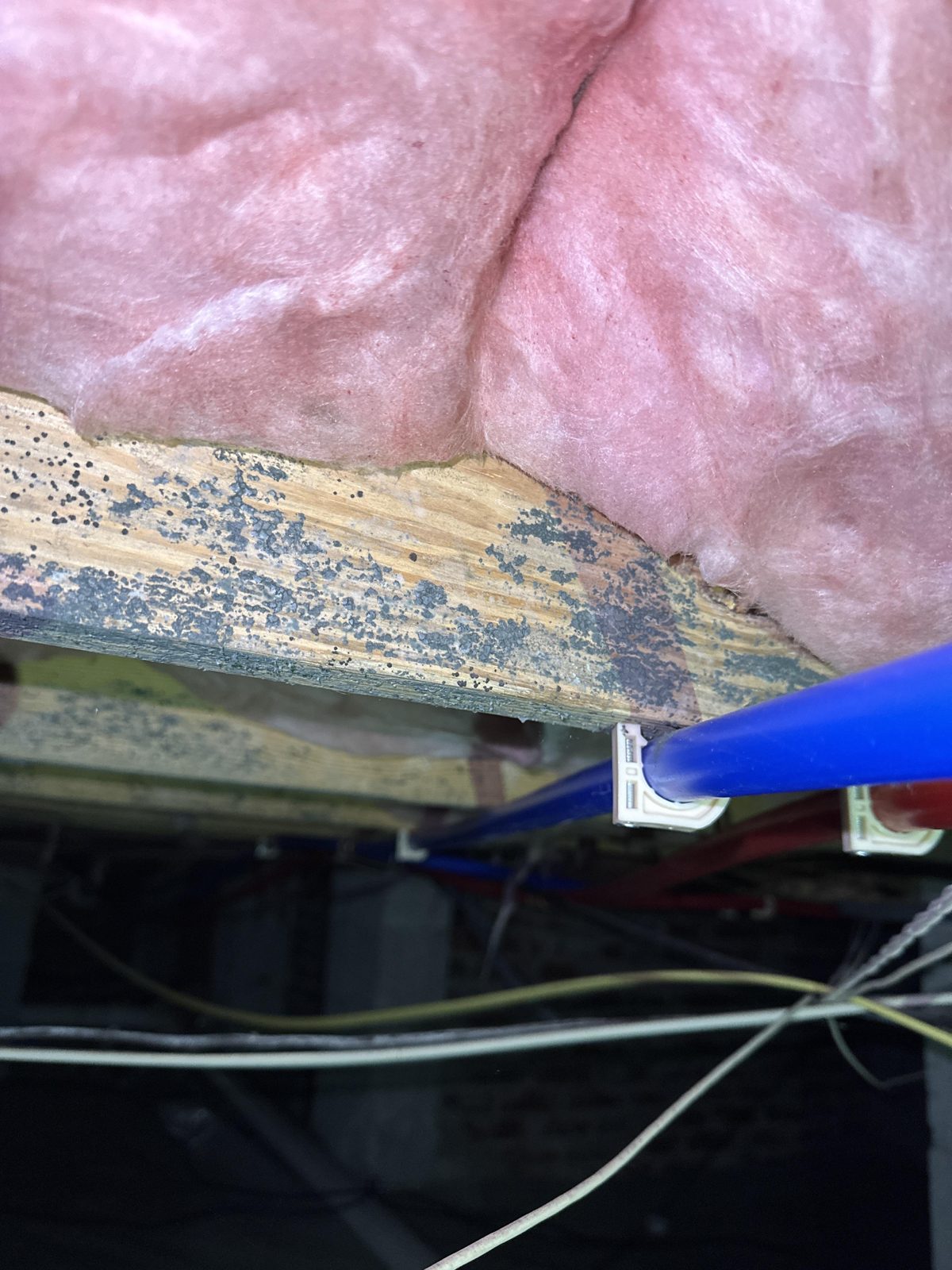
In Elgin, SC, Kingsley water damage & Fire cleanup performed crawlspace joist stain inspection and cleanup after documenting crawlspace joists with water staining during the initial condition check. That photo-backed condition check defined where finishes had to open, what could stay, and where drying equipment had to aim. The home needed source control, selective removal of non-salvageable wet or contaminated material, and verified drying of what remained in Elgin. Contents near the work path were shifted or protected before tools came out in this Elgin home.

During mitigation we controlled the work zone so debris and spores did not track into clean rooms. Where finishes blocked drying, we opened only the wet footprint shown by meters and the photo record. Non-salvageable saturated material was bagged and removed; salvageable framing and sheathing were cleaned and treated when microbial staining warranted it. HEPA vacuuming and careful handling limited dust from demo. The unique on-site detail that guided this Elgin file was crawlspace joists with water staining. We labeled the wet edge on the sketch so later visits matched day-one photos in Elgin.

IICRC water-damage and mold-remediation practice prioritizes stop the moisture source, remove what cannot be dried in place, clean and treat remaining structures with an EPA-registered antimicrobial when staining warranted it, then dry to target with measured air movement and dehumidification. We placed air movers and dehumidifiers to match the crawlspace bay, aimed airflow along the wet materials in the photo, and rechecked moisture on a 3–7 day drying calendar with overnight humidity checks—never past about a week. Skipping that short monitoring window is how a straightforward wet call becomes secondary damage or a musty return odor in Elgin.

As readings stabilized within that first-week window, we demobilized equipment and left the work area ready for any needed rebuild of finishes or insulation. Photo documentation of the mitigation state stayed with the job file for the Elgin property, including the same angle that showed crawlspace joists with water staining. Helpful takeaway: Dark staining on crawl joists in Elgin is a reason to map moisture before buttoning the bay back up with fresh vapor barrier.

Homeowners comparing crawlspace joist stain inspection and cleanup options in the Elgin area should expect a written moisture map, selective removal instead of full tear-out when meters allow, and a clear end point when materials hit dry goal—not an open-ended equipment rental. Kingsley water damage & Fire cleanup follows that measured approach so rebuild decisions rest on documented conditions rather than a calendar guess.

When rebuild starts, keep the dry-standard notes handy for flooring, cabinet, or insulation trades so no one closes a cavity that still reads wet. That handoff is part of finishing crawlspace joist stain inspection and cleanup correctly in Elgin after mitigation—not a separate sales pitch.

Throughout the Elgin job we kept communication practical: what was wet, what was removed, what was drying, and when meters said the assembly met goal. That plain record is what homeowners and trades use after crawlspace joist stain inspection and cleanup—not jargon and not an invented multi-week timeline.

September 28, 2026 | Elgin, SC

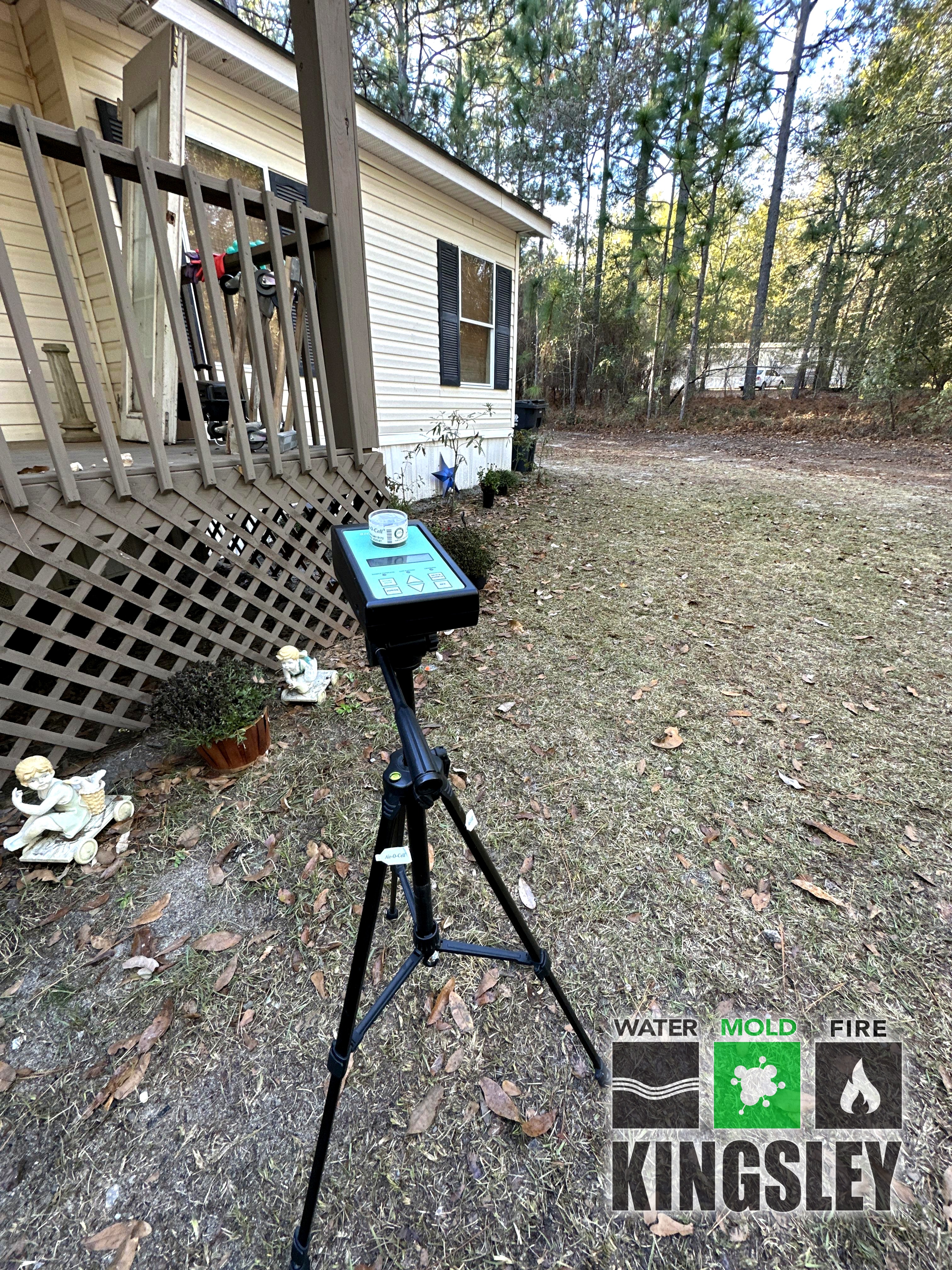
Kingsley water damage & Fire cleanup handled outdoor air sampling during mold inspection for a Elgin, SC property. The camera and meters guided scope from the start: air sampling pump on tripod with cassette outdoors. That setup—not a guess from the porch—defined where samples or meter points were pulled and what the homeowner file needed next. Outdoor control readings sat alongside indoor locations so any later remediation decision in Elgin could point back to the same photo and sample map. We labeled each draw location on the sketch so a second visit would match day-one photos.

During the visit we protected finished floors and kept equipment stable while pumps, cassettes, or meters did their timed work. We photographed labels and locations, noted nearby stain or odor clues, and avoided inventing Category or Class labels the documentation did not support. Where visible growth or water staining appeared next to the sample path, that observation stayed in the notes for the Elgin file without publishing lab numbers here. Contents near the work path were shifted or protected before tools came out.

IICRC-aligned inspection practice separates find-the-moisture-story from tear-out. If cleanup followed, it would still aim at source control, remove what cannot be saved, clean and treat remaining structures when staining warranted it, then dry to target on a 3–7 day monitoring calendar when materials were wet—never past about a week. This visit focused on documentation so any later drying window in Elgin would start from a clear map instead of an open-ended equipment guess.

We demobilized sampling or metering gear, left the property tidy aside from the documented test points, and filed photos with the job record. A short written summary of locations checked stayed with the Elgin file for the homeowner and any follow-on trade. Helpful takeaway: If indoor air feels musty or you see unexplained staining in Elgin, ask for a documented inspection with outdoor and indoor samples before anyone starts demo.

Homeowners comparing mold inspection or moisture-mapping options in the Elgin area should expect labeled sample or meter locations, outdoor controls when air is tested, and photo-backed notes—not a one-line checklist. Kingsley water damage & Fire cleanup keeps that trail so cleanup crews and rebuild trades can see what drove the recommendation without redoing the first walkthrough.

If cleanup is later approved, the same IICRC order applies: stop the source, open only the wet footprint, HEPA and clean what remains, and verify dry goals inside that first-week window. Starting from this inspection record is how Elgin homeowners avoid paying twice for the same unknowns. Throughout we kept communication practical—what was checked, what was photographed, and what still needed a meter before rebuild.

For this Elgin stop, the close-out standard stayed simple: meters at goal, photo set filed, and no equipment left running past the 3–7 day band.

For this Elgin inspection stop we also noted weather and HVAC status at the time of the draws so later readers understand why outdoor controls mattered that day. Labels on cassettes matched the photo board, and nothing in the marketing copy invents spore counts or species names that belong in the lab report only.

If remediation is approved later, the same 3–7 day drying discipline applies once materials are wet: monitor to goal, then demobilize—never an open-ended week-plus rental. Helpful takeaway: If indoor air feels musty or you see unexplained staining in Elgin, ask for a documented inspection with outdoor and indoor samples before anyone starts demo.

February 18, 2025 | Elgin, SC

Mold Clean Up in Crawlspace in Elgin.

September 08, 2026 | Columbia, SC

Kingsley water damage & Fire cleanup handled mold-related work in Columbia, SC after moisture left growth or air concerns on real building materials. Inspection comes first: attic sheathing, crawl framing, cabinet interiors, or wall cavities get a documented look so scope matches what is present. Containment goes up when demolition dust or spores could travel into clean rooms. Columbia homeowners get a plain explanation of what stays, what goes, and why—not a mystery checklist.

Mitigation steps stay in homeowner language: contain the mess, open only what inspection supports, remove what will not dry, and clean or treat what can remain. HEPA filtration supports air cleaning when dust or microbial particles are a concern. Daily updates name the rooms still wet and why machines are still on site—no unexplained jargon wall. If children or pets use the home, we talk through temporary barriers and which doors should stay closed while airflow is balanced.

Drying follows a practical IICRC-oriented order: extract, move air, dehumidify, and monitor until readings support releasing equipment. Typical occupied homes in the Midlands finish structural drying inside a 3–7 day window. Cool crawls, wall cavities, and humid stretches can need the later days; we say so before extending. We will not pack up on day two if meters still show wet materials. Mid-job visits adjust vent counts and dehumidifier settings when outdoor humidity or construction details stall progress.

Contents handling is deliberate. Wet textiles move to a drying path or pack-out decision; furniture feet get blocks on wet carpet; important documents and medications leave the wet zone in a labeled bin you keep. Electronics on wet flooring are unplugged and elevated—we do not power-test them in standing moisture. These steps sound small and prevent a second wave of damage while structural drying continues.

Close-out shows what was cleaned or removed and flags any roof, plumbing, or humidity source that still needs another trade. We do not invent square footage. For Columbia homes, fixing the water path first is the takeaway—otherwise growth conversations restart after the next humid week.

Equipment placement tries to leave bedrooms and kitchens usable when the wet map allows. Cord runs and condensate drains are planned so tanks do not overflow while you are at work. If HOA gates, narrow drives, or shared crawls affect staging in Columbia, share that on the first call so the truck arrives ready. Neighbor notices matter on duplex and townhome hatches.

Kingsley water damage & Fire cleanup uses 3031 Scotsman Rd Suite 16, Columbia, SC 29223 for Midlands paperwork and 803-590-0370 for live dispatch. You choose the contractor; preferred lists are optional. We document for carriers when you authorize it and direct-bill when the policy allows. Where detailed photo logs for this older job are thin, this page describes the standard mitigation approach for this loss type in Columbia without inventing claim numbers, meter digits, or crew names.

If rebuild trades follow mitigation, we leave surfaces accessible and share moisture notes so flooring or drywall work does not trap leftover dampness. That handoff is part of finishing strong in the Midlands humidity cycle.

August 31, 2026 | Dentsville, SC

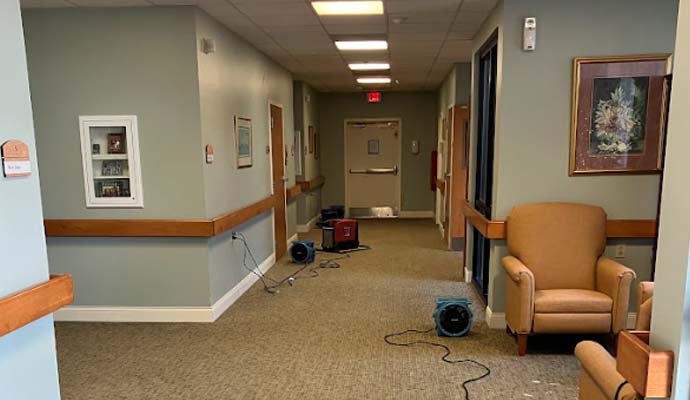
Kingsley water damage & Fire cleanup completed hallway carpet water extraction cleanup in Dentsville, SC. On arrival we walked the loss area and documented hallway Carpet Water Extraction Cleanup. That photo-backed condition check defined where finishes had to open, what could stay, and where drying equipment had to aim. The home needed source control, selective removal of non-salvageable wet or contaminated material, and verified drying of what remained in Dentsville. We labeled the wet edge on the sketch so later visits matched day-one photos.

During mitigation we controlled the work zone so debris did not track into clean rooms. Where finishes blocked drying, we opened only the wet footprint shown by meters and the photo record. Non-salvageable saturated material was bagged and removed; salvageable framing and sheathing were cleaned. HEPA vacuuming and careful handling limited dust from demo. The unique on-site detail that guided this Dentsville file was hallway Carpet Water Extraction Cleanup. Contents near the work path were shifted or protected before tools came out.

IICRC water-damage practice prioritizes stop the moisture source, remove what cannot be dried in place, clean remaining structures, then dry to target with measured air movement and dehumidification. We placed air movers and dehumidifiers to match the wet assembly, aimed airflow along the wet materials in the photo, and rechecked moisture on a 3–7 day drying calendar with overnight humidity checks—never past about a week. Quiet work windows were held where the household schedule required it, without stretching past that first-week ceiling. Skipping that short monitoring window is how a straightforward wet call becomes secondary damage or a musty return odor in Dentsville.

As readings stabilized within that first-week window, we demobilized equipment and left the work area ready for any needed rebuild of finishes or insulation. Photo documentation of the mitigation state stayed with the job file for the Dentsville property, including the same angle that showed hallway Carpet Water Extraction Cleanup. Helpful takeaway: If flooring feels soft, edges cup, or a stain keeps spreading in Dentsville, stop walking the wet zone and request moisture mapping before new finishes go down.

Homeowners comparing hallway carpet water extraction cleanup options in the Dentsville area should expect a written moisture map, selective removal instead of full tear-out when meters allow, and a clear end point when materials hit dry goal—not an open-ended equipment rental. Kingsley water damage & Fire cleanup follows that measured approach so rebuild decisions rest on documented conditions rather than a calendar guess.

When rebuild starts, keep the dry-standard notes handy for flooring, cabinet, or insulation trades so no one closes a cavity that still reads wet. That handoff is part of finishing hallway carpet water extraction cleanup correctly in Dentsville after mitigation. Throughout the job we kept communication practical: what was wet, what was removed, what was drying, and when meters said the assembly met goal—without inventing a multi-week timeline.

For this Dentsville stop, the close-out standard stayed simple: meters at goal, photo set filed, and no equipment left running past the 3–7 day band.

August 30, 2026 | Dentsville, SC

Kingsley water damage & Fire cleanup handled moisture mapping, localized remediation, and verified drying over a 3–7 day window in Dentsville, SC.