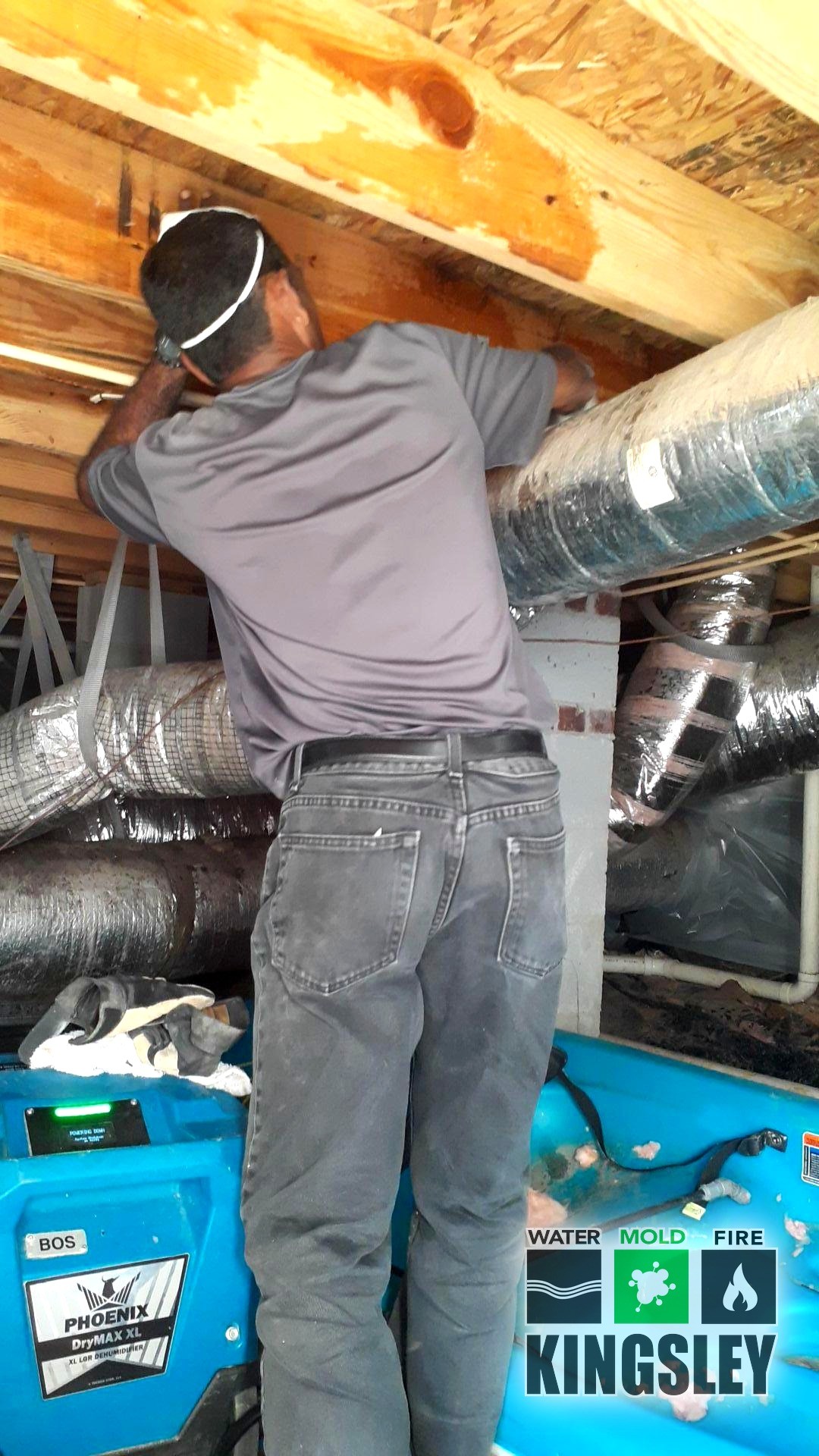
BEST Water & Fire Damage Restoration in West Columbia, SC

West Columbia Property Owners: Here Is What You Get When You Call Kingsley

  • A Live Person Picks Up Day or Night, Holidays Included
  • Claim-Ready Photos and Moisture Logs for Your Insurer
  • When the Claim Allows, We Bill the Carrier Directly
  • You Choose the Crew. No Network Desk Picks for You
  • 440+ Google Reviews, Rated 5 Stars
803-590-0370
Water damaged wooden floor restoration service

If You're Dealing With Water Damage in West Columbia, Do This Right Now

Water keeps moving into subfloors and wall cavities while you wait, so the first hour counts. Kingsley Water Damage & Fire Cleanup answers around the clock and can talk you through it on the phone before a crew even rolls.

  1. Close the nearest shutoff, or the main valve at the street if you can't find it
  2. Kill power at the breaker for any wet room, but only if you can reach the panel without standing in water
  3. Get rugs, electronics, papers and photos up off the floor and into a dry room
  4. Keep pets and kids out of the wet area and stay off soaked floors
  5. Snap a few photos, then call us at 803-590-0370

Box fans and open windows feel productive, but they mostly move damp air around. Moisture trapped under vinyl plank, inside drywall or in a crawlspace needs meters and real dehumidification to come out.

Not sure if you need a plumber, a claim or a drying crew first? Call us anyway. A short conversation usually sorts that out, and you stay free to choose who works on your home.

803-590-0370
Water damage restoration service with airmover system

Round-the-Clock Emergency Water Cleanup for West Columbia

Pipes don't burst on a schedule. A supply line can let go at 2 a.m. on a Sunday, and a water heater can fail the morning before a holiday. When you call 803-590-0370, a real person picks up at any hour and gets a crew moving toward your street, whether that's off Sunset Boulevard, near the riverfront or out toward Springdale.

On arrival we stop the source if it's still running, get the standing water out, take moisture readings room by room and photograph everything for your insurer. Equipment goes up the same visit, and we treat wet framing with antimicrobial where it's needed so mold has nothing to start on.

Every hour you shave off the wait is drywall, flooring and cabinets you may get to keep.

How Quickly Water Damage Gets Worse in a West Columbia Home

Living this close to the Congaree means the air is already damp for much of the year, so wet materials here don't dry out on their own the way they might somewhere drier. That's why the clock matters so much.

First hour

Water runs under baseboards, soaks carpet pad and finds its way into the subfloor or down to the slab.

Same day

Drywall softens at the bottom edge, laminate and vinyl plank start to lift, and a musty smell shows up.

One to two days

Mold can take hold on damp drywall paper, wood and insulation, especially in a closed-up crawlspace.

Beyond that

Subfloors, joists and cabinet bases can weaken, and the repair turns into replacement.

Calling early keeps the job smaller, the claim simpler and more of your home in place.

A Science-Based, 5-Step Drying Plan for West Columbia Homes

Nothing on a West Columbia job runs on a hunch. Meter readings decide where we open up, where the equipment goes and when it comes back out.

Step 1
Find Every Wet Spot

Moisture meters and a thermal camera trace water behind baseboards, under flooring and up into wall cavities, then we sketch the wet edge.

Step 2
Pull Out Standing Water

Our extraction equipment gets puddles and soaked carpet out before more water wicks into the structure.

Step 3
Set Up Targeted Drying

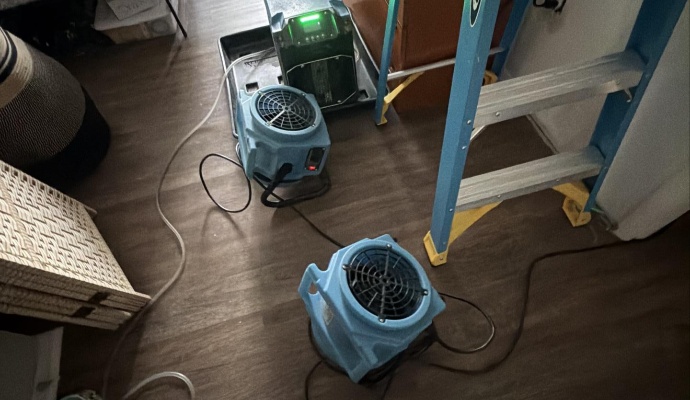
Air movers and dehumidifiers are sized to the room and aimed at the wet materials we mapped, not dropped in a corner.

Step 4
Check Readings Every Visit

We come back, re-meter the same spots and move or pull equipment as the numbers drop. Most homes reach dry goal in 3 to 7 days.

Step 5
Treat and Hand Off

Where needed we apply antimicrobial, then give you the photo log and final readings for your adjuster and any rebuild trades.

We open only what the meters say is wet, and we stop when the readings say the job is done.

Why West Columbia Homeowners Call Kingsley

Readings, not guesses. Decisions about what to remove and when to stop drying come from meter numbers you can see in your file.

Fluent in insurance. We talk to adjusters every week and know what documentation they look for, so your claim isn't held up waiting on paperwork.

You hear from us. You'll know what's wet, what we pulled out, what's drying and when the equipment is coming back out.

A proven 5-step process. The same five steps on every job, from mapping the moisture to handing you the final readings, so results don't depend on who shows up.

In short, you get a crew that understands the drying and the claim, not just someone with fans.

Insurance, Billing and Your Right to Pick the Crew in West Columbia

We work with the major carriers every week, State Farm, Allstate, USAA, Nationwide and Travelers among them. On many claims you can call us before you call your insurer, and that call doesn't commit you to anything.

Why there's no flat price on day one:
  • Plaster, hardwood and vinyl plank each dry at a different pace
  • Opening one wall can reveal water that wasn't visible from the room
  • The scope follows the meter readings, so it's set as the job goes

Mitigation is done under a standard work authorization, which is how adjusters expect it to be billed.

What lands in your claim file:
  • Dated photos of every affected room
  • Daily moisture readings and a drying log
  • Direct updates to your adjuster
  • An estimate written to industry pricing standards

A preferred-vendor list from your carrier is usually a suggestion, not a requirement. Your policy language decides, and we'll help you read it.

Kingsley Water Damage & Fire Cleanup service team with service vehicle

Fire, Smoke and Mold Cleanup in West Columbia

A small kitchen or electrical fire can still push soot into ductwork, closets and the crawlspace. The water used to put it out then needs the same measured drying as a pipe leak, or it turns into a second problem.

Being this close to the Congaree River keeps summer humidity high, and damp air rewards any dry-out that stops early. We clean smoke residue, deodorize, and keep metering until the materials are truly dry, so mold doesn't get a foothold later.

Already seeing spots in a bathroom vanity, under a sink or around a window frame? Learn more about mold remediation and fire damage cleanup, or call and we'll come take a look.
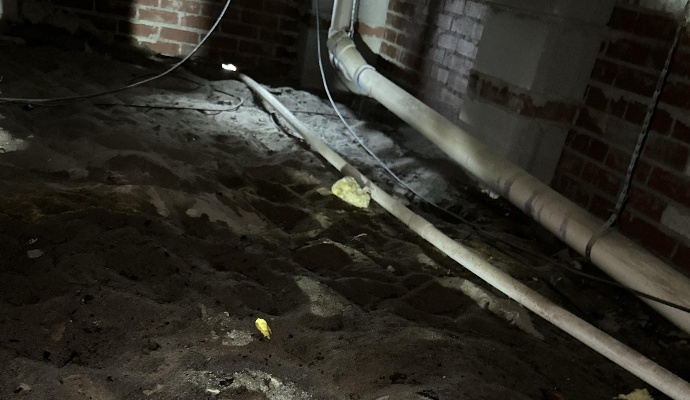
Water damaged muddy crawlspace

Water Damage We See Most in West Columbia

Most of our West Columbia calls start with plumbing. A split supply line under a sink, a washing machine hose that finally gave out, or a water heater that rusted through can soak a kitchen, laundry room or hallway before anyone notices.

Bathrooms are the next big source: toilets that overflow, tubs left running and slow leaks behind a vanity that only show up once the cabinet floor goes soft. Sewage backups need extra care because that water isn't clean.

Weather plays a part too. Heavy summer storms can drive rain through roofs and around windows, and wet crawlspaces are common here given the humidity. Freezing snaps are rare in the Midlands, but when one hits, unprotected pipes can burst.

Wherever it came from, the fix follows the same path: get the water out quickly, dry what can be saved and keep it from coming back as mold.
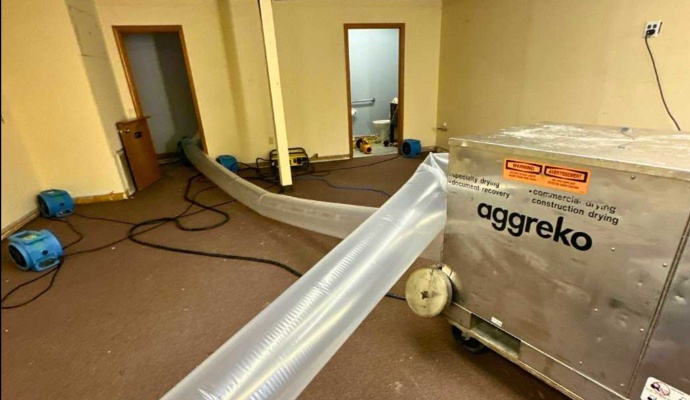
Large dehumidifiers system with plastic ducting and multiple air movers working to dry pooled water on carpeted floor

Commercial Water and Fire Cleanup for West Columbia Businesses

For a shop on Meeting Street, an office along Sunset Boulevard or a business near the Airport Boulevard corridor, a flooded floor means lost days, not just lost carpet. We work around your hours where we can, section off the wet area and keep the rest of the building usable.

We help offices, retail stores, medical and dental practices, apartment and condo buildings, churches and schools. One recent West Columbia request came from a dental office whose plumber told them to get the moisture dried out after a leak in their sterilization room.

You get the same thing a homeowner gets: daily readings, photos and a clear finish line, so you can reopen and file your claim with confidence.

West Columbia Water and Fire Damage FAQs

How soon can someone get to my house in West Columbia?
A real person answers 24/7, and we send a crew from our Midlands shop as quickly as we can. West Columbia is part of our everyday service area.

How long will the drying take?
Most residential water losses here reach dry goal in about 3 to 7 days. Tight crawlspaces or shared walls can push it toward the long end, but it shouldn't be an open-ended rental.

Do I have to call my insurance company first?
No. You can call us first to stop the damage and get advice. We'll document everything your carrier will ask for.

My insurer gave me a list of contractors. Do I have to use one of them?
Rarely. In most policies the choice is still yours. We build a claim-ready file either way.

Do you handle smoke and soot, not just water?
Yes. We clean soot, treat odor, clean soft goods and dry out water from firefighting, all under one plan.

What should I do before you arrive?
Shut the water off if it's safe, move pets out of wet rooms and leave the HVAC off if the returns or ducts got wet.

West Columbia Neighborhoods We Serve

Our crews run calls all over West Columbia every week, including:

Meeting Street and the riverfront, Sunset Boulevard, the Airport Boulevard corridor, Brookland, Springdale, and the streets along the Cayce line.

What Recent Customers Said

Rated 5 stars across 440+ Google reviews. Here are a few recent ones.

Kevin L.

| West Columbia, SC

Kingsley did an excellent job cleaning up our water damage. Everyone was professional and polite.
Tim T.

| West Columbia, SC

Jo Jo and Teddy were very professional and respectful during this very difficult situation due to the smoke damage in my home. They cleaned it up and giving the information to my insurance company to make this as smooth as possible given the event that happened.
CuracaoGolfer

| West Columbia, SC

Angel and Dante were awesome! We had a toilet flood our home late on a Sunday. They arrived within the hour and started the remediation process. With frequent check-ins and equipment adjustments, our home was ready for repair in no time. I cannot recommend Kingsley and their team of professionals!

Recent Jobs in West Columbia

| West Columbia, SC

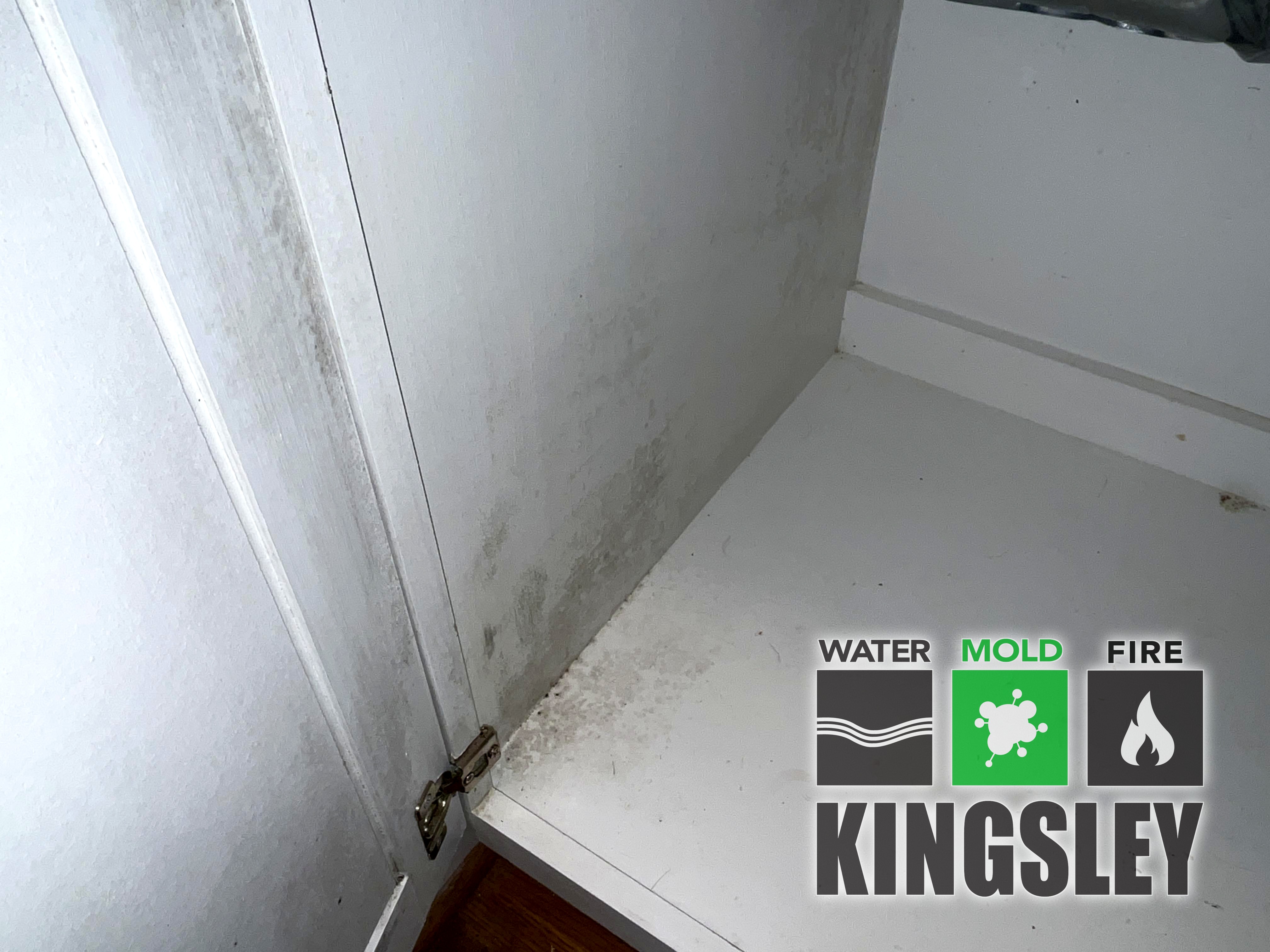
Mold had grown in the corner of a bathroom vanity. We found the moisture source, removed only the damaged material and dried the rest to target.

| West Columbia, SC

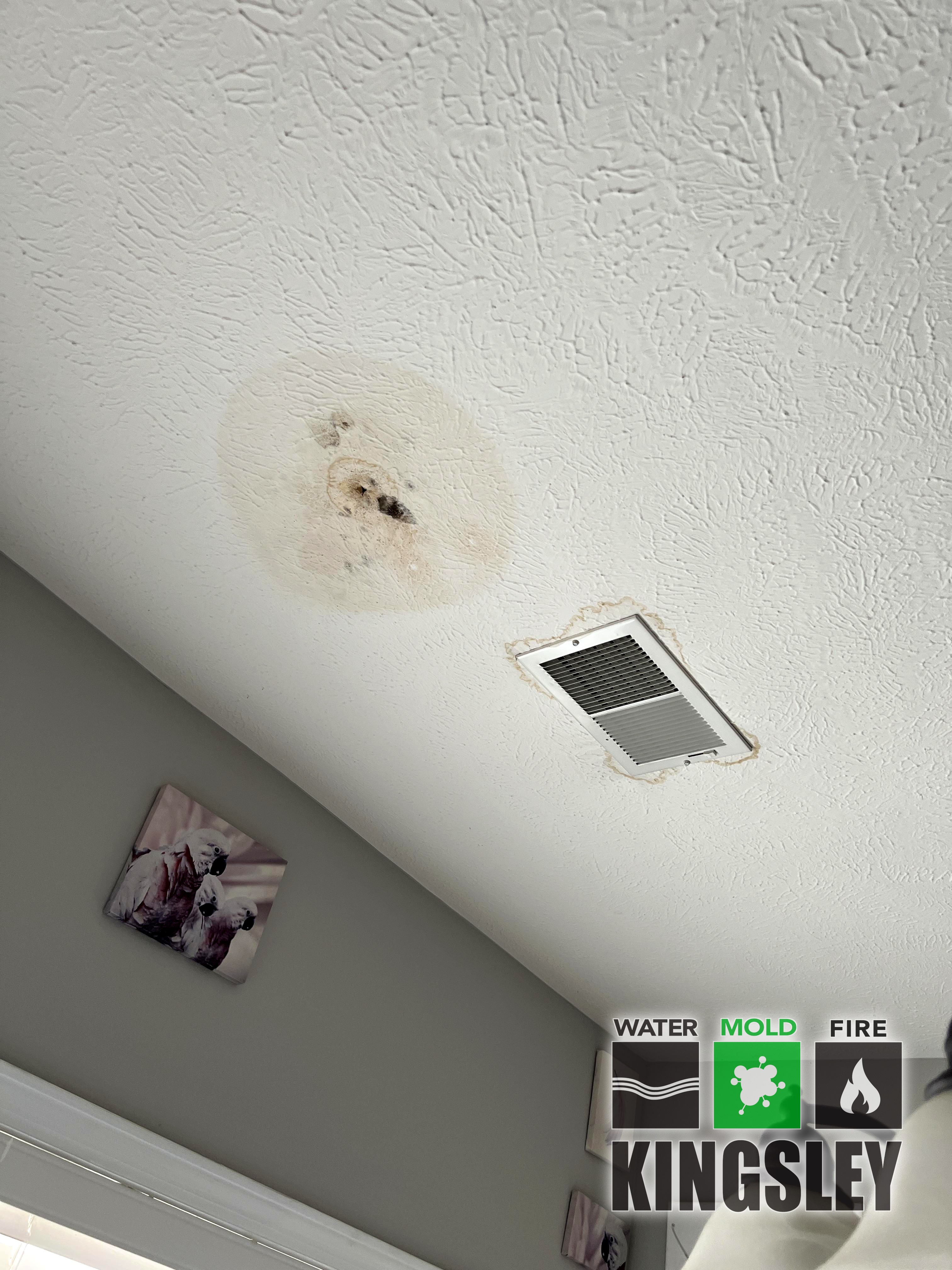
A water stain beside a ceiling vent. We mapped how far the moisture had spread so only the wet section was opened and dried.

| West Columbia, SC

A slow drip at the P-trap fed mold inside the sink cabinet. We cleaned and treated the cabinet and confirmed it was dry before handing it back.

Real Client Needs in West Columbia

What people in and around West Columbia asked us for, in their own words.

Eugene W.

| West Columbia, SC

Insurance Claim Help for Water Damage

Eugene had already talked with us about water damage in his home, then called his insurance company to open a claim. He called back wanting to know what the next step would be now that the insurer was involved.

How we help: Once a claim is open, we schedule the inspection, document the damage with photos and moisture readings, and share that file with the adjuster so mitigation can start. If you've just reported water damage in West Columbia, call us and we'll walk you through what your insurer will need.

Daniel

| West Columbia, SC

Water Damage Quote and Inspection

Daniel's house had water damage and he wanted a quote to have it dried out and repaired. Like many homeowners, he first needed to know how far the water had spread and what it would take to fix.

How we help: A water damage quote starts with an on-site inspection. We find the source, use moisture meters to map every wet area, including behind walls and under flooring, and then explain the drying plan and whether it's likely to be an insurance claim. Call 803-590-0370 to set up a visit in West Columbia.

John C.

| West Columbia, SC

Mold Inspection and Water Damage Estimate for a Condo

John is renting a condo that he's thinking about buying, and it has water damage. A mold test had already come back within normal range, so he wanted an inspection and a rough repair estimate before deciding.

How we help: For a condo or home you're about to buy, we inspect the water-damaged areas, check moisture levels in floors, walls and cabinets, and lay out what needs drying or replacing so you can plan repairs before closing. A normal mold test is good news, but trapped moisture can still cause trouble later.

Water or Smoke in Your West Columbia Home Right Now?

Call any hour. You'll get a real person, straight answers and a crew on the way.

803-590-0370
Our customers love us!

See All 439 Reviews
Customer Reviews from West Columbia and Surrounding Areas ( 5
from 12 reviews )

Happy Customers across West Columbia and Surrounding Areas

Completed Jobs from West Columbia and Surrounding Areas

See All

October 26, 2026 | West Columbia, SC

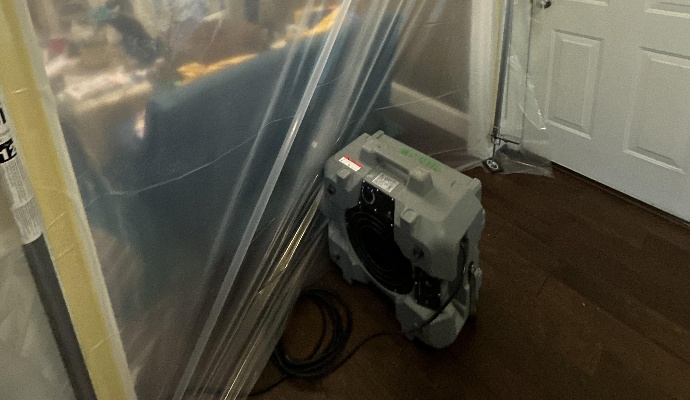
Our technician started in the bathroom, where moisture readings around the tub came back dry, so there was no active leak feeding the growth. The plan there was to build containment at the bathroom doorway with a zippered entry and two support poles, put the room under negative pressure with an air scrubber, cut out a section of drywall about 4 feet wide by 3 feet tall next to the tub, then HEPA vacuum, treat and wipe down every affected surface.

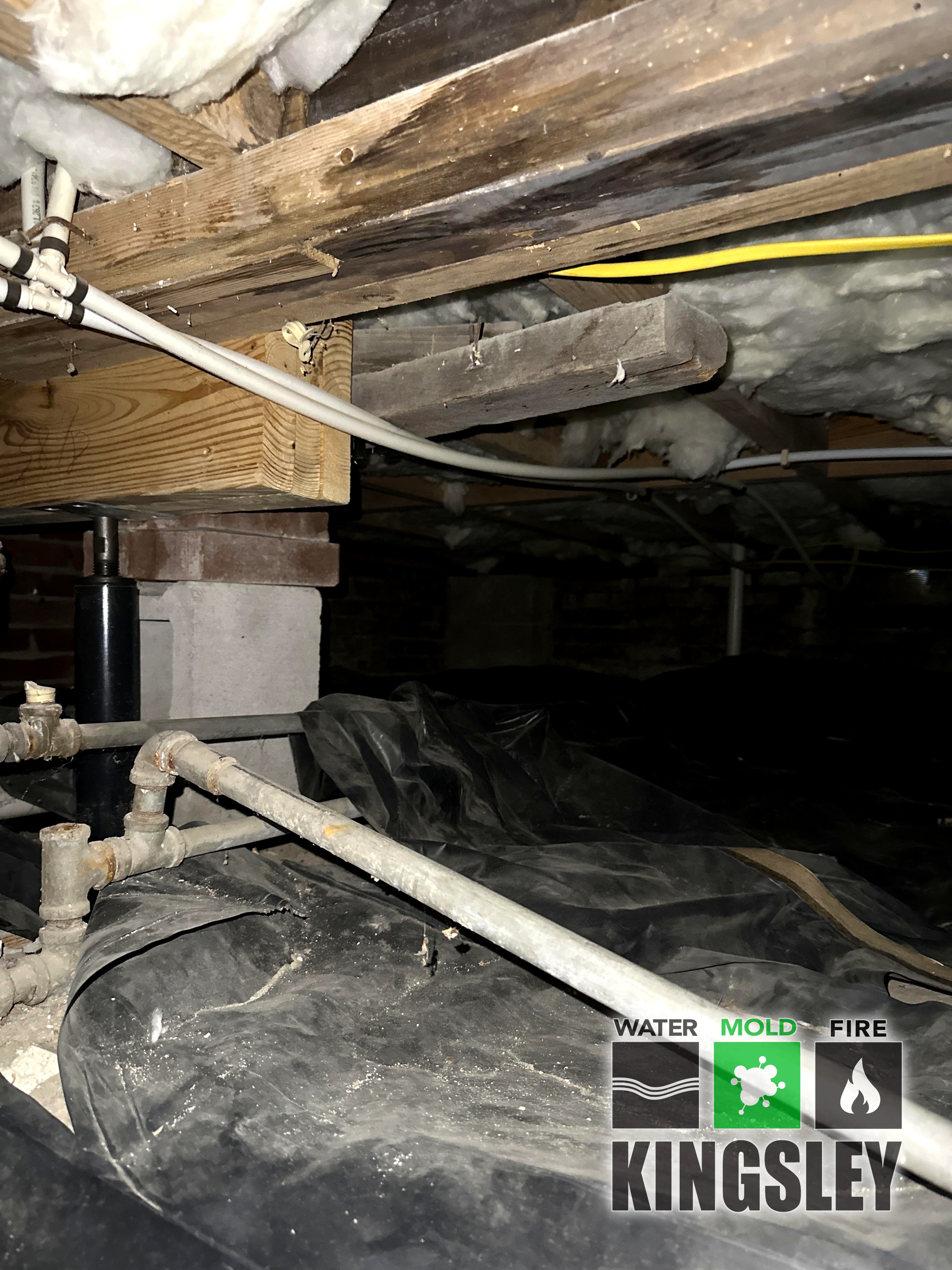
The photo shows what the inspection found in the crawl space: older lumber from a past termite repair that had been left in place with new framing added beside it, insulation tucked between the joists and a worn plastic barrier over the soil. Behind the newer insulation, growth was on the subfloor and on the insulation's paper backing across an area of roughly 25 by 40 feet. The crawl space scope was to place it under negative pressure, remove and dispose of all the insulation and the old barrier, HEPA vacuum, treat and wipe down the joists and subfloor, prime and seal the wood, and then lay and pin down a new moisture barrier.

Homeowner takeaway: new insulation can hide old problems, so if wood under your home was repaired instead of replaced, ask to have the subfloor behind the insulation checked for growth. If you have mold or moisture concerns in your West Columbia home or crawl space, call Kingsley water damage & Fire cleanup at 803-219-8873. Our team is available 24/7 for mold remediation and water damage service.

October 14, 2026 | West Columbia, SC

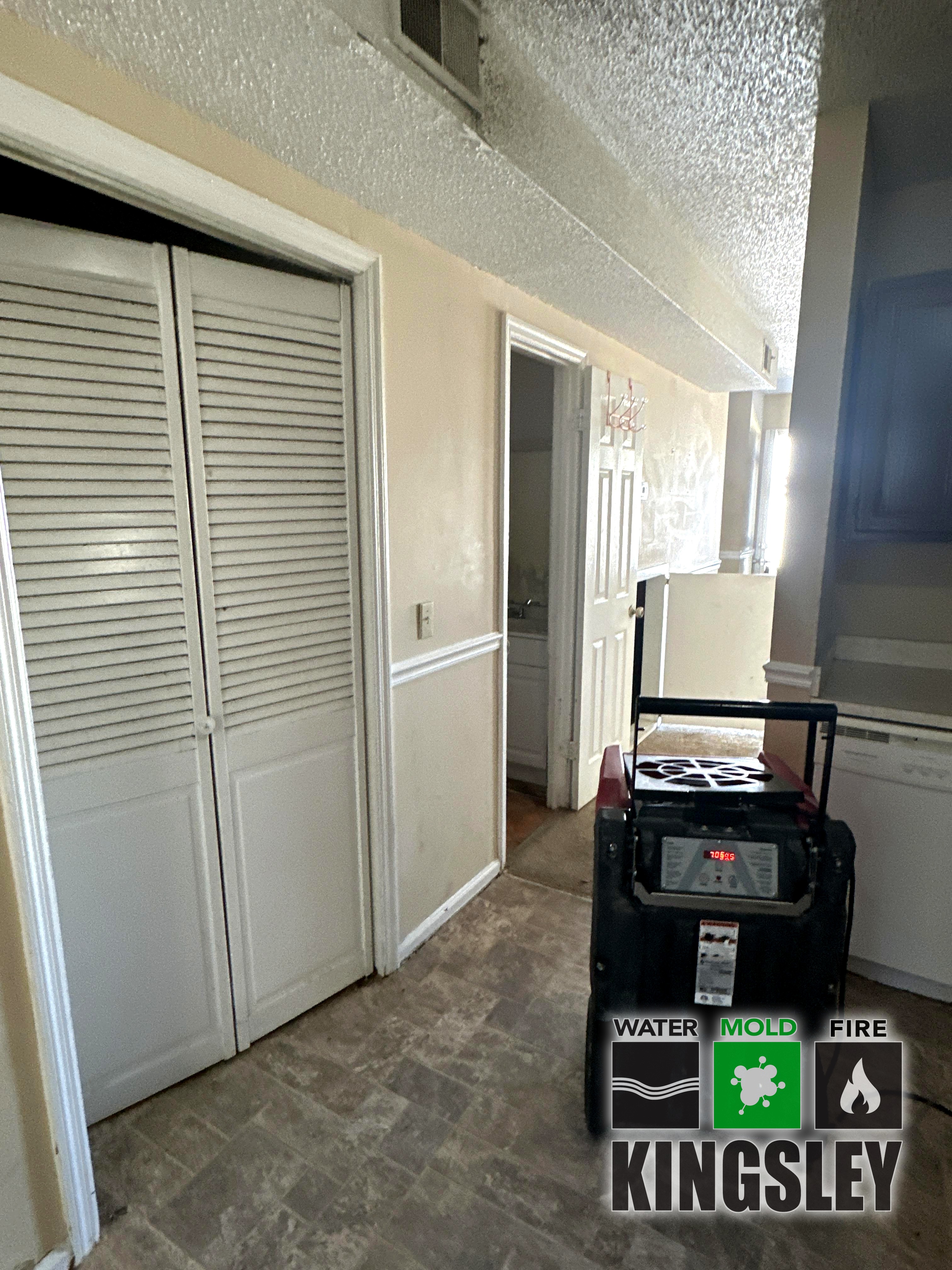
Kingsley water damage & Fire cleanup started with a moisture survey of both units. The crew checked the air with a thermo-hygrometer and took meter readings along the baseboards, the lower drywall and the floor in the kitchen, hallway, closets and bathrooms, then compared them with readings from dry areas of the same building to map exactly where the water had traveled.

Loose vinyl tiles were lifted and the water-stained baseboard along the utility closet wall was pulled so the floor underneath and the bottom of the wall could dry instead of trapping moisture. A commercial dehumidifier was set up in the kitchen hallway right outside the utility closet, and the crew returned to log readings in each room until the floor and walls matched the dry standard, at which point the equipment was removed and the units were ready for repairs.

Property owner takeaway: a water heater or washer connection in a small utility closet can leak for a while before anyone notices, so put a drain pan under the water heater and have the valves and hoses checked once a year. If you have water damage in your West Columbia home or rental property, call Kingsley water damage & Fire cleanup at 803-219-8873. Our team is available 24/7 for emergency water damage service.

September 26, 2026 | West Columbia, SC

In West Columbia, SC, Kingsley water damage & Fire cleanup performed vanity cabinet mold remediation after documenting mold growth inside vanity cabinet corner during remediation during the initial condition check. That photo-backed condition check defined where finishes had to open, what could stay, and where drying equipment had to aim. The home needed source control, selective removal of non-salvageable wet or contaminated material, and verified drying of what remained in West Columbia. Quiet work windows were held where the household schedule required it, without stretching the drying calendar past about a week.

During mitigation we controlled the work zone so debris and spores did not track into clean rooms. Where finishes blocked drying, we opened only the wet footprint shown by meters and the photo record. Non-salvageable saturated material was bagged and removed; salvageable framing and sheathing were cleaned and treated when microbial staining warranted it. HEPA vacuuming and careful handling limited dust from demo. The unique on-site detail that guided this West Columbia file was mold growth inside vanity cabinet corner during remediation. We avoided opening dry cavities that meters and the camera did not support on this West Columbia stop.

IICRC water-damage and mold-remediation practice prioritizes stop the moisture source, remove what cannot be dried in place, clean and treat remaining structures with an EPA-registered antimicrobial when staining warranted it, then dry to target with measured air movement and dehumidification. We placed air movers and dehumidifiers to match the wet assembly, aimed airflow along the wet materials in the photo, and rechecked moisture on a 3–7 day drying calendar with overnight humidity checks—never past about a week. Skipping that short monitoring window is how a straightforward wet call becomes secondary damage or a musty return odor in West Columbia.

As readings stabilized within that first-week window, we demobilized equipment and left the work area ready for any needed rebuild of finishes or insulation. Photo documentation of the mitigation state stayed with the job file for the West Columbia property, including the same angle that showed mold growth inside vanity cabinet corner during remediation. Helpful takeaway: If you see spotting on cabinets, vents, or window sills in West Columbia, have the moisture source checked before finishes hide the growth path.

Homeowners comparing vanity cabinet mold remediation options in the West Columbia area should expect a written moisture map, selective removal instead of full tear-out when meters allow, and a clear end point when materials hit dry goal—not an open-ended equipment rental. Kingsley water damage & Fire cleanup follows that measured approach so rebuild decisions rest on documented conditions rather than a calendar guess.

When rebuild starts, keep the dry-standard notes handy for flooring, cabinet, or insulation trades so no one closes a cavity that still reads wet. That handoff is part of finishing vanity cabinet mold remediation correctly in West Columbia after mitigation—not a separate sales pitch.

Throughout the West Columbia job we kept communication practical: what was wet, what was removed, what was drying, and when meters said the assembly met goal. That plain record is what homeowners and trades use after vanity cabinet mold remediation—not jargon and not an invented multi-week timeline.

September 25, 2026 | West Columbia, SC

Kingsley water damage & Fire cleanup responded for ceiling moisture mapping near hvac vent in West Columbia, SC and began with a photo-backed survey that captured ceiling water stain near HVAC vent during moisture mapping. That photo-backed condition check defined where finishes had to open, what could stay, and where drying equipment had to aim. The home needed source control, selective removal of non-salvageable wet or contaminated material, and verified drying of what remained in West Columbia. We labeled the wet edge on the sketch so later visits matched day-one photos in West Columbia.

During mitigation we controlled the work zone so debris did not track into clean rooms. Where finishes blocked drying, we opened only the wet footprint shown by meters and the photo record. Non-salvageable saturated material was bagged and removed; salvageable framing and sheathing were cleaned. HEPA vacuuming and careful handling limited dust from demo. The unique on-site detail that guided this West Columbia file was ceiling water stain near HVAC vent during moisture mapping. Contents near the work path were shifted or protected before tools came out in this West Columbia home.

IICRC water-damage practice prioritizes stop the moisture source, remove what cannot be dried in place, clean remaining structures, then dry to target with measured air movement and dehumidification. We placed air movers and dehumidifiers to match the wet assembly, aimed airflow along the wet materials in the photo, and rechecked moisture on a 3–7 day drying calendar with overnight humidity checks—never past about a week. Skipping that short monitoring window is how a straightforward wet call becomes secondary damage or a musty return odor in West Columbia.

As readings stabilized within that first-week window, we demobilized equipment and left the work area ready for any needed rebuild of finishes or insulation. Photo documentation of the mitigation state stayed with the job file for the West Columbia property, including the same angle that showed ceiling water stain near HVAC vent during moisture mapping. Helpful takeaway: A leak that looks dry after towels in West Columbia can still leave wet underlayment—meter the assembly before rebuild.

Homeowners comparing ceiling moisture mapping near hvac vent options in the West Columbia area should expect a written moisture map, selective removal instead of full tear-out when meters allow, and a clear end point when materials hit dry goal—not an open-ended equipment rental. Kingsley water damage & Fire cleanup follows that measured approach so rebuild decisions rest on documented conditions rather than a calendar guess.

When rebuild starts, keep the dry-standard notes handy for flooring, cabinet, or insulation trades so no one closes a cavity that still reads wet. That handoff is part of finishing ceiling moisture mapping near hvac vent correctly in West Columbia after mitigation—not a separate sales pitch.

Throughout the West Columbia job we kept communication practical: what was wet, what was removed, what was drying, and when meters said the assembly met goal. That plain record is what homeowners and trades use after ceiling moisture mapping near hvac vent—not jargon and not an invented multi-week timeline.

September 23, 2026 | West Columbia, SC

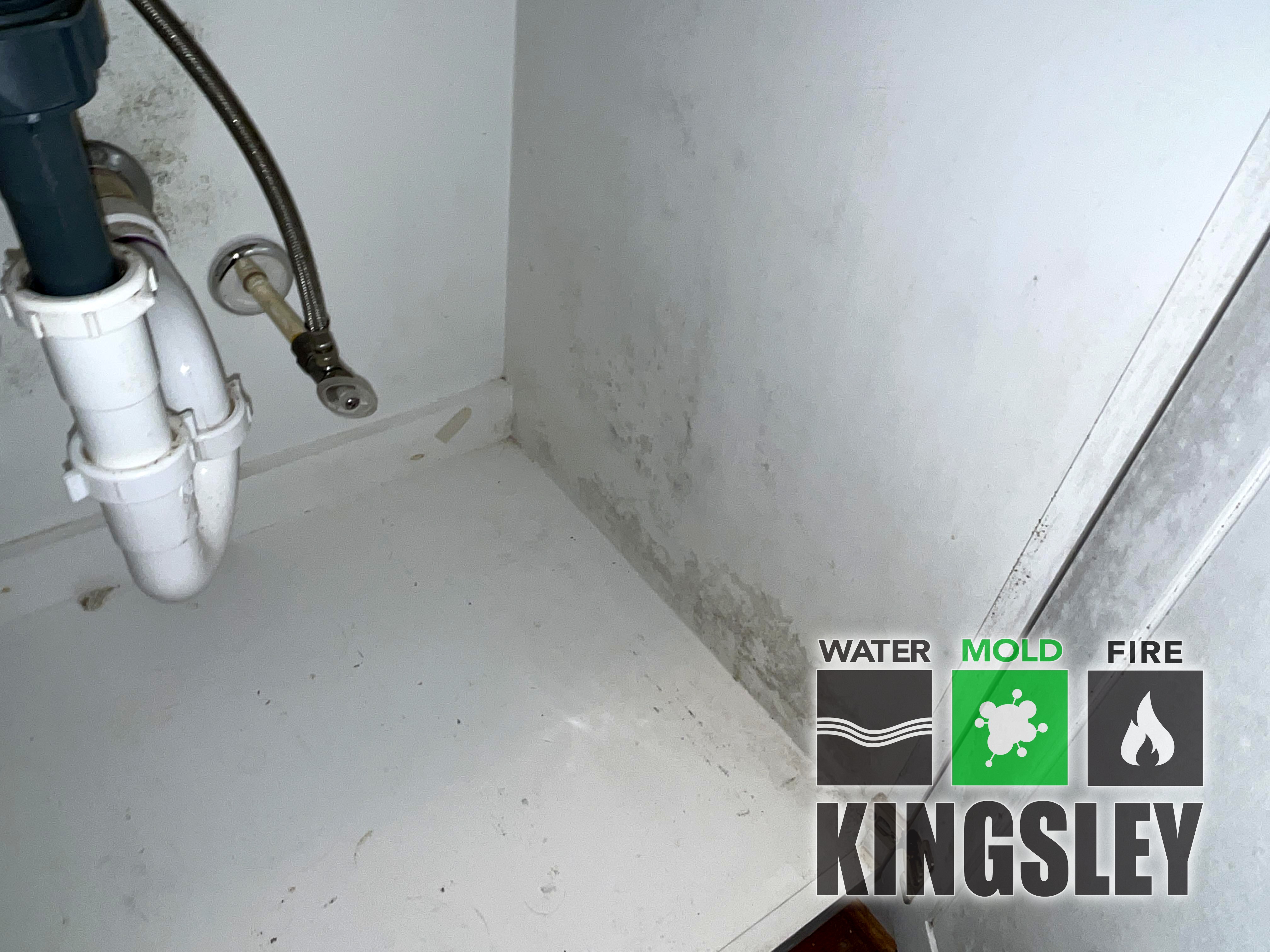
Kingsley water damage & Fire cleanup handled under-sink mold cleanup at p-trap for a West Columbia, SC property. The camera and meters guided scope from the start: under-sink mold behind plumbing P-trap during cleanup. That photo-backed condition check defined where finishes had to open, what could stay, and where drying equipment had to aim. The home needed source control, selective removal of non-salvageable wet or contaminated material, and verified drying of what remained in West Columbia. We avoided opening dry cavities that meters and the camera did not support on this West Columbia stop.

During mitigation we controlled the work zone so debris and spores did not track into clean rooms. Where finishes blocked drying, we opened only the wet footprint shown by meters and the photo record. Non-salvageable saturated material was bagged and removed; salvageable framing and sheathing were cleaned and treated when microbial staining warranted it. HEPA vacuuming and careful handling limited dust from demo. The unique on-site detail that guided this West Columbia file was under-sink mold behind plumbing P-trap during cleanup. We labeled the wet edge on the sketch so later visits matched day-one photos in West Columbia.

IICRC water-damage and mold-remediation practice prioritizes stop the moisture source, remove what cannot be dried in place, clean and treat remaining structures with an EPA-registered antimicrobial when staining warranted it, then dry to target with measured air movement and dehumidification. We placed air movers and dehumidifiers to match the wet assembly, aimed airflow along the wet materials in the photo, and rechecked moisture on a 3–7 day drying calendar with overnight humidity checks—never past about a week. Skipping that short monitoring window is how a straightforward wet call becomes secondary damage or a musty return odor in West Columbia.

As readings stabilized within that first-week window, we demobilized equipment and left the work area ready for any needed rebuild of finishes or insulation. Photo documentation of the mitigation state stayed with the job file for the West Columbia property, including the same angle that showed under-sink mold behind plumbing P-trap during cleanup. Helpful takeaway: Musty odor that returns after a quick wipe in West Columbia usually means moisture is still feeding the stain—map it before painting over it.

Homeowners comparing under-sink mold cleanup at p-trap options in the West Columbia area should expect a written moisture map, selective removal instead of full tear-out when meters allow, and a clear end point when materials hit dry goal—not an open-ended equipment rental. Kingsley water damage & Fire cleanup follows that measured approach so rebuild decisions rest on documented conditions rather than a calendar guess.

When rebuild starts, keep the dry-standard notes handy for flooring, cabinet, or insulation trades so no one closes a cavity that still reads wet. That handoff is part of finishing under-sink mold cleanup at p-trap correctly in West Columbia after mitigation—not a separate sales pitch.

Throughout the West Columbia job we kept communication practical: what was wet, what was removed, what was drying, and when meters said the assembly met goal. That plain record is what homeowners and trades use after under-sink mold cleanup at p-trap—not jargon and not an invented multi-week timeline.

September 21, 2026 | West Columbia, SC

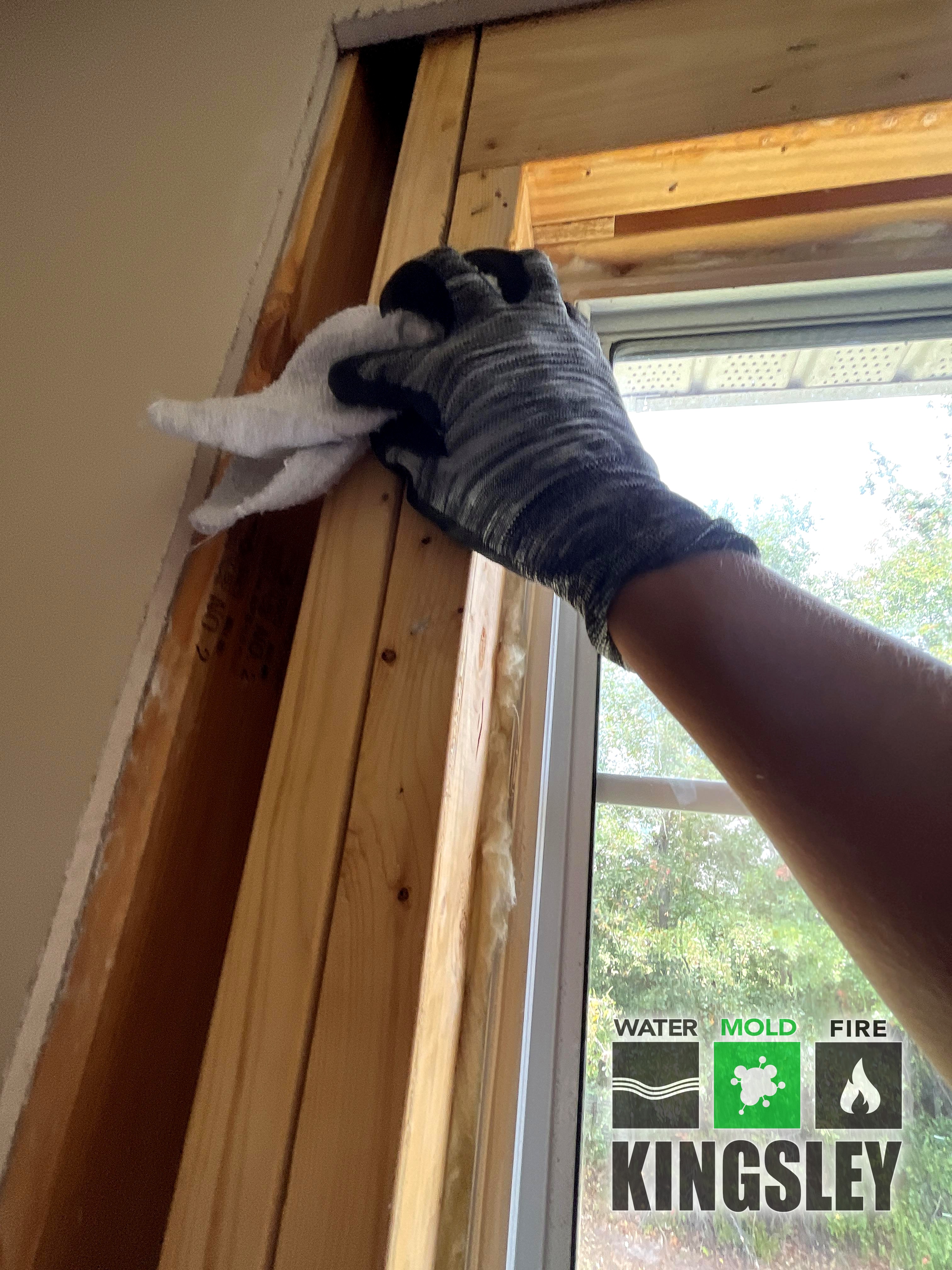
In West Columbia, SC, Kingsley water damage & Fire cleanup performed window frame mold cleanup and remediation after documenting gloved technician cleaning window framing during mold remediation during the initial condition check. That photo-backed condition check defined where finishes had to open, what could stay, and where drying equipment had to aim. The home needed source control, selective removal of non-salvageable wet or contaminated material, and verified drying of what remained in West Columbia. Quiet work windows were held where the household schedule required it, without stretching the drying calendar past about a week.

During mitigation we controlled the work zone so debris and spores did not track into clean rooms. Where finishes blocked drying, we opened only the wet footprint shown by meters and the photo record. Non-salvageable saturated material was bagged and removed; salvageable framing and sheathing were cleaned and treated when microbial staining warranted it. HEPA vacuuming and careful handling limited dust from demo. The unique on-site detail that guided this West Columbia file was gloved technician cleaning window framing during mold remediation. Quiet work windows were held where the household schedule required it, without stretching the drying calendar past about a week.

IICRC water-damage and mold-remediation practice prioritizes stop the moisture source, remove what cannot be dried in place, clean and treat remaining structures with an EPA-registered antimicrobial when staining warranted it, then dry to target with measured air movement and dehumidification. We placed air movers and dehumidifiers to match the wet assembly, aimed airflow along the wet materials in the photo, and rechecked moisture on a 3–7 day drying calendar with overnight humidity checks—never past about a week. Skipping that short monitoring window is how a straightforward wet call becomes secondary damage or a musty return odor in West Columbia.

As readings stabilized within that first-week window, we demobilized equipment and left the work area ready for any needed rebuild of finishes or insulation. Photo documentation of the mitigation state stayed with the job file for the West Columbia property, including the same angle that showed gloved technician cleaning window framing during mold remediation. Helpful takeaway: Musty odor that returns after a quick wipe in West Columbia usually means moisture is still feeding the stain—map it before painting over it.

Homeowners comparing window frame mold cleanup and remediation options in the West Columbia area should expect a written moisture map, selective removal instead of full tear-out when meters allow, and a clear end point when materials hit dry goal—not an open-ended equipment rental. Kingsley water damage & Fire cleanup follows that measured approach so rebuild decisions rest on documented conditions rather than a calendar guess.

When rebuild starts, keep the dry-standard notes handy for flooring, cabinet, or insulation trades so no one closes a cavity that still reads wet. That handoff is part of finishing window frame mold cleanup and remediation correctly in West Columbia after mitigation—not a separate sales pitch.

Throughout the West Columbia job we kept communication practical: what was wet, what was removed, what was drying, and when meters said the assembly met goal. That plain record is what homeowners and trades use after window frame mold cleanup and remediation—not jargon and not an invented multi-week timeline.

November 11, 2025 | West Columbia, SC

Kingsley water damage & Fire cleanup provided emergency water cleanup in West Columbia, SC after standing water or a sudden leak affected the home. Day-one work removes liquid water, protects dry rooms, and builds a wet map so demolition stays limited. Families keep using dry parts of the house while the wet footprint stays isolated.

Mitigation steps stay in homeowner language: contain the mess, open only what inspection supports, remove what will not dry, and clean or treat what can remain. HEPA filtration supports air cleaning when dust or microbial particles are a concern. Daily updates name the rooms still wet and why machines are still on site—no unexplained jargon wall. If children or pets use the home, we talk through temporary barriers and which doors should stay closed while airflow is balanced.

Drying follows a practical IICRC-oriented order: extract, move air, dehumidify, and monitor until readings support releasing equipment. Typical occupied homes in the Midlands finish structural drying inside a 3–7 day window. Cool crawls, wall cavities, and humid stretches can need the later days; we say so before extending. We will not pack up on day two if meters still show wet materials. Mid-job visits adjust vent counts and dehumidifier settings when outdoor humidity or construction details stall progress.

Contents handling is deliberate. Wet textiles move to a drying path or pack-out decision; furniture feet get blocks on wet carpet; important documents and medications leave the wet zone in a labeled bin you keep. Electronics on wet flooring are unplugged and elevated—we do not power-test them in standing moisture. These steps sound small and prevent a second wave of damage while structural drying continues.

Close-out is a plain walkthrough of what dried, what was removed, and what rebuild steps remain. Keep HVAC from blowing moist air into dry rooms while machines run. If anything rewets, call early so the drying window is not lost. A short written summary of rooms and equipment helps you update insurance without replaying every visit from memory.

Equipment placement tries to leave bedrooms and kitchens usable when the wet map allows. Cord runs and condensate drains are planned so tanks do not overflow while you are at work. If HOA gates, narrow drives, or shared crawls affect staging in West Columbia, share that on the first call so the truck arrives ready. Neighbor notices matter on duplex and townhome hatches.

Kingsley water damage & Fire cleanup uses 3031 Scotsman Rd Suite 16, Columbia, SC 29223 for Midlands paperwork and 803-590-0370 for live dispatch. You choose the contractor; preferred lists are optional. We document for carriers when you authorize it and direct-bill when the policy allows. Where detailed photo logs for this older job are thin, this page describes the standard mitigation approach for this loss type in West Columbia without inventing claim numbers, meter digits, or crew names.

If rebuild trades follow mitigation, we leave surfaces accessible and share moisture notes so flooring or drywall work does not trap leftover dampness. That handoff is part of finishing strong in the Midlands humidity cycle.

February 07, 2025 | West Columbia, SC

Kingsley water damage & Fire cleanup handled mold-related work in West Columbia, SC after moisture left growth or air concerns on real building materials. Inspection comes first: attic sheathing, crawl framing, cabinet interiors, or wall cavities get a documented look so scope matches what is present. Containment goes up when demolition dust or spores could travel into clean rooms. West Columbia homeowners get a plain explanation of what stays, what goes, and why—not a mystery checklist.

Mitigation steps stay in homeowner language: contain the mess, open only what inspection supports, remove what will not dry, and clean or treat what can remain. HEPA filtration supports air cleaning when dust or microbial particles are a concern. Daily updates name the rooms still wet and why machines are still on site—no unexplained jargon wall. If children or pets use the home, we talk through temporary barriers and which doors should stay closed while airflow is balanced.

Drying follows a practical IICRC-oriented order: extract, move air, dehumidify, and monitor until readings support releasing equipment. Typical occupied homes in the Midlands finish structural drying inside a 3–7 day window. Cool crawls, wall cavities, and humid stretches can need the later days; we say so before extending. We will not pack up on day two if meters still show wet materials. Mid-job visits adjust vent counts and dehumidifier settings when outdoor humidity or construction details stall progress.

Contents handling is deliberate. Wet textiles move to a drying path or pack-out decision; furniture feet get blocks on wet carpet; important documents and medications leave the wet zone in a labeled bin you keep. Electronics on wet flooring are unplugged and elevated—we do not power-test them in standing moisture. These steps sound small and prevent a second wave of damage while structural drying continues.

Close-out shows what was cleaned or removed and flags any roof, plumbing, or humidity source that still needs another trade. We do not invent square footage. For West Columbia homes, fixing the water path first is the takeaway—otherwise growth conversations restart after the next humid week.

Equipment placement tries to leave bedrooms and kitchens usable when the wet map allows. Cord runs and condensate drains are planned so tanks do not overflow while you are at work. If HOA gates, narrow drives, or shared crawls affect staging in West Columbia, share that on the first call so the truck arrives ready. Neighbor notices matter on duplex and townhome hatches.

Kingsley water damage & Fire cleanup uses 3031 Scotsman Rd Suite 16, Columbia, SC 29223 for Midlands paperwork and 803-590-0370 for live dispatch. You choose the contractor; preferred lists are optional. We document for carriers when you authorize it and direct-bill when the policy allows. Where detailed photo logs for this older job are thin, this page describes the standard mitigation approach for this loss type in West Columbia without inventing claim numbers, meter digits, or crew names.

If rebuild trades follow mitigation, we leave surfaces accessible and share moisture notes so flooring or drywall work does not trap leftover dampness. That handoff is part of finishing strong in the Midlands humidity cycle.

November 01, 2022 | West Columbia, SC

Kingsley water damage & Fire cleanup mitigated plumbing water damage in West Columbia, SC after a supply or fixture failure wet finished areas. With the source controlled, we extract, map baseboards and toe-kicks, and open only materials that block airflow. Bath walls and cabinet bases are common leftover-moisture traps on Midlands plumbing calls.

Mitigation steps stay in homeowner language: contain the mess, open only what inspection supports, remove what will not dry, and clean or treat what can remain. HEPA filtration supports air cleaning when dust or microbial particles are a concern. Daily updates name the rooms still wet and why machines are still on site—no unexplained jargon wall. If children or pets use the home, we talk through temporary barriers and which doors should stay closed while airflow is balanced.

Drying follows a practical IICRC-oriented order: extract, move air, dehumidify, and monitor until readings support releasing equipment. Typical occupied homes in the Midlands finish structural drying inside a 3–7 day window. Cool crawls, wall cavities, and humid stretches can need the later days; we say so before extending. We will not pack up on day two if meters still show wet materials. Mid-job visits adjust vent counts and dehumidifier settings when outdoor humidity or construction details stall progress.

Contents handling is deliberate. Wet textiles move to a drying path or pack-out decision; furniture feet get blocks on wet carpet; important documents and medications leave the wet zone in a labeled bin you keep. Electronics on wet flooring are unplugged and elevated—we do not power-test them in standing moisture. These steps sound small and prevent a second wave of damage while structural drying continues.

Close-out is a plain walkthrough of what dried, what was removed, and what rebuild steps remain. Keep HVAC from blowing moist air into dry rooms while machines run. If anything rewets, call early so the drying window is not lost. A short written summary of rooms and equipment helps you update insurance without replaying every visit from memory.

Equipment placement tries to leave bedrooms and kitchens usable when the wet map allows. Cord runs and condensate drains are planned so tanks do not overflow while you are at work. If HOA gates, narrow drives, or shared crawls affect staging in West Columbia, share that on the first call so the truck arrives ready. Neighbor notices matter on duplex and townhome hatches.

Kingsley water damage & Fire cleanup uses 3031 Scotsman Rd Suite 16, Columbia, SC 29223 for Midlands paperwork and 803-590-0370 for live dispatch. You choose the contractor; preferred lists are optional. We document for carriers when you authorize it and direct-bill when the policy allows. Where detailed photo logs for this older job are thin, this page describes the standard mitigation approach for this loss type in West Columbia without inventing claim numbers, meter digits, or crew names.

If rebuild trades follow mitigation, we leave surfaces accessible and share moisture notes so flooring or drywall work does not trap leftover dampness. That handoff is part of finishing strong in the Midlands humidity cycle.

May 11, 2022 | West Columbia, SC

Water Damage Restoration in West Columbia.

June 22, 2022 | Fairfield, SC

We were on site shortly after the call starting the water restoration process. Luckily the customer had already called her insurance company so by the time we arrived we were able to start immediately. When we left at night, drying equipment was set up and the homeowner was happy.

June 09, 2022 | Springdale, SC

Kingsley water damage & Fire cleanup provided emergency water cleanup in Springdale, SC after standing water or a sudden leak affected the home. Day-one work removes liquid water, protects dry rooms, and builds a wet map so demolition stays limited. Families keep using dry parts of the house while the wet footprint stays isolated.

Mitigation steps stay in homeowner language: contain the mess, open only what inspection supports, remove what will not dry, and clean or treat what can remain. HEPA filtration supports air cleaning when dust or microbial particles are a concern. Daily updates name the rooms still wet and why machines are still on site—no unexplained jargon wall. If children or pets use the home, we talk through temporary barriers and which doors should stay closed while airflow is balanced.

Drying follows a practical IICRC-oriented order: extract, move air, dehumidify, and monitor until readings support releasing equipment. Typical occupied homes in the Midlands finish structural drying inside a 3–7 day window. Cool crawls, wall cavities, and humid stretches can need the later days; we say so before extending. We will not pack up on day two if meters still show wet materials. Mid-job visits adjust vent counts and dehumidifier settings when outdoor humidity or construction details stall progress.

Contents handling is deliberate. Wet textiles move to a drying path or pack-out decision; furniture feet get blocks on wet carpet; important documents and medications leave the wet zone in a labeled bin you keep. Electronics on wet flooring are unplugged and elevated—we do not power-test them in standing moisture. These steps sound small and prevent a second wave of damage while structural drying continues.

Close-out is a plain walkthrough of what dried, what was removed, and what rebuild steps remain. Keep HVAC from blowing moist air into dry rooms while machines run. If anything rewets, call early so the drying window is not lost. A short written summary of rooms and equipment helps you update insurance without replaying every visit from memory.

Equipment placement tries to leave bedrooms and kitchens usable when the wet map allows. Cord runs and condensate drains are planned so tanks do not overflow while you are at work. If HOA gates, narrow drives, or shared crawls affect staging in Springdale, share that on the first call so the truck arrives ready. Neighbor notices matter on duplex and townhome hatches.

Kingsley water damage & Fire cleanup uses 3031 Scotsman Rd Suite 16, Columbia, SC 29223 for Midlands paperwork and 803-590-0370 for live dispatch. You choose the contractor; preferred lists are optional. We document for carriers when you authorize it and direct-bill when the policy allows. Where detailed photo logs for this older job are thin, this page describes the standard mitigation approach for this loss type in Springdale without inventing claim numbers, meter digits, or crew names.

If rebuild trades follow mitigation, we leave surfaces accessible and share moisture notes so flooring or drywall work does not trap leftover dampness. That handoff is part of finishing strong in the Midlands humidity cycle.