BEST Water & Fire Damage Restoration in White Rock, SC

All Damage Restoration Companies Are The Same, Right? Think Again

  • Immediate Dispatch- Calls Answered Live
  • Insurance Damage Repair Specialists
  • No Money Upfront- Direct Bill Insurance
  • 440+ five-star Google reviews
  • All Work Guaranteed
803-590-0370
Water Damage Repair in White Rock, SC

What to do right now

Active leak or standing water? Start here--simple steps that protect people and property without boxing you into a vendor list.

  1. Stop the water if you can (shutoff) and stay safe.
  2. Call us for a free phone consult -- we dispatch immediately on emergencies and tell you whether your next call should be a plumber, your insurance company, or neither. 803-590-0370
  3. You choose your contractor. Preferred-vendor lists are optional; you're not required to use them.

Your choice, your advocate. Kingsley Water Damage & Fire Cleanup is independent--we document thoroughly, work with carriers daily, and put your property first. Preferred lists don't override your right to hire who you trust.

803-590-0370

How water damage restoration works in White Rock

  1. Inspect & moisture-map (including Lake Murray shoreline and inland White Rock homes)
  2. Stop or contain the source
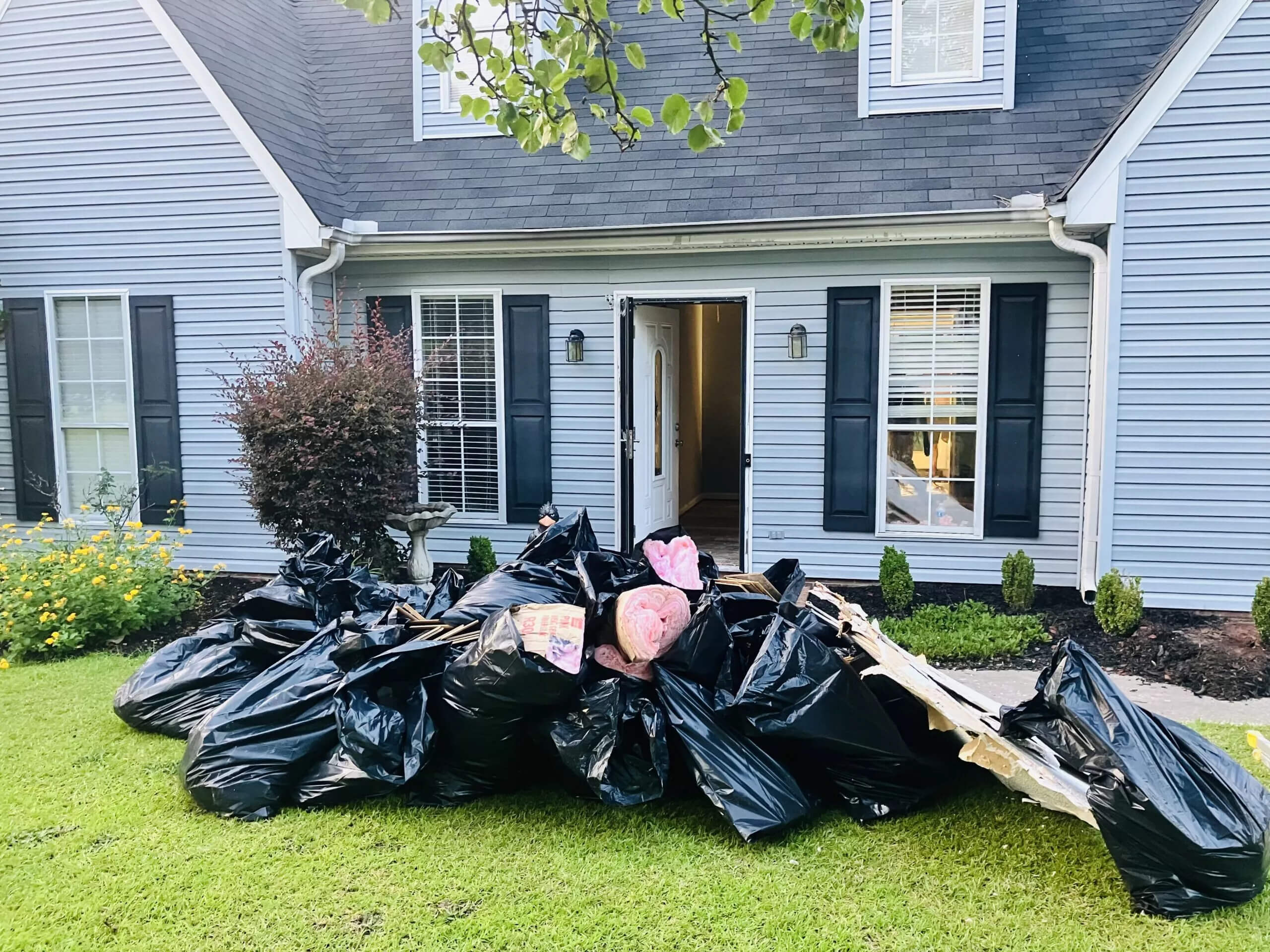
  3. Extract standing water; remove unsalvable materials when required
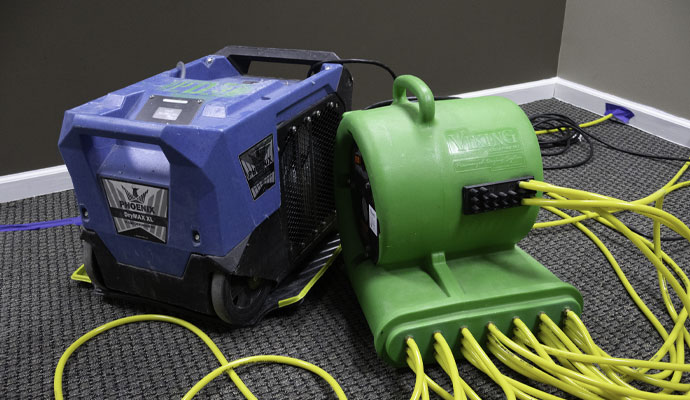
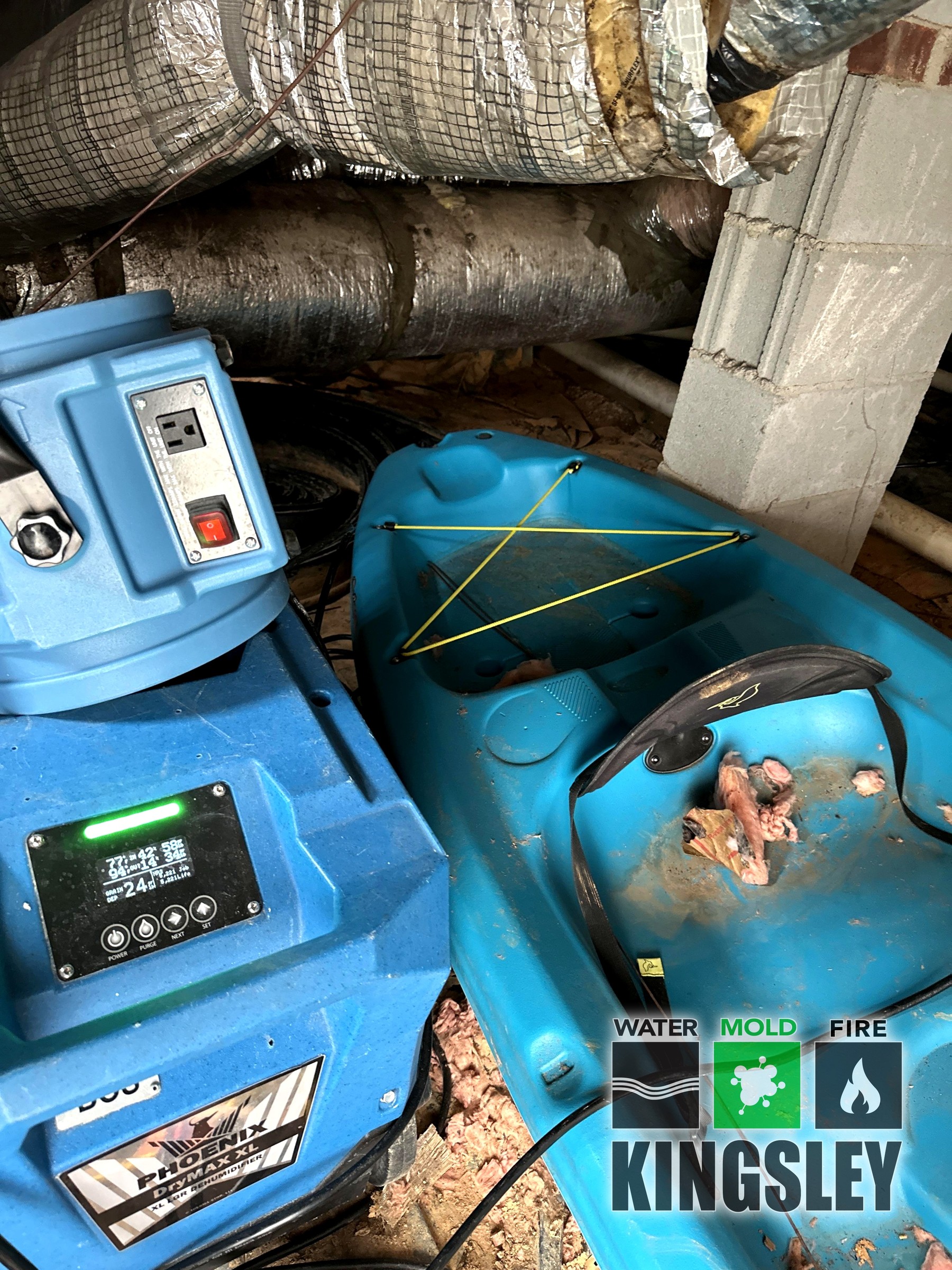
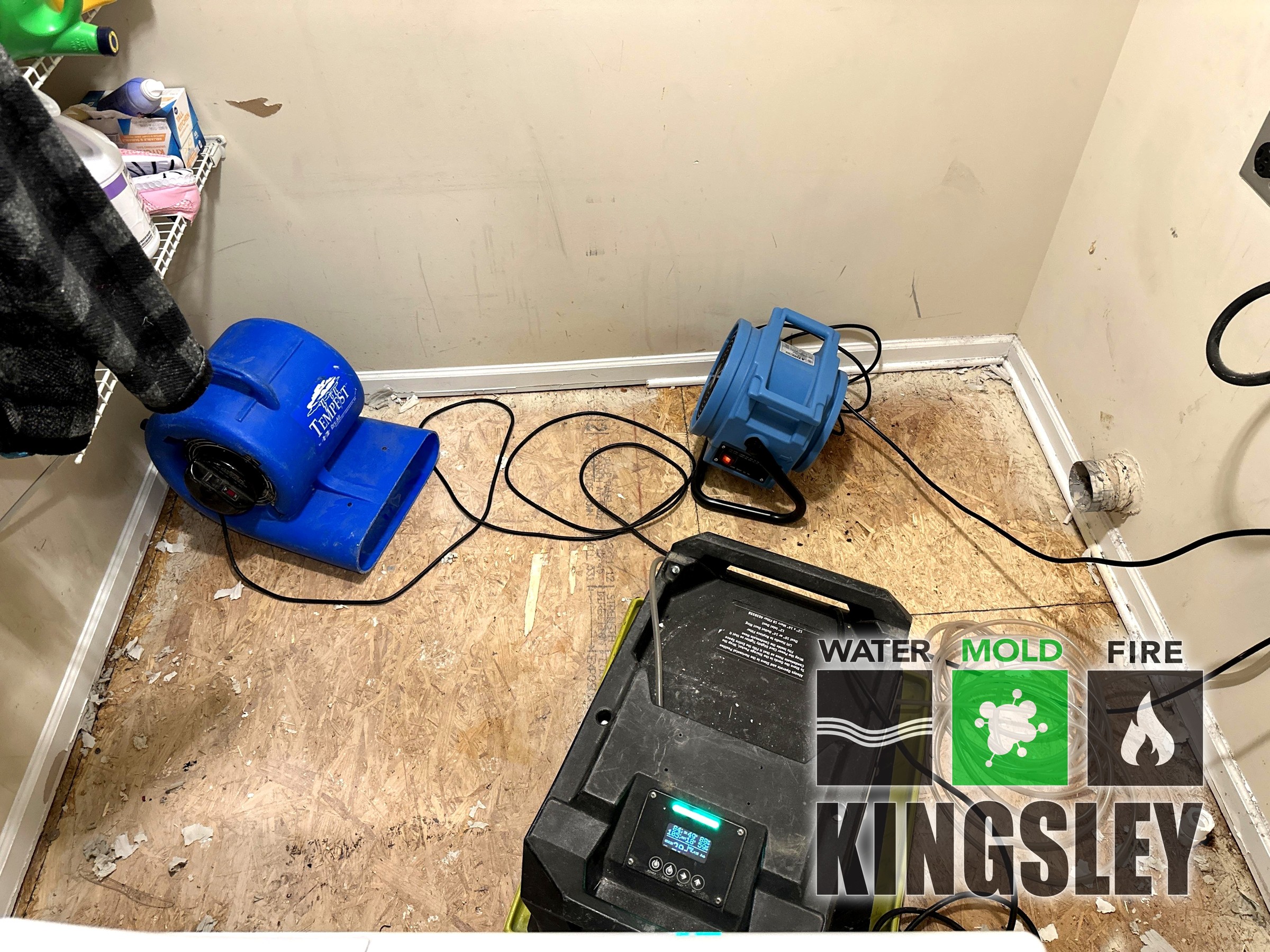
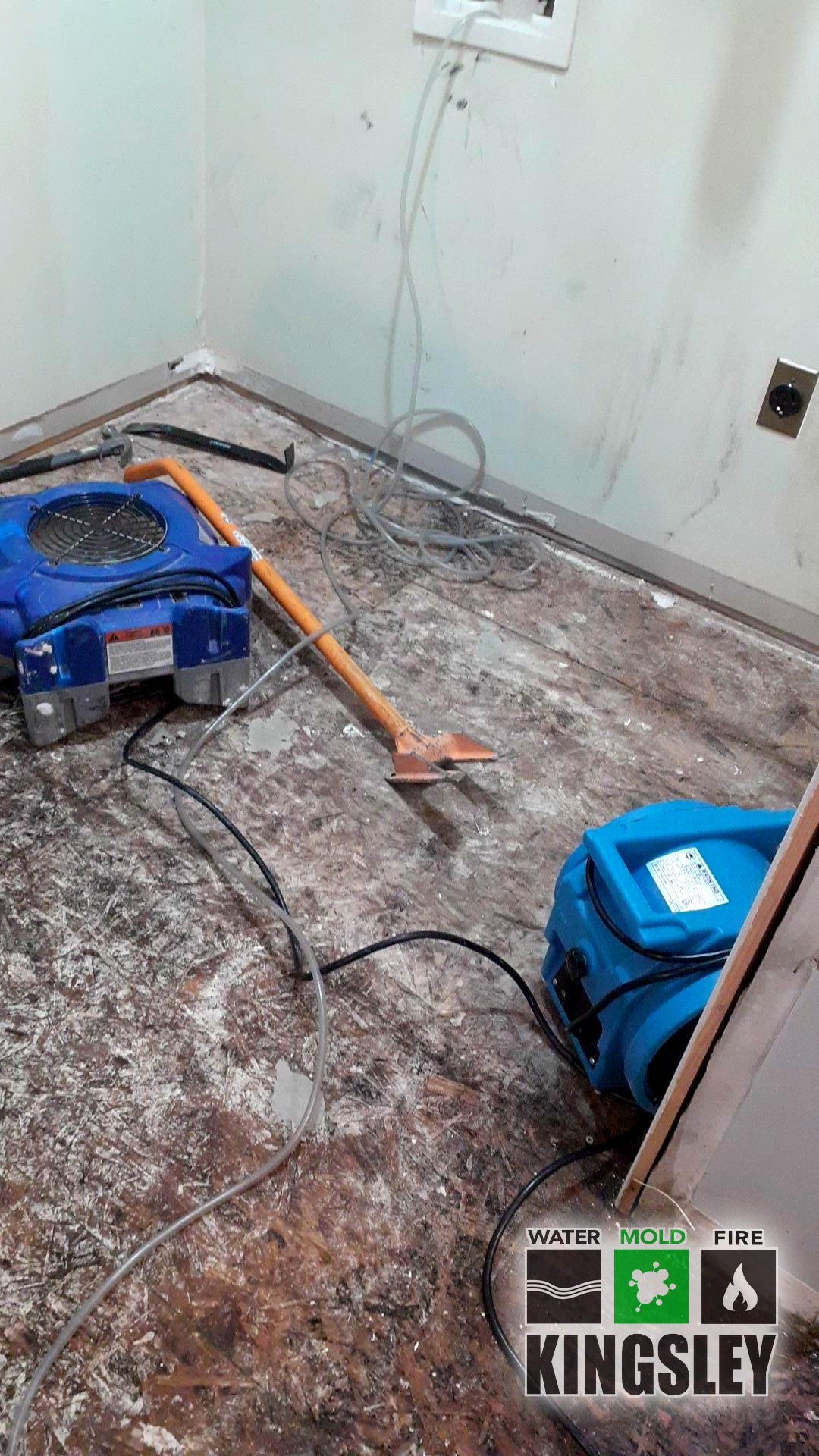
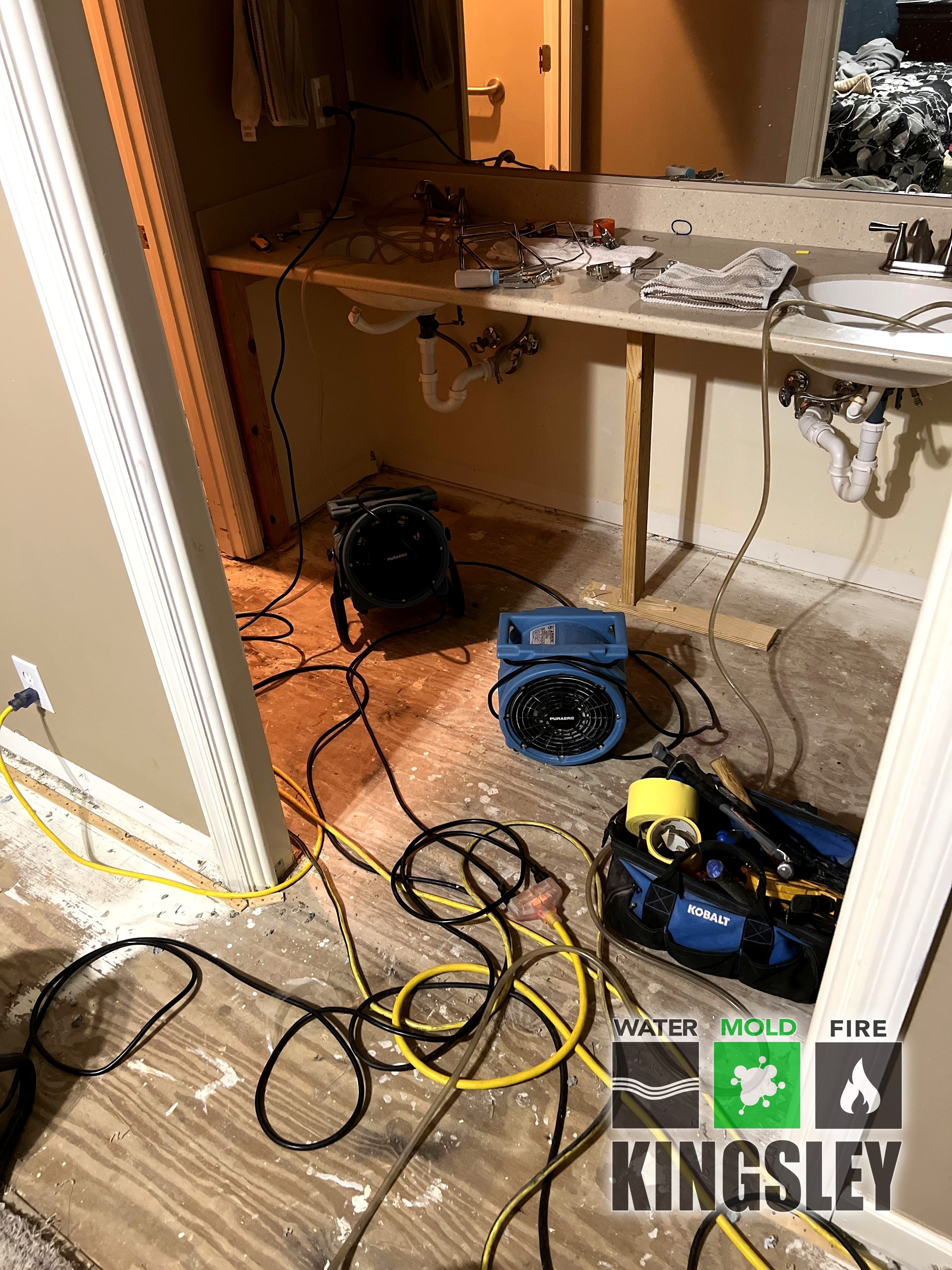
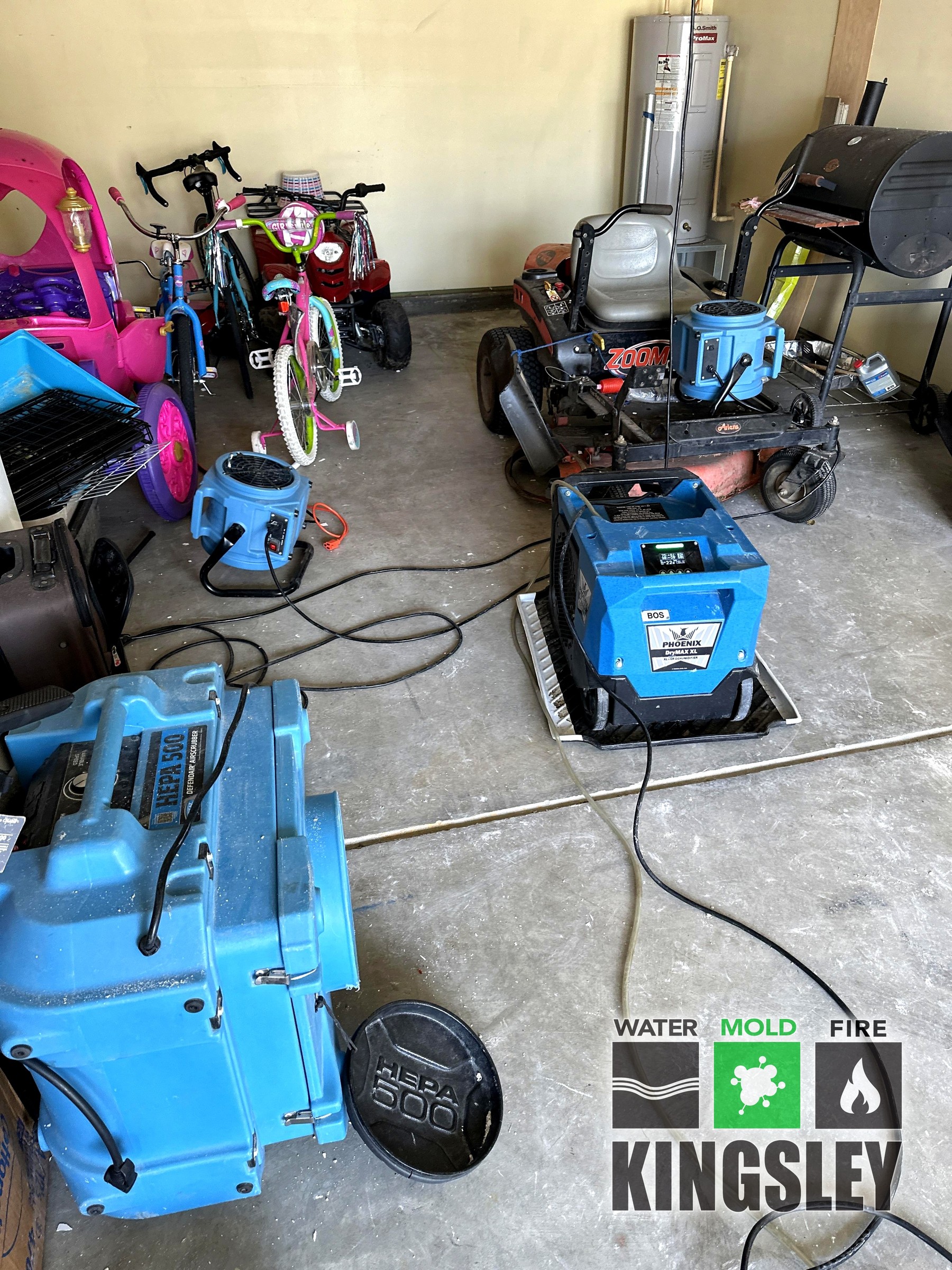
  4. Dry with air movers/dehumidifiers to target readings
  5. Clean, sanitize, restore finishes

Average residential extraction/drying: about 3-7 days. Historic plaster or hardwood may need gentler, longer monitored dry paths than modern drywall--still within a disciplined meter-based plan. Our methods align with IICRC restoration standards.

Shoreline wind-driven rain and inland crawlspace plumbing losses need different first moves--both still dry to meter targets. Most standard residential jobs stay in the 3-7 day mitigation window.

When fire leaves openings to weather, we coordinate emergency board-up alongside water mitigation.

Why Choose Kingsley Water Damage & Fire Cleanup?
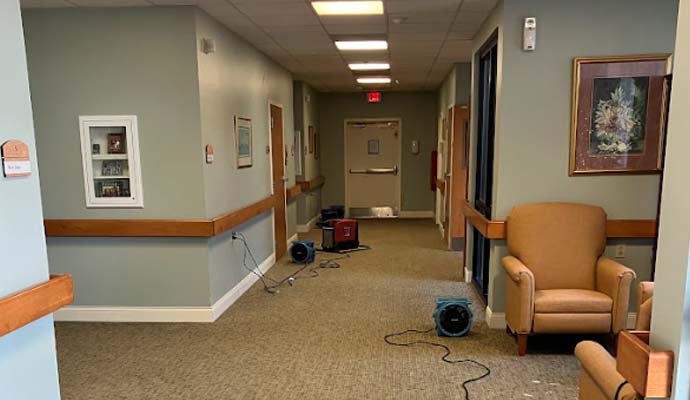
Kingsley water damage restoration process
  • Unmatched Service Quality: 440+ five-star Google reviews. We accept all insurance but operate independently--your needs stay the top priority.
  • Transparent Estimates Without Pressure: Clear water damage scopes and documentation so you can decide without high-pressure sales tactics.
  • Round-the-Clock Emergency Response: Rain, sleet, hail, or pipe burst--our 24-hour team is ready for White Rock emergencies.
  • Direct Bill Insurance: We bill carriers when the claim allows, so you aren't stuck fronting the whole mitigation bill.

Local Expertise for White Rock Residents

We know White Rock's Lake Murray shoreline, downtown, Little Mountain edge, and Ballentine edge--wind-rain paths and crawlspaces included. After soot or musty odor events, many homes benefit from air duct cleaning. When growth is suspected, mold testing helps scope remediation.

Your Partner in Property Restoration

Kingsley Water Damage & Fire Cleanup partners with White Rock homeowners from first call through verified dry-down. Lake-home storms, water-heater failures, or mold concerns--we document clearly and keep contractor choice with you.

Sorting flood vs. homeowners coverage? Review Ready.gov flood guidance and FloodSmart.gov for plain-language basics--we document the loss; your carrier confirms coverage.

Fire, smoke & mold around White Rock

Structure fires need fast board-up on lake and inland homes alike; humid crawls feed mold after quiet leaks. See board-up, smoke & soot, and crawl space mold.

For homeowner-facing mold basics, see the EPA mold guidance.

Areas we serve around White Rock

  • Lake Murray shoreline
  • downtown White Rock
  • Little Mountain edge
  • Ballentine edge

Call 803-590-0370 for dispatch anywhere in this corridor.

Frequently Asked Questions -- White Rock, SC

Most residential extraction and structural drying averages about 3-7 days. Lake-home lower levels and Category 3 water can change removal needs before drying. Our methods align with IICRC restoration standards for moisture mapping and verified drying.

Yes--shoreline and inland White Rock, plus Ballentine/Irmo edges. Call 803-590-0370 24/7.

Protect the room below, photograph, and call for ceiling/wall moisture mapping. Coordinate roof repairs so the area does not re-wet mid-dry.

Many sudden discharges are reviewed under homeowners forms, subject to your deductibles and exclusions. We document for the adjuster.

Moisture source first, then proper removal/drying. Humidity near the lake makes incomplete drying fail faster.

Yes. Emergency board-up and tarping limit weather intrusion while fire restoration planning begins.

Usually you may choose your contractor. Preferred-vendor lists are optional. We document thoroughly and work with carriers daily; your policy controls network rules.

Need help at a White Rock property? Call 803-590-0370 or use our contact page. Office: 3031 Scotsman Rd Suite 16, Columbia, SC 29223 · 803-590-0370.
Our customers love us!

See All 439 Reviews
Customer Reviews from White Rock and Surrounding Areas ( 5
from 12 reviews )

Happy Customers across White Rock and Surrounding Areas

Completed Jobs from White Rock and Surrounding Areas

See All

December 17, 2024 | White Rock, SC

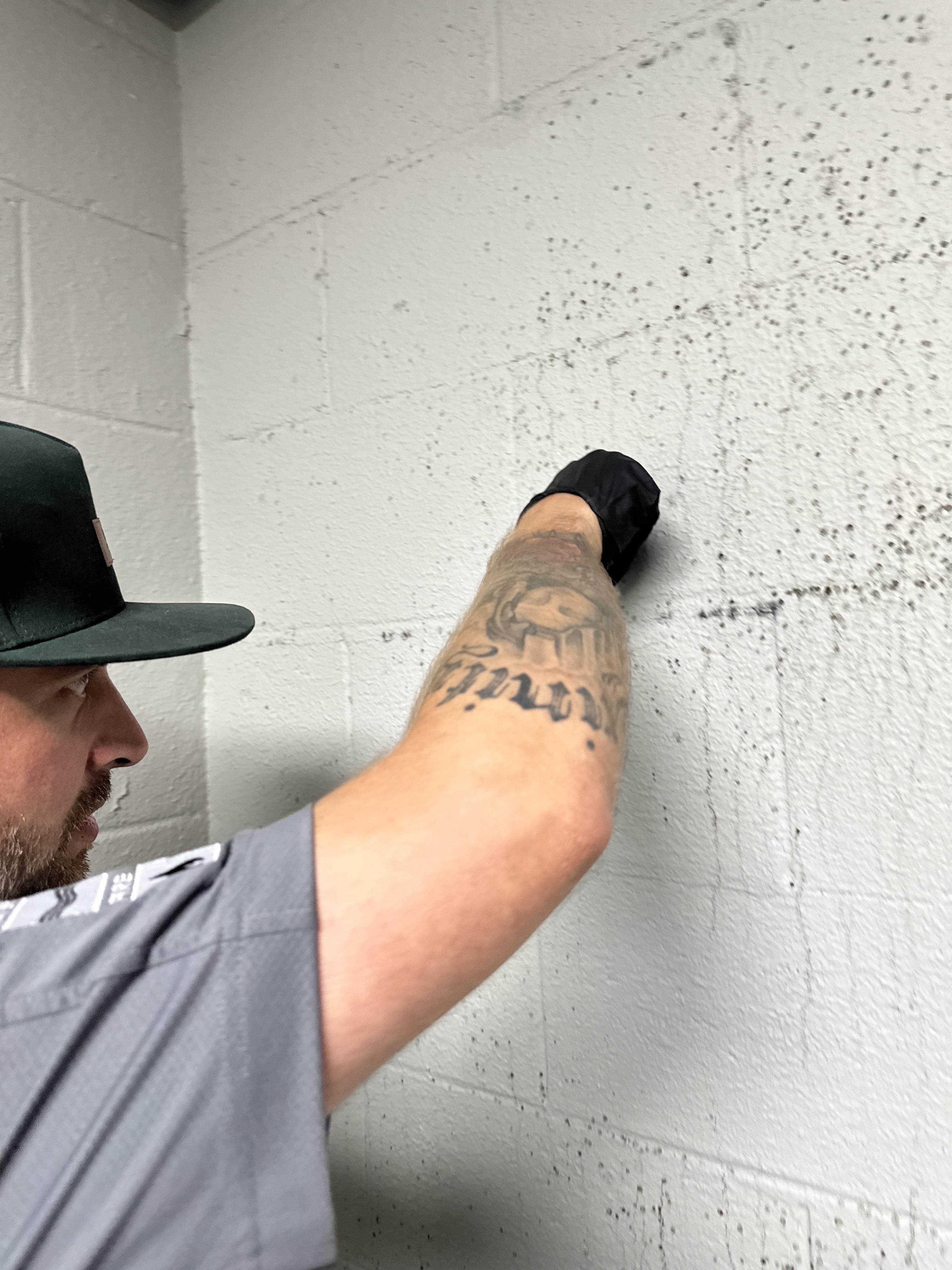
Kingsley water damage & Fire cleanup completed Mold Testing and Remediation with moisture mapping, containment as needed, and verified drying over a 3–7 day window in White Rock, SC.

October 16, 2024 | White Rock, SC

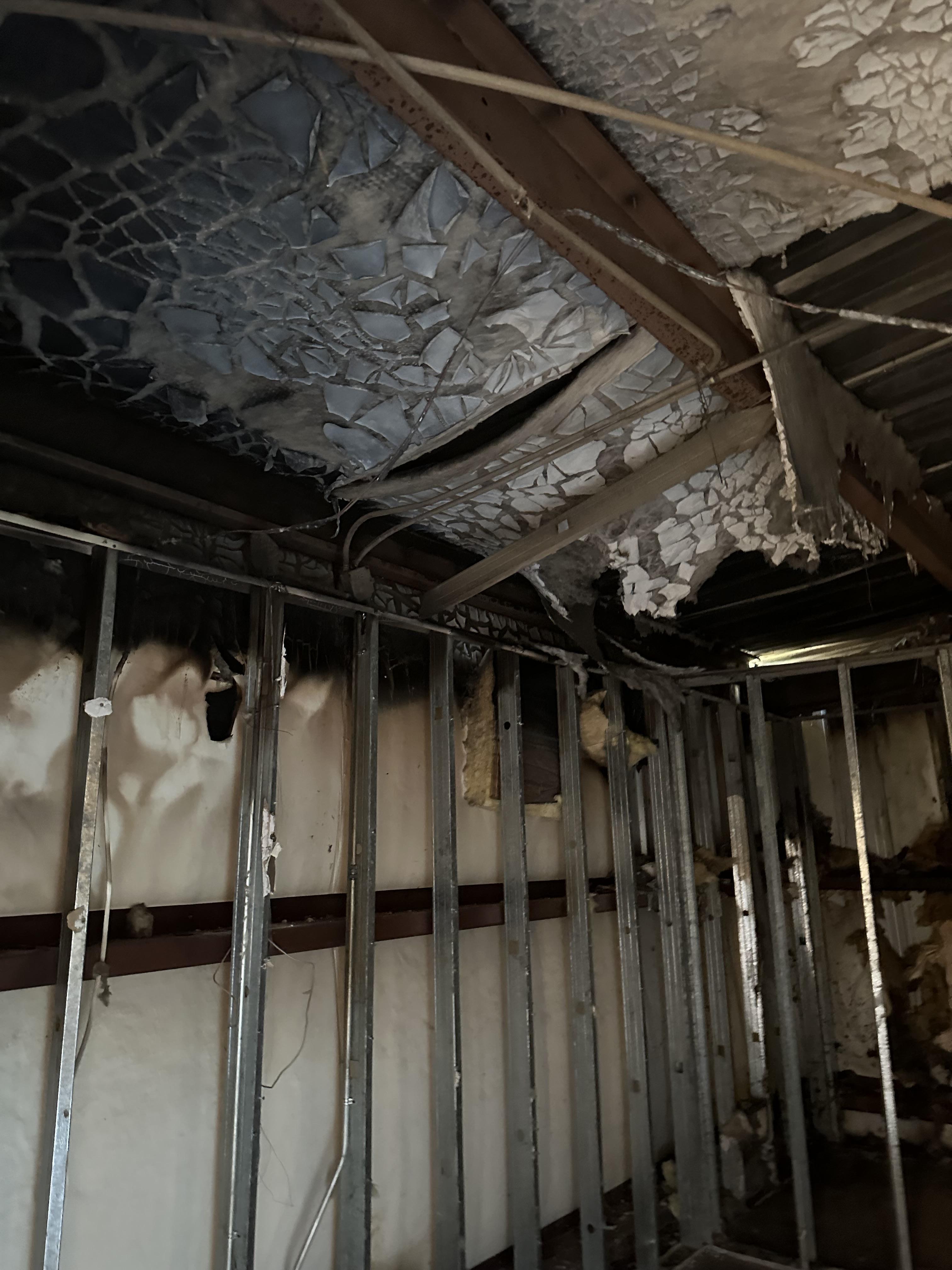
Kingsley water damage & Fire cleanup completed Commercial Fire Damage Cleanup with moisture mapping, containment as needed, and verified drying over a 3–7 day window in White Rock, SC.

March 10, 2022 | Chapin, SC

Kingsley water damage & Fire cleanup mitigated plumbing water damage in Chapin, SC after a supply or fixture failure wet finished areas. With the source controlled, we extract, map baseboards and toe-kicks, and open only materials that block airflow. Bath walls and cabinet bases are common leftover-moisture traps on Midlands plumbing calls.

Mitigation steps stay in homeowner language: contain the mess, open only what inspection supports, remove what will not dry, and clean or treat what can remain. HEPA filtration supports air cleaning when dust or microbial particles are a concern. Daily updates name the rooms still wet and why machines are still on site—no unexplained jargon wall. If children or pets use the home, we talk through temporary barriers and which doors should stay closed while airflow is balanced.

Drying follows a practical IICRC-oriented order: extract, move air, dehumidify, and monitor until readings support releasing equipment. Typical occupied homes in the Midlands finish structural drying inside a 3–7 day window. Cool crawls, wall cavities, and humid stretches can need the later days; we say so before extending. We will not pack up on day two if meters still show wet materials. Mid-job visits adjust vent counts and dehumidifier settings when outdoor humidity or construction details stall progress.

Contents handling is deliberate. Wet textiles move to a drying path or pack-out decision; furniture feet get blocks on wet carpet; important documents and medications leave the wet zone in a labeled bin you keep. Electronics on wet flooring are unplugged and elevated—we do not power-test them in standing moisture. These steps sound small and prevent a second wave of damage while structural drying continues.

Close-out is a plain walkthrough of what dried, what was removed, and what rebuild steps remain. Keep HVAC from blowing moist air into dry rooms while machines run. If anything rewets, call early so the drying window is not lost. A short written summary of rooms and equipment helps you update insurance without replaying every visit from memory.

Equipment placement tries to leave bedrooms and kitchens usable when the wet map allows. Cord runs and condensate drains are planned so tanks do not overflow while you are at work. If HOA gates, narrow drives, or shared crawls affect staging in Chapin, share that on the first call so the truck arrives ready. Neighbor notices matter on duplex and townhome hatches.

Kingsley water damage & Fire cleanup uses 3031 Scotsman Rd Suite 16, Columbia, SC 29223 for Midlands paperwork and 803-590-0370 for live dispatch. You choose the contractor; preferred lists are optional. We document for carriers when you authorize it and direct-bill when the policy allows. Where detailed photo logs for this older job are thin, this page describes the standard mitigation approach for this loss type in Chapin without inventing claim numbers, meter digits, or crew names.

If rebuild trades follow mitigation, we leave surfaces accessible and share moisture notes so flooring or drywall work does not trap leftover dampness. That handoff is part of finishing strong in the Midlands humidity cycle.

June 20, 2022 | Irmo, SC

Standing water on a finished wood floor is a timing problem. Every hour it sits, more of it moves down through the seams into the subfloor, so extraction was the first task on this Irmo property before any assessment was written up. A weighted extraction tool was worked across the hardwood in the entry and the adjoining rooms, drawing water up through the board seams under vacuum instead of merely wiping the surface. The crew worked outward from the wettest area toward the carpeted stair landing so water was not pushed into dry material.

With the surface water gone, the extent of the intrusion could be measured properly. Moisture meters and thermal imaging were used across the foyer, kitchen, dining room, bathroom and garage to find where water had gone under cabinets, behind baseboards and beneath the floor covering. Readings from unaffected areas of the same house were taken as a baseline so there was something real to dry back to. The termite damage in the bathroom corner was noted and photographed at this stage so the compromised wood was handled carefully rather than discovered mid-demolition.

Only the material that could not be dried in place was removed. Baseboards came off in the affected rooms so air could reach the wall cavities and the framing behind them, and wet insulation and drywall were cut out where the readings called for it. The bathroom toilet and pedestal sink were detached so the wall and floor behind them could be reached. Everything that was opened up was HEPA vacuumed and treated with an antimicrobial before drying equipment went in, which is the step that keeps a water loss from turning into a mold problem later.

Drying the hardwood was handled differently from drying the rest of the house. Air movers were set to move air along the length of the boards rather than straight down at them, and dehumidifiers were sized to hold the room dry while moisture came out of the wood, which happens slowly and unevenly. Readings were taken from the boards, the subfloor beneath and the framing on each visit, and the equipment was left running and adjusted until those numbers matched the baseline instead of being pulled on a schedule. Wood floors that look dry on top routinely still hold water underneath, so the meter decides.

When the readings held steady, the equipment was removed and the reconstruction stage began. Removed drywall and insulation were replaced, baseboards were reinstalled, plumbing fixtures were reset, and the sections of flooring that could not be saved were addressed. The affected rooms in Irmo were cleaned down and the drying documentation was completed and filed with the job.

September 24, 2022 | Ballentine, SC

Professional Water Damage Prevention in Ballentine.

November 02, 2022 | Irmo, SC

Kingsley water damage & Fire cleanup provided emergency water cleanup in Irmo, SC after standing water or a sudden leak affected the home. Day-one work removes liquid water, protects dry rooms, and builds a wet map so demolition stays limited. Families keep using dry parts of the house while the wet footprint stays isolated.

Mitigation steps stay in homeowner language: contain the mess, open only what inspection supports, remove what will not dry, and clean or treat what can remain. HEPA filtration supports air cleaning when dust or microbial particles are a concern. Daily updates name the rooms still wet and why machines are still on site—no unexplained jargon wall. If children or pets use the home, we talk through temporary barriers and which doors should stay closed while airflow is balanced.

Drying follows a practical IICRC-oriented order: extract, move air, dehumidify, and monitor until readings support releasing equipment. Typical occupied homes in the Midlands finish structural drying inside a 3–7 day window. Cool crawls, wall cavities, and humid stretches can need the later days; we say so before extending. We will not pack up on day two if meters still show wet materials. Mid-job visits adjust vent counts and dehumidifier settings when outdoor humidity or construction details stall progress.

Contents handling is deliberate. Wet textiles move to a drying path or pack-out decision; furniture feet get blocks on wet carpet; important documents and medications leave the wet zone in a labeled bin you keep. Electronics on wet flooring are unplugged and elevated—we do not power-test them in standing moisture. These steps sound small and prevent a second wave of damage while structural drying continues.

Close-out is a plain walkthrough of what dried, what was removed, and what rebuild steps remain. Keep HVAC from blowing moist air into dry rooms while machines run. If anything rewets, call early so the drying window is not lost. A short written summary of rooms and equipment helps you update insurance without replaying every visit from memory.

Equipment placement tries to leave bedrooms and kitchens usable when the wet map allows. Cord runs and condensate drains are planned so tanks do not overflow while you are at work. If HOA gates, narrow drives, or shared crawls affect staging in Irmo, share that on the first call so the truck arrives ready. Neighbor notices matter on duplex and townhome hatches.

Kingsley water damage & Fire cleanup uses 3031 Scotsman Rd Suite 16, Columbia, SC 29223 for Midlands paperwork and 803-590-0370 for live dispatch. You choose the contractor; preferred lists are optional. We document for carriers when you authorize it and direct-bill when the policy allows. Where detailed photo logs for this older job are thin, this page describes the standard mitigation approach for this loss type in Irmo without inventing claim numbers, meter digits, or crew names.

If rebuild trades follow mitigation, we leave surfaces accessible and share moisture notes so flooring or drywall work does not trap leftover dampness. That handoff is part of finishing strong in the Midlands humidity cycle.

October 20, 2022 | Chapin, SC

Kingsley water damage & Fire cleanup mitigated plumbing water damage in Chapin, SC after a supply or fixture failure wet finished areas. With the source controlled, we extract, map baseboards and toe-kicks, and open only materials that block airflow. Bath walls and cabinet bases are common leftover-moisture traps on Midlands plumbing calls.

Mitigation steps stay in homeowner language: contain the mess, open only what inspection supports, remove what will not dry, and clean or treat what can remain. HEPA filtration supports air cleaning when dust or microbial particles are a concern. Daily updates name the rooms still wet and why machines are still on site—no unexplained jargon wall. If children or pets use the home, we talk through temporary barriers and which doors should stay closed while airflow is balanced.

Drying follows a practical IICRC-oriented order: extract, move air, dehumidify, and monitor until readings support releasing equipment. Typical occupied homes in the Midlands finish structural drying inside a 3–7 day window. Cool crawls, wall cavities, and humid stretches can need the later days; we say so before extending. We will not pack up on day two if meters still show wet materials. Mid-job visits adjust vent counts and dehumidifier settings when outdoor humidity or construction details stall progress.

Contents handling is deliberate. Wet textiles move to a drying path or pack-out decision; furniture feet get blocks on wet carpet; important documents and medications leave the wet zone in a labeled bin you keep. Electronics on wet flooring are unplugged and elevated—we do not power-test them in standing moisture. These steps sound small and prevent a second wave of damage while structural drying continues.

Close-out is a plain walkthrough of what dried, what was removed, and what rebuild steps remain. Keep HVAC from blowing moist air into dry rooms while machines run. If anything rewets, call early so the drying window is not lost. A short written summary of rooms and equipment helps you update insurance without replaying every visit from memory.

Equipment placement tries to leave bedrooms and kitchens usable when the wet map allows. Cord runs and condensate drains are planned so tanks do not overflow while you are at work. If HOA gates, narrow drives, or shared crawls affect staging in Chapin, share that on the first call so the truck arrives ready. Neighbor notices matter on duplex and townhome hatches.

Kingsley water damage & Fire cleanup uses 3031 Scotsman Rd Suite 16, Columbia, SC 29223 for Midlands paperwork and 803-590-0370 for live dispatch. You choose the contractor; preferred lists are optional. We document for carriers when you authorize it and direct-bill when the policy allows. Where detailed photo logs for this older job are thin, this page describes the standard mitigation approach for this loss type in Chapin without inventing claim numbers, meter digits, or crew names.

If rebuild trades follow mitigation, we leave surfaces accessible and share moisture notes so flooring or drywall work does not trap leftover dampness. That handoff is part of finishing strong in the Midlands humidity cycle.

June 16, 2023 | Ballentine, SC

Flooded house in Irmo in Ballentine.

November 12, 2024 | Chapin, SC

Kingsley water damage & Fire cleanup mitigated plumbing water damage in Chapin, SC after a supply or fixture failure wet finished areas. With the source controlled, we extract, map baseboards and toe-kicks, and open only materials that block airflow. Bath walls and cabinet bases are common leftover-moisture traps on Midlands plumbing calls.

Mitigation steps stay in homeowner language: contain the mess, open only what inspection supports, remove what will not dry, and clean or treat what can remain. HEPA filtration supports air cleaning when dust or microbial particles are a concern. Daily updates name the rooms still wet and why machines are still on site—no unexplained jargon wall. If children or pets use the home, we talk through temporary barriers and which doors should stay closed while airflow is balanced.

Drying follows a practical IICRC-oriented order: extract, move air, dehumidify, and monitor until readings support releasing equipment. Typical occupied homes in the Midlands finish structural drying inside a 3–7 day window. Cool crawls, wall cavities, and humid stretches can need the later days; we say so before extending. We will not pack up on day two if meters still show wet materials. Mid-job visits adjust vent counts and dehumidifier settings when outdoor humidity or construction details stall progress.

Contents handling is deliberate. Wet textiles move to a drying path or pack-out decision; furniture feet get blocks on wet carpet; important documents and medications leave the wet zone in a labeled bin you keep. Electronics on wet flooring are unplugged and elevated—we do not power-test them in standing moisture. These steps sound small and prevent a second wave of damage while structural drying continues.

Close-out is a plain walkthrough of what dried, what was removed, and what rebuild steps remain. Keep HVAC from blowing moist air into dry rooms while machines run. If anything rewets, call early so the drying window is not lost. A short written summary of rooms and equipment helps you update insurance without replaying every visit from memory.

Equipment placement tries to leave bedrooms and kitchens usable when the wet map allows. Cord runs and condensate drains are planned so tanks do not overflow while you are at work. If HOA gates, narrow drives, or shared crawls affect staging in Chapin, share that on the first call so the truck arrives ready. Neighbor notices matter on duplex and townhome hatches.

Kingsley water damage & Fire cleanup uses 3031 Scotsman Rd Suite 16, Columbia, SC 29223 for Midlands paperwork and 803-590-0370 for live dispatch. You choose the contractor; preferred lists are optional. We document for carriers when you authorize it and direct-bill when the policy allows. Where detailed photo logs for this older job are thin, this page describes the standard mitigation approach for this loss type in Chapin without inventing claim numbers, meter digits, or crew names.

If rebuild trades follow mitigation, we leave surfaces accessible and share moisture notes so flooring or drywall work does not trap leftover dampness. That handoff is part of finishing strong in the Midlands humidity cycle.

December 27, 2024 | Chapin, SC

Kingsley water damage & Fire cleanup handled mold-related work in Chapin, SC after moisture left growth or air concerns on real building materials. Inspection comes first: attic sheathing, crawl framing, cabinet interiors, or wall cavities get a documented look so scope matches what is present. Containment goes up when demolition dust or spores could travel into clean rooms. Chapin homeowners get a plain explanation of what stays, what goes, and why—not a mystery checklist.

Mitigation steps stay in homeowner language: contain the mess, open only what inspection supports, remove what will not dry, and clean or treat what can remain. HEPA filtration supports air cleaning when dust or microbial particles are a concern. Daily updates name the rooms still wet and why machines are still on site—no unexplained jargon wall. If children or pets use the home, we talk through temporary barriers and which doors should stay closed while airflow is balanced.

Drying follows a practical IICRC-oriented order: extract, move air, dehumidify, and monitor until readings support releasing equipment. Typical occupied homes in the Midlands finish structural drying inside a 3–7 day window. Cool crawls, wall cavities, and humid stretches can need the later days; we say so before extending. We will not pack up on day two if meters still show wet materials. Mid-job visits adjust vent counts and dehumidifier settings when outdoor humidity or construction details stall progress.

Contents handling is deliberate. Wet textiles move to a drying path or pack-out decision; furniture feet get blocks on wet carpet; important documents and medications leave the wet zone in a labeled bin you keep. Electronics on wet flooring are unplugged and elevated—we do not power-test them in standing moisture. These steps sound small and prevent a second wave of damage while structural drying continues.

Close-out shows what was cleaned or removed and flags any roof, plumbing, or humidity source that still needs another trade. We do not invent square footage. For Chapin homes, fixing the water path first is the takeaway—otherwise growth conversations restart after the next humid week.

Equipment placement tries to leave bedrooms and kitchens usable when the wet map allows. Cord runs and condensate drains are planned so tanks do not overflow while you are at work. If HOA gates, narrow drives, or shared crawls affect staging in Chapin, share that on the first call so the truck arrives ready. Neighbor notices matter on duplex and townhome hatches.

Kingsley water damage & Fire cleanup uses 3031 Scotsman Rd Suite 16, Columbia, SC 29223 for Midlands paperwork and 803-590-0370 for live dispatch. You choose the contractor; preferred lists are optional. We document for carriers when you authorize it and direct-bill when the policy allows. Where detailed photo logs for this older job are thin, this page describes the standard mitigation approach for this loss type in Chapin without inventing claim numbers, meter digits, or crew names.

If rebuild trades follow mitigation, we leave surfaces accessible and share moisture notes so flooring or drywall work does not trap leftover dampness. That handoff is part of finishing strong in the Midlands humidity cycle.

July 09, 2025 | Chapin, SC

Kingsley water damage & Fire cleanup supported fire and smoke cleanup in Chapin, SC where heat and residues affected finished rooms and, in many Midlands losses, suppression water soaked flooring below. We confirm safe entry, photograph soot patterns on walls, ceilings, and contents, and separate dry living space from the work zone before wet-wiping anything. That photo-backed look decides what cleans in place, what packs out, and where structural drying must run in parallel so cleaned surfaces are not sitting on wet substrate.

Mitigation steps stay in homeowner language: contain the mess, open only what inspection supports, remove what will not dry, and clean or treat what can remain. HEPA filtration supports air cleaning when dust or microbial particles are a concern. Daily updates name the rooms still wet and why machines are still on site—no unexplained jargon wall. If children or pets use the home, we talk through temporary barriers and which doors should stay closed while airflow is balanced.

Drying follows a practical IICRC-oriented order: extract, move air, dehumidify, and monitor until readings support releasing equipment. Typical occupied homes in the Midlands finish structural drying inside a 3–7 day window. Cool crawls, wall cavities, and humid stretches can need the later days; we say so before extending. We will not pack up on day two if meters still show wet materials. Mid-job visits adjust vent counts and dehumidifier settings when outdoor humidity or construction details stall progress.

Contents handling is deliberate. Wet textiles move to a drying path or pack-out decision; furniture feet get blocks on wet carpet; important documents and medications leave the wet zone in a labeled bin you keep. Electronics on wet flooring are unplugged and elevated—we do not power-test them in standing moisture. These steps sound small and prevent a second wave of damage while structural drying continues.

Close-out walks cleaned surfaces, sets residual odor expectations, and separates mitigation from longer rebuild decisions. Contents stay or go based on residue depth—not a blanket discard. If suppression water soaked floors, drying continues so soot cleaning is not wasted on wet substrate. You leave knowing which trades may still need to rebuild after mitigation.

Equipment placement tries to leave bedrooms and kitchens usable when the wet map allows. Cord runs and condensate drains are planned so tanks do not overflow while you are at work. If HOA gates, narrow drives, or shared crawls affect staging in Chapin, share that on the first call so the truck arrives ready. Neighbor notices matter on duplex and townhome hatches.

Kingsley water damage & Fire cleanup uses 3031 Scotsman Rd Suite 16, Columbia, SC 29223 for Midlands paperwork and 803-590-0370 for live dispatch. You choose the contractor; preferred lists are optional. We document for carriers when you authorize it and direct-bill when the policy allows. Where detailed photo logs for this older job are thin, this page describes the standard mitigation approach for this loss type in Chapin without inventing claim numbers, meter digits, or crew names.

October 28, 2025 | Irmo, SC

Kingsley water damage & Fire cleanup provided emergency water cleanup in Irmo, SC after standing water or a sudden leak affected the home. Day-one work removes liquid water, protects dry rooms, and builds a wet map so demolition stays limited. Families keep using dry parts of the house while the wet footprint stays isolated.

Mitigation steps stay in homeowner language: contain the mess, open only what inspection supports, remove what will not dry, and clean or treat what can remain. HEPA filtration supports air cleaning when dust or microbial particles are a concern. Daily updates name the rooms still wet and why machines are still on site—no unexplained jargon wall. If children or pets use the home, we talk through temporary barriers and which doors should stay closed while airflow is balanced.

Drying follows a practical IICRC-oriented order: extract, move air, dehumidify, and monitor until readings support releasing equipment. Typical occupied homes in the Midlands finish structural drying inside a 3–7 day window. Cool crawls, wall cavities, and humid stretches can need the later days; we say so before extending. We will not pack up on day two if meters still show wet materials. Mid-job visits adjust vent counts and dehumidifier settings when outdoor humidity or construction details stall progress.

Contents handling is deliberate. Wet textiles move to a drying path or pack-out decision; furniture feet get blocks on wet carpet; important documents and medications leave the wet zone in a labeled bin you keep. Electronics on wet flooring are unplugged and elevated—we do not power-test them in standing moisture. These steps sound small and prevent a second wave of damage while structural drying continues.

Close-out is a plain walkthrough of what dried, what was removed, and what rebuild steps remain. Keep HVAC from blowing moist air into dry rooms while machines run. If anything rewets, call early so the drying window is not lost. A short written summary of rooms and equipment helps you update insurance without replaying every visit from memory.

Equipment placement tries to leave bedrooms and kitchens usable when the wet map allows. Cord runs and condensate drains are planned so tanks do not overflow while you are at work. If HOA gates, narrow drives, or shared crawls affect staging in Irmo, share that on the first call so the truck arrives ready. Neighbor notices matter on duplex and townhome hatches.

Kingsley water damage & Fire cleanup uses 3031 Scotsman Rd Suite 16, Columbia, SC 29223 for Midlands paperwork and 803-590-0370 for live dispatch. You choose the contractor; preferred lists are optional. We document for carriers when you authorize it and direct-bill when the policy allows. Where detailed photo logs for this older job are thin, this page describes the standard mitigation approach for this loss type in Irmo without inventing claim numbers, meter digits, or crew names.

If rebuild trades follow mitigation, we leave surfaces accessible and share moisture notes so flooring or drywall work does not trap leftover dampness. That handoff is part of finishing strong in the Midlands humidity cycle.