Water Damage and Fire Cleanup Service

BEST Water Damage & Fire Cleanup Service in Summerville, SC

Welcome to Kingsley Water Damage & Fire Cleanup! We are a family-owned business proudly serving Summerville, SC, and the surrounding areas. Our commitment is to provide top-notch water, fire, and mold restoration services with a personal touch. Our team understands the emotional and physical stress that comes with property damage, and we are here to support you every step of the way.

Contact Us
About Us

About Us

At Kingsley, we prioritize building strong relationships with our clients. Our team is made up of local experts who care deeply about our community. We are not just a service provider; we are your neighbors, dedicated to helping you restore your home or business to its former glory.

Our Core Values:

  • Integrity: We conduct our business with honesty and transparency.
  • Excellence: Our work meets the highest standards in the industry.
  • Compassion: We treat every client with empathy and respect.
Why Choose Kingsley

Why Choose Kingsley?

  • 24/7 Emergency Response: We are always ready to respond to your emergencies, ensuring quick and efficient service.
  • Highly Trained Technicians: Our team holds IICRC certifications and receives ongoing training to stay updated with the latest restoration techniques.
  • Advanced Equipment: We use state-of-the-art equipment to ensure thorough and efficient restoration.
  • Customer Satisfaction: We prioritize your satisfaction and work diligently to restore your property to its pre-damage condition.
  • Community Involvement: We are active members of the Summerville community, participating in local events and supporting community initiatives.
  • Transparent Communication: We provide clear and honest communication throughout the restoration process, keeping you informed every step of the way.

Services We Offer

Water Damage Restoration

Water Damage Restoration

Water damage can disrupt your life and cause significant stress. Our goal is to provide swift and effective solutions to get you back on track.

Our Water Damage Services Include:

  • 24/7 Emergency Response: We are always ready to respond to your call.
  • Water Extraction: Using advanced equipment, we remove standing water quickly.
  • Drying and Dehumidification: We ensure your property is thoroughly dried to prevent mold growth.
  • Cleaning and Sanitization: We clean and disinfect all affected areas to ensure a safe environment.
Fire Damage Restoration

Fire Damage Restoration

Fires are devastating, but our team is here to help you through the recovery process. We handle every aspect of fire damage restoration with care and expertise.

Our Fire Damage Services Include:

  • Smoke and Soot Cleanup: Removing residues to improve air quality and prevent further damage.
  • Odor Removal: Using advanced equipment to eliminate smoke odors.
  • Content Restoration: Cleaning and restoring your personal belongings.
Mold Remediation

Mold Remediation

Mold can pose serious health risks and damage to your property. Our mold remediation services are designed to eliminate mold and prevent its return.

Our Mold Remediation Services Include:

  • Inspection and Assessment: Identifying the source of moisture and extent of mold growth.
  • Containment: Preventing the spread of mold spores.
  • Air Filtration: Using HEPA filters to capture airborne mold spores.
  • Mold Removal: Safely removing mold from affected areas.
  • Cleaning and Sanitization: Disinfecting surfaces to eliminate any remaining mold spores.

Frequently Asked Questions (Q&A)

How quickly should I respond to water damage?

It's essential to respond within 24-48 hours to minimize damage and prevent mold growth. Immediate action helps reduce repair costs and mitigate health risks.

Ensure everyone is safe and call emergency services if needed. Once it's safe, contact our restoration team to begin the cleanup and repair process. Avoid touching or cleaning any damaged items until professionals arrive.

Common signs of mold include a musty odor, visible mold growth, and health symptoms such as allergies and respiratory issues. If you suspect mold, it's crucial to have a professional inspection to confirm and address the issue.

Small mold patches can sometimes be cleaned with household cleaners, but extensive mold growth requires professional remediation to ensure all mold is safely removed and prevent recurrence.

Explore Summerville, SC

Summerville, known as the "Flower Town in the Pines," is a charming and historic town located in Dorchester, Berkeley, and Charleston counties. With its lush landscapes, beautiful gardens, and a rich history dating back to the 1700s, Summerville offers a unique blend of small-town charm and modern amenities.

Historical Significance: Summerville has a long history that dates back to the American Revolutionary War. The town is home to numerous historical sites, including the Summerville Historic District, the Colonial Dorchester State Historic Site, and the Middleton Place, which features America's oldest landscaped gardens.

Local Attractions:

  • Azalea Park: Known for its beautiful azaleas, walking trails, and scenic ponds, this park is a favorite among locals and visitors.
  • Flowertown Festival: Held annually, this festival celebrates the blooming azaleas and other spring flowers, attracting thousands of visitors with its arts and crafts, food vendors, and live entertainment.
  • Historic Downtown Summerville: Explore the quaint shops, delicious restaurants, and vibrant arts scene in downtown Summerville.

Community and Lifestyle: Summerville is a family-friendly town with excellent schools, numerous parks, and a strong sense of community. The town's close proximity to Charleston allows residents to enjoy the benefits of both a quiet, suburban lifestyle and the amenities of a bustling city.
Our customers love us!

See All 439 Reviews
Customer Reviews from Summerville and Surrounding Areas ( 5
from 12 reviews )

Happy Customers across Summerville and Surrounding Areas

Completed Jobs from Summerville and Surrounding Areas

See All

September 11, 2026 | Summerville, SC

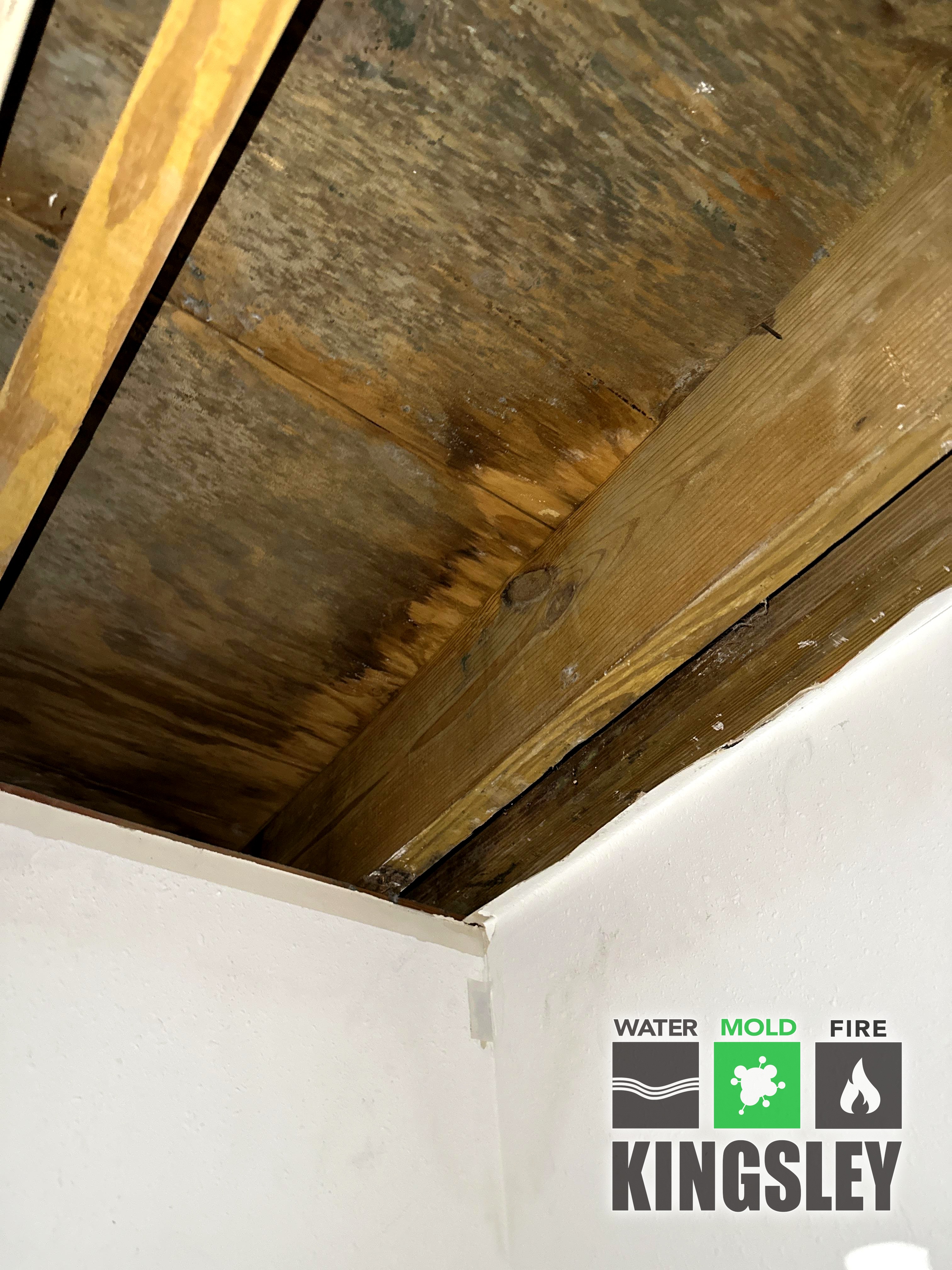
Kingsley water damage & Fire cleanup handled ceiling mold patch remediation in Summerville, SC after surface mold on a ceiling from overhead moisture. We began with a room-by-room and assembly-level inspection of the interior ceiling surface, documenting a clear mold patch on the ceiling finish marking the wet footprint above. That visual and instrument check — not a guess from the hallway — defined where finishes had to open, what could stay, and where drying equipment had to aim. the home needed source control, selective removal of non-salvageable wet or contaminated material, and verified drying of what remained.

During mitigation we controlled the work zone so debris and moisture did not track into clean rooms. Where finishes blocked drying, we opened only the wet footprint shown by meters and the photo record. Contaminated or saturated materials were bagged and removed; salvageable framing and sheathing were cleaned and treated with an EPA-registered antimicrobial when staining or microbial growth warranted it. HEPA vacuuming and careful handling limited dust from demo. The unique on-site detail that guided this file was a clear mold patch on the ceiling finish marking the wet footprint above — that condition stayed in the documentation so the homeowner and any follow-on trade could see exactly what drove the scope in Summerville.

IICRC water-damage and mold-remediation practice prioritizes stop-the-source, remove what cannot be dried in place, clean and treat remaining structures, then dry to target with measured air movement and dehumidification. We placed air movers and/or dehumidifiers to match the wet assembly, ran equipment under monitoring, and rechecked moisture within the first week of mitigation rather than leaving gear unattended for an open-ended stretch. Skipping that short monitoring window is how a straightforward wet call becomes secondary damage in adjoining cavities.

As readings stabilized and the work area met a clean, dry condition, we demobilized equipment and left the interior ceiling surface ready for any needed rebuild of finishes. Photo documentation of the mitigation state stayed with the claim file. If you notice musty odors, spotting on wood, or staining at cabinets, vents, or window sills in Summerville, have the moisture source and affected materials inspected before finishes hide the growth path.

IICRC water-damage and mold-remediation practice prioritizes stop the moisture source, remove what cannot be dried in place, clean and treat remaining structures, then dry to target with measured air movement and dehumidification. On this Summerville file we ran air movers and dehumidifiers against the wet assembly under monitoring and rechecked moisture on a 3–7 day drying calendar—never past about a week. Skipping that short window is how secondary damage or musty odor returns after finishes go back up.

As readings stabilized within that first-week window, equipment came out and the work area was left ready for any needed rebuild. Photo documentation of the mitigation state stayed with the job file. Helpful takeaway: If you notice musty odors, spotting on wood, or staining at cabinets, vents, or window sills in Summerville, have the moisture source and affected materials inspected before finishes hide the growth path.

Homeowners comparing ceiling mold patch remediation options in the Summerville area should expect a written moisture map, selective removal instead of full tear-out when meters allow, and a clear end point when materials hit dry goal—not an open-ended equipment rental. Kingsley water damage & Fire cleanup follows that measured approach so rebuild decisions rest on documented conditions rather than a calendar guess.

September 10, 2026 | Summerville, SC

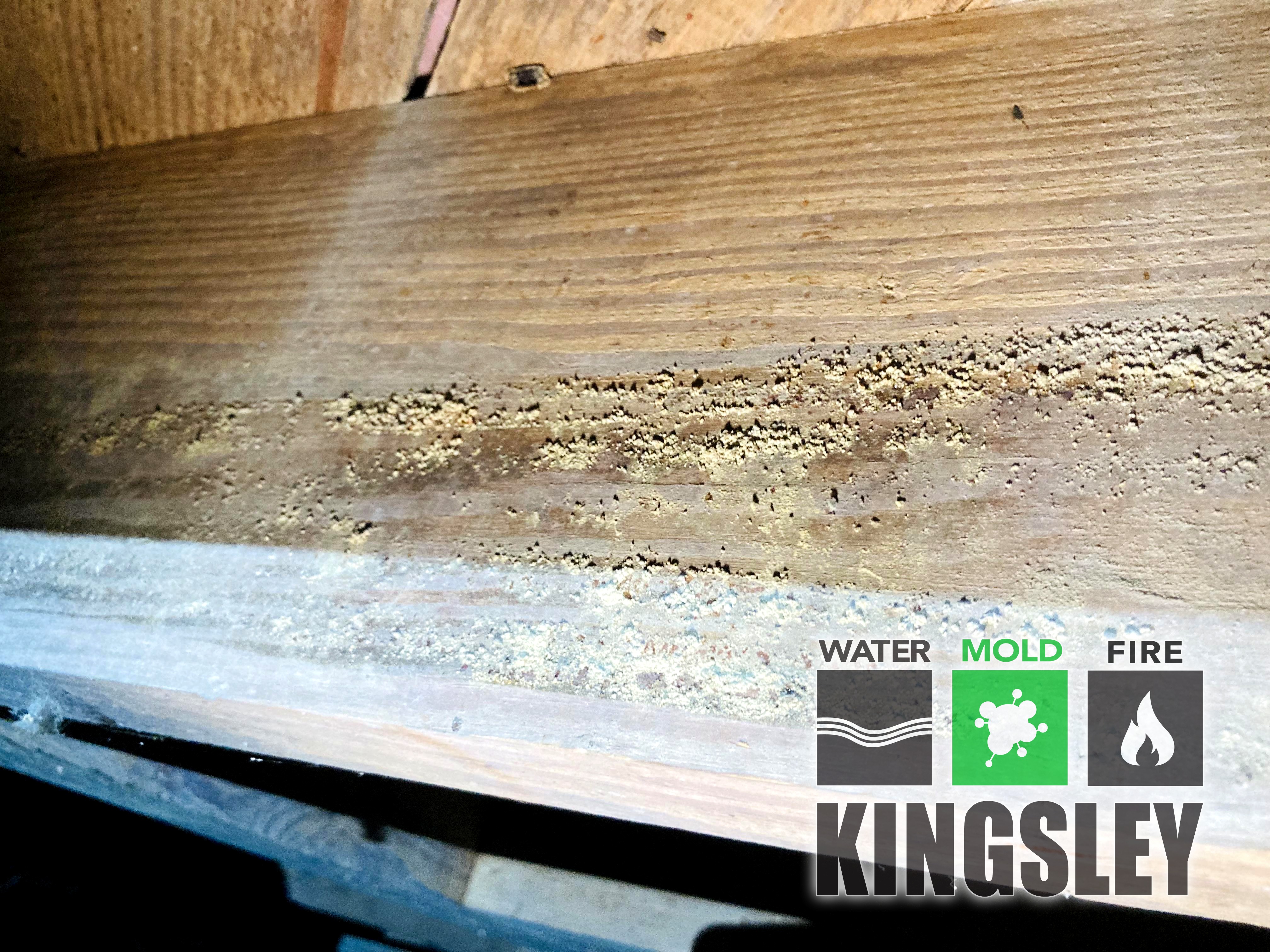
Kingsley water damage & Fire cleanup handled structural beam mold remediation in Summerville, SC after active mold colonization on structural lumber. We began with a room-by-room and assembly-level inspection of the exposed structural beam, documenting fuzzy white/grey mold growth across a structural beam face. That visual and instrument check — not a guess from the hallway — defined where finishes had to open, what could stay, and where drying equipment had to aim. the home needed source control, selective removal of non-salvageable wet or contaminated material, and verified drying of what remained.

During mitigation we controlled the work zone so debris and moisture did not track into clean rooms. Where finishes blocked drying, we opened only the wet footprint shown by meters and the photo record. Contaminated or saturated materials were bagged and removed; salvageable framing and sheathing were cleaned and treated with an EPA-registered antimicrobial when staining or microbial growth warranted it. HEPA vacuuming and careful handling limited dust from demo. The unique on-site detail that guided this file was fuzzy white/grey mold growth across a structural beam face — that condition stayed in the documentation so the homeowner and any follow-on trade could see exactly what drove the scope in Summerville.

IICRC water-damage and mold-remediation practice prioritizes stop-the-source, remove what cannot be dried in place, clean and treat remaining structures, then dry to target with measured air movement and dehumidification. We placed air movers and/or dehumidifiers to match the wet assembly, ran equipment under monitoring, and rechecked moisture within the first week of mitigation rather than leaving gear unattended for an open-ended stretch. Skipping that short monitoring window is how a straightforward wet call becomes secondary damage in adjoining cavities.

As readings stabilized and the work area met a clean, dry condition, we demobilized equipment and left the exposed structural beam ready for any needed rebuild of finishes. Photo documentation of the mitigation state stayed with the claim file. If you notice musty odors, spotting on wood, or staining at cabinets, vents, or window sills in Summerville, have the moisture source and affected materials inspected before finishes hide the growth path.

IICRC water-damage and mold-remediation practice prioritizes stop the moisture source, remove what cannot be dried in place, clean and treat remaining structures, then dry to target with measured air movement and dehumidification. On this Summerville file we ran air movers and dehumidifiers against the wet assembly under monitoring and rechecked moisture on a 3–7 day drying calendar—never past about a week. Skipping that short window is how secondary damage or musty odor returns after finishes go back up.

As readings stabilized within that first-week window, equipment came out and the work area was left ready for any needed rebuild. Photo documentation of the mitigation state stayed with the job file. Helpful takeaway: If you notice musty odors, spotting on wood, or staining at cabinets, vents, or window sills in Summerville, have the moisture source and affected materials inspected before finishes hide the growth path.

Homeowners comparing structural beam mold remediation options in the Summerville area should expect a written moisture map, selective removal instead of full tear-out when meters allow, and a clear end point when materials hit dry goal—not an open-ended equipment rental. Kingsley water damage & Fire cleanup follows that measured approach so rebuild decisions rest on documented conditions rather than a calendar guess.

September 09, 2026 | Summerville, SC

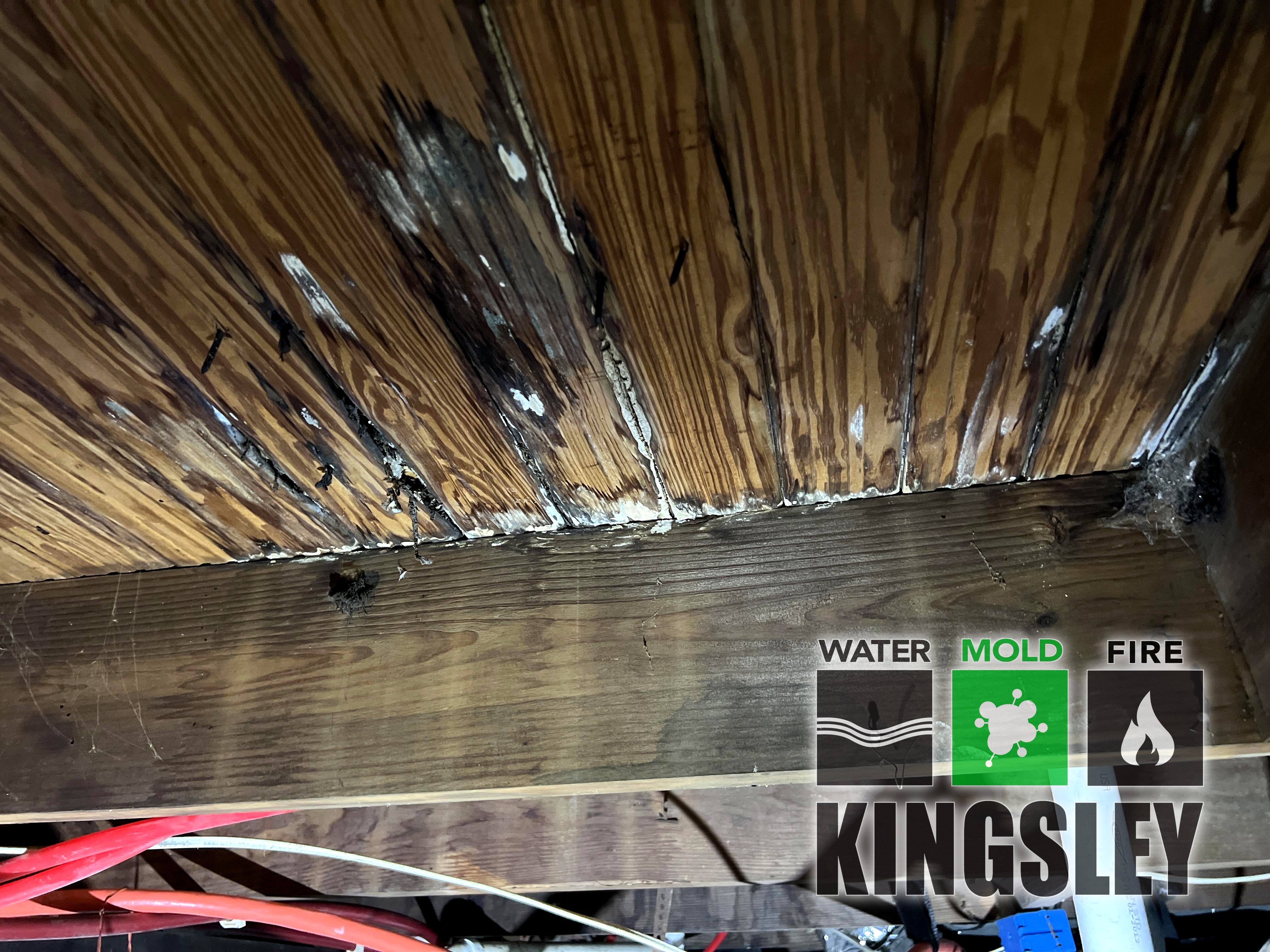
Kingsley water damage & Fire cleanup handled crawlspace subfloor mold and water cleanup in Summerville, SC after moisture and mold on the underside of the subfloor. We began with a room-by-room and assembly-level inspection of the crawlspace underside of the floor system, documenting dark saturated stains and white fuzzy growth along subfloor plank seams at a horizontal joist, with red/white hoses bundled below. That visual and instrument check — not a guess from the hallway — defined where finishes had to open, what could stay, and where drying equipment had to aim. the home needed source control, selective removal of non-salvageable wet or contaminated material, and verified drying of what remained.

During mitigation we controlled the work zone so debris and moisture did not track into clean rooms. Where finishes blocked drying, we opened only the wet footprint shown by meters and the photo record. Contaminated or saturated materials were bagged and removed; salvageable framing and sheathing were cleaned and treated with an EPA-registered antimicrobial when staining or microbial growth warranted it. HEPA vacuuming and careful handling limited dust from demo. The unique on-site detail that guided this file was dark saturated stains and white fuzzy growth along subfloor plank seams at a horizontal joist, with red/white hoses bundled below — that condition stayed in the documentation so the homeowner and any follow-on trade could see exactly what drove the scope in Summerville.

IICRC water-damage and mold-remediation practice prioritizes stop-the-source, remove what cannot be dried in place, clean and treat remaining structures, then dry to target with measured air movement and dehumidification. We placed air movers and/or dehumidifiers to match the wet assembly, ran equipment under monitoring, and rechecked moisture within the first week of mitigation rather than leaving gear unattended for an open-ended stretch. Skipping that short monitoring window is how a straightforward wet call becomes secondary damage in adjoining cavities.

As readings stabilized and the work area met a clean, dry condition, we demobilized equipment and left the crawlspace underside of the floor system ready for any needed rebuild of finishes. Photo documentation of the mitigation state stayed with the claim file. If you notice musty odors, spotting on wood, or staining at cabinets, vents, or window sills in Summerville, have the moisture source and affected materials inspected before finishes hide the growth path.

IICRC water-damage and mold-remediation practice prioritizes stop the moisture source, remove what cannot be dried in place, clean and treat remaining structures, then dry to target with measured air movement and dehumidification. On this Summerville file we ran air movers and dehumidifiers against the wet assembly under monitoring and rechecked moisture on a 3–7 day drying calendar—never past about a week. Skipping that short window is how secondary damage or musty odor returns after finishes go back up.

As readings stabilized within that first-week window, equipment came out and the work area was left ready for any needed rebuild. Photo documentation of the mitigation state stayed with the job file. Helpful takeaway: If you notice musty odors, spotting on wood, or staining at cabinets, vents, or window sills in Summerville, have the moisture source and affected materials inspected before finishes hide the growth path.

Homeowners comparing crawlspace subfloor mold and water cleanup options in the Summerville area should expect a written moisture map, selective removal instead of full tear-out when meters allow, and a clear end point when materials hit dry goal—not an open-ended equipment rental. Kingsley water damage & Fire cleanup follows that measured approach so rebuild decisions rest on documented conditions rather than a calendar guess.

September 04, 2026 | Summerville, SC

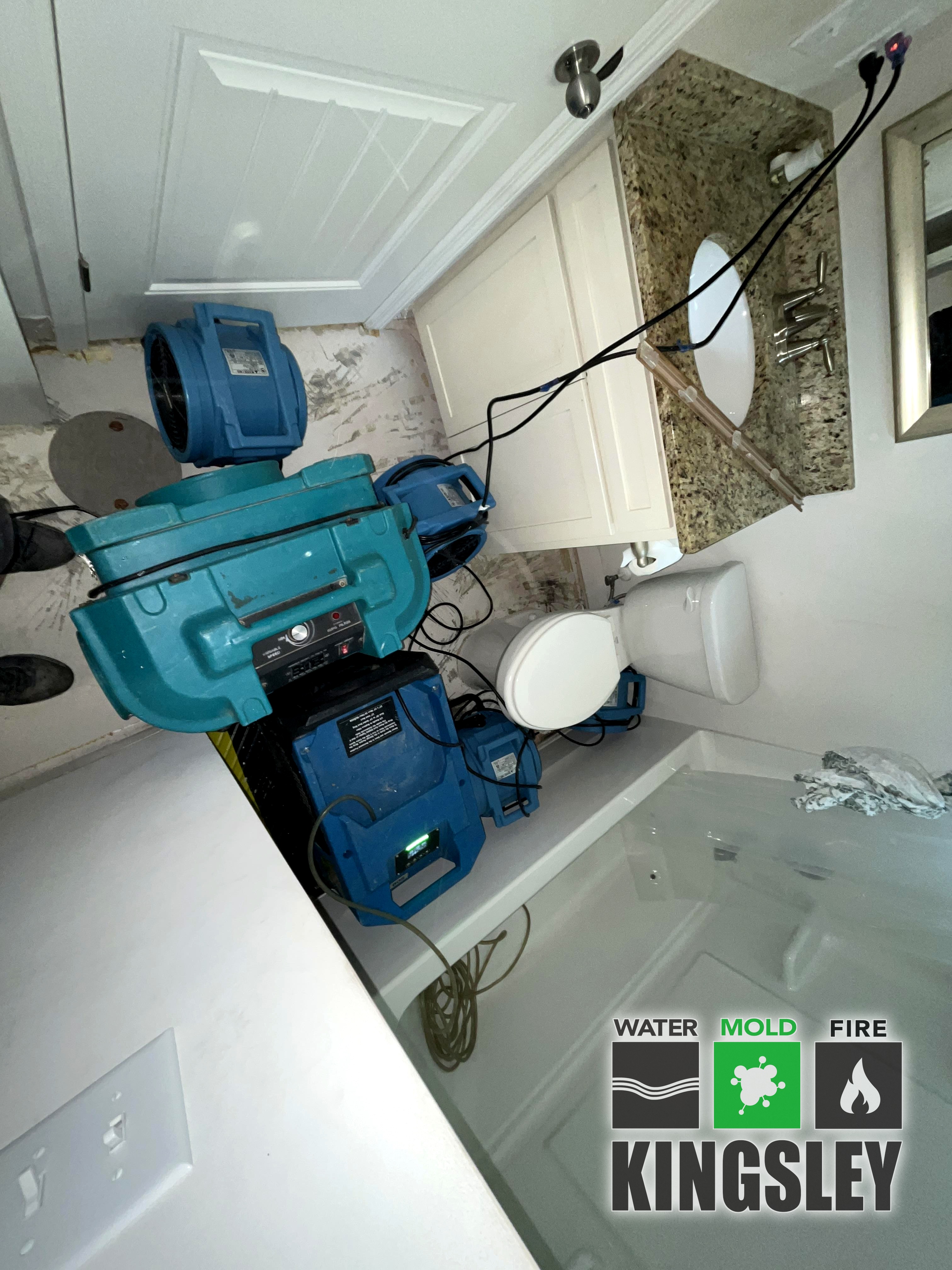
In Summerville, SC, Kingsley water damage & Fire cleanup performed hardwood structural drying with air movers after documenting blue air movers on flooring during structural drying during the initial condition check. That photo-backed condition check defined where finishes had to open, what could stay, and where drying equipment had to aim. The home needed source control, selective removal of non-salvageable wet or contaminated material, and verified drying of what remained in Summerville. We labeled the wet edge on the sketch so later visits matched day-one photos.

During mitigation we controlled the work zone so debris did not track into clean rooms. Where finishes blocked drying, we opened only the wet footprint shown by meters and the photo record. Non-salvageable saturated material was bagged and removed; salvageable framing and sheathing were cleaned. HEPA vacuuming and careful handling limited dust from demo. The unique on-site detail that guided this Summerville file was blue air movers on flooring during structural drying. Contents near the work path were shifted or protected before tools came out.

IICRC water-damage practice prioritizes stop the moisture source, remove what cannot be dried in place, clean remaining structures, then dry to target with measured air movement and dehumidification. We placed air movers and dehumidifiers to match the wet assembly, aimed airflow along the wet materials in the photo, and rechecked moisture on a 3–7 day drying calendar with overnight humidity checks—never past about a week. Quiet work windows were held where the household schedule required it, without stretching past that first-week ceiling. Skipping that short monitoring window is how a straightforward wet call becomes secondary damage or a musty return odor in Summerville.

As readings stabilized within that first-week window, we demobilized equipment and left the work area ready for any needed rebuild of finishes or insulation. Photo documentation of the mitigation state stayed with the job file for the Summerville property, including the same angle that showed blue air movers on flooring during structural drying. Helpful takeaway: If flooring feels soft, edges cup, or a stain keeps spreading in Summerville, stop walking the wet zone and request moisture mapping before new finishes go down.

Homeowners comparing hardwood structural drying with air movers options in the Summerville area should expect a written moisture map, selective removal instead of full tear-out when meters allow, and a clear end point when materials hit dry goal—not an open-ended equipment rental. Kingsley water damage & Fire cleanup follows that measured approach so rebuild decisions rest on documented conditions rather than a calendar guess.

When rebuild starts, keep the dry-standard notes handy for flooring, cabinet, or insulation trades so no one closes a cavity that still reads wet. That handoff is part of finishing hardwood structural drying with air movers correctly in Summerville after mitigation. Throughout the job we kept communication practical: what was wet, what was removed, what was drying, and when meters said the assembly met goal—without inventing a multi-week timeline.

For this Summerville stop, the close-out standard stayed simple: meters at goal, photo set filed, and no equipment left running past the 3–7 day band.

November 03, 2025 | Summerville, SC

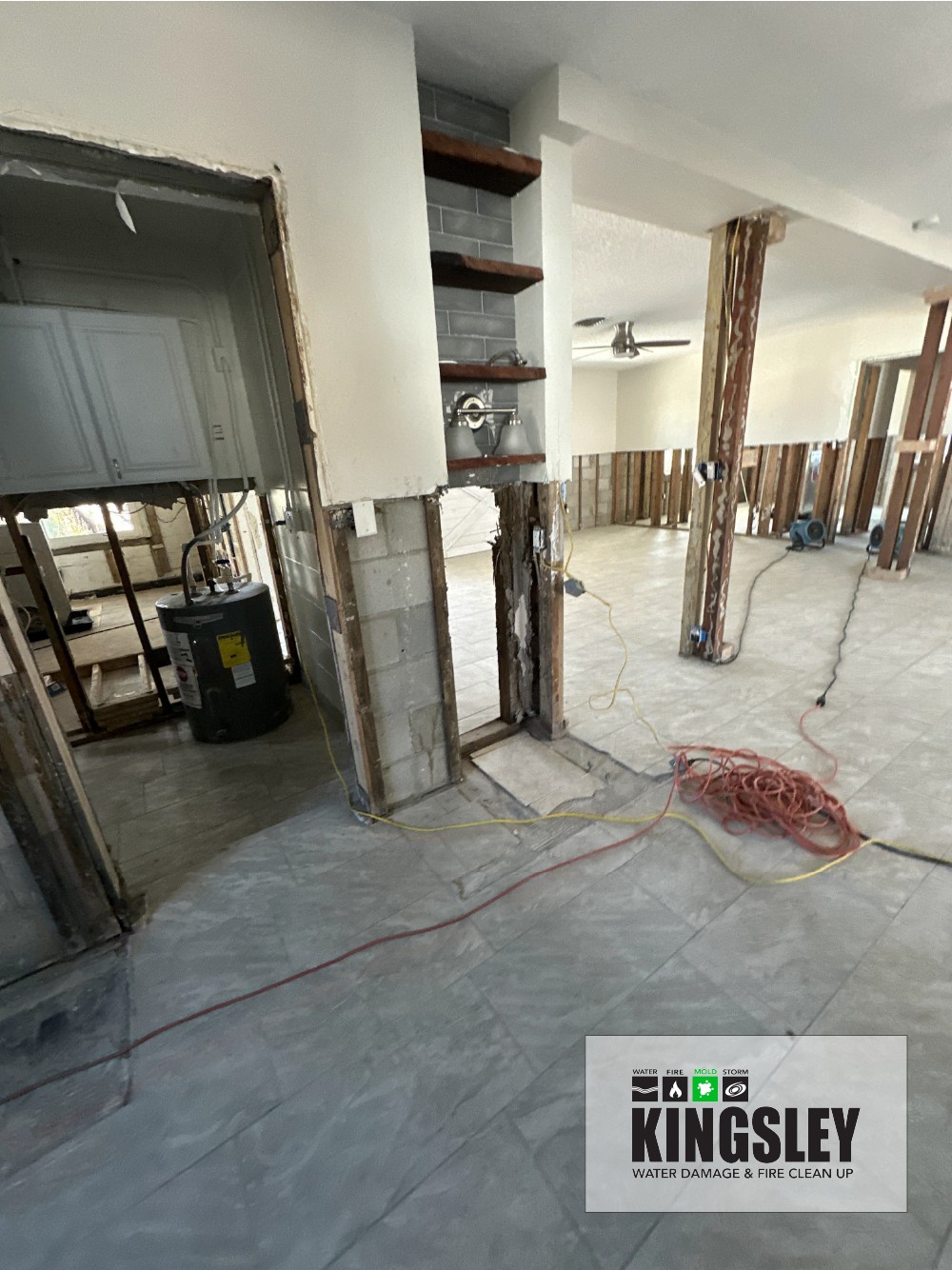
Water Mitigation Emergency Response Setup in Summerville.

October 08, 2025 | Summerville, SC

Fire and Water Remediation in Summerville.

July 01, 2024 | Summerville, SC

Busted Bathroom Sink Supply Line in Summerville.