BEST Water & Fire Damage Restoration in Pine Ridge, SC

All Damage Restoration Companies Are The Same, Right? Think Again

  • Immediate Dispatch- Calls Answered Live
  • Insurance Damage Repair Specialists
  • No Money Upfront- Direct Bill Insurance
  • 440+ five-star Google reviews
  • All Work Guaranteed
803-590-0370
Water Damage Repair in Pine Ridge, SC

What to do right now

Active leak or standing water? Start here--simple steps that protect people and property without boxing you into a vendor list.

  1. Stop the water if you can (shutoff) and stay safe.
  2. Call us for a free phone consult -- we dispatch immediately on emergencies and tell you whether your next call should be a plumber, your insurance company, or neither. 803-590-0370
  3. You choose your contractor. Preferred-vendor lists are optional; you're not required to use them.

Your choice, your advocate. Kingsley Water Damage & Fire Cleanup is independent--we document thoroughly, work with carriers daily, and put your property first. Preferred lists don't override your right to hire who you trust.

803-590-0370

How water damage restoration works in Pine Ridge

  1. Inspect & moisture-map (including crawlspaces common in older Pine Ridge homes)
  2. Stop or contain the source
  3. Extract standing water; remove unsalvable materials when required
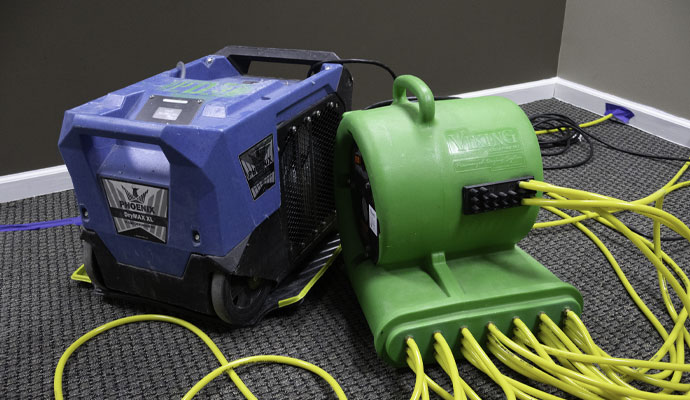
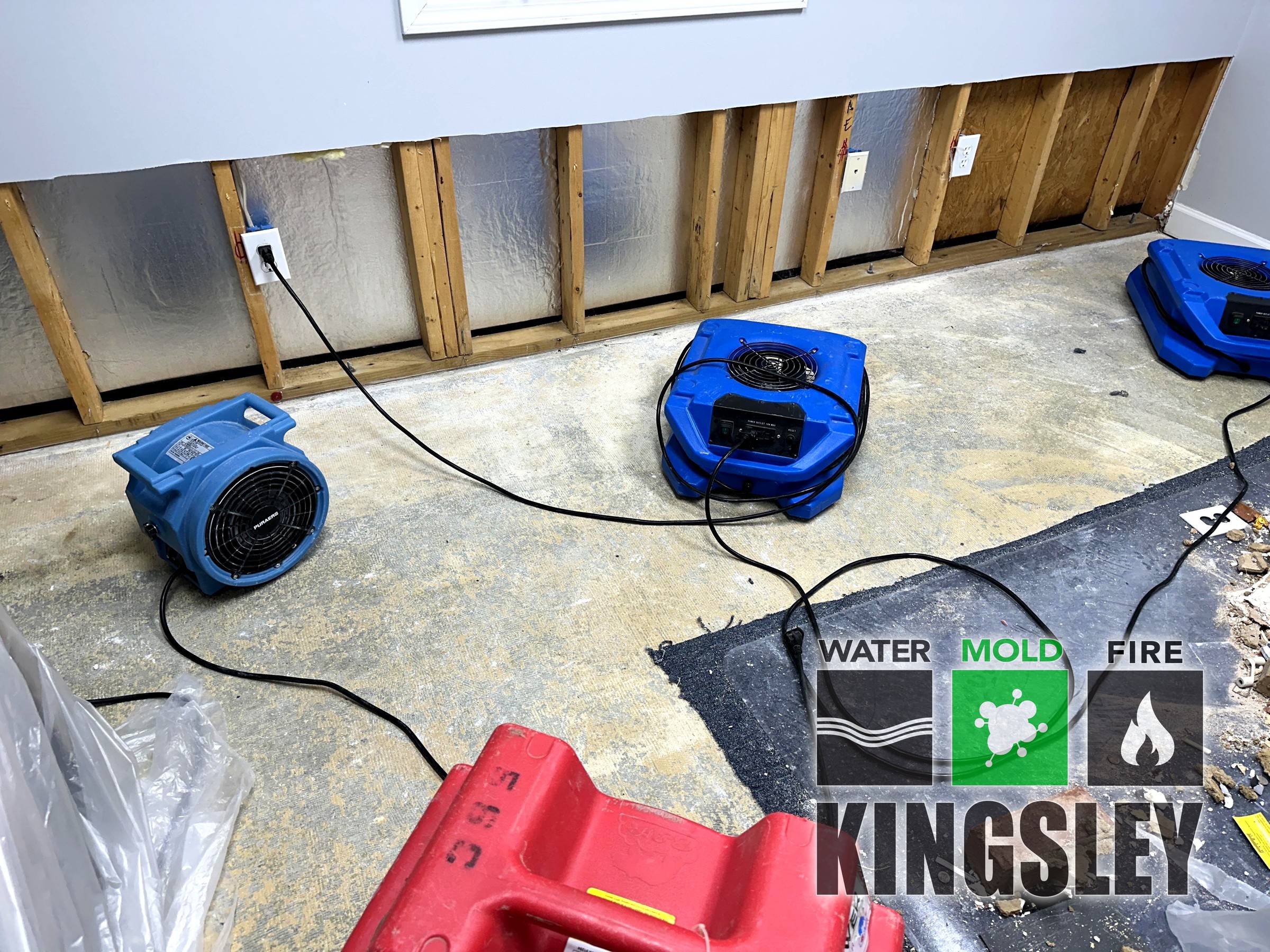
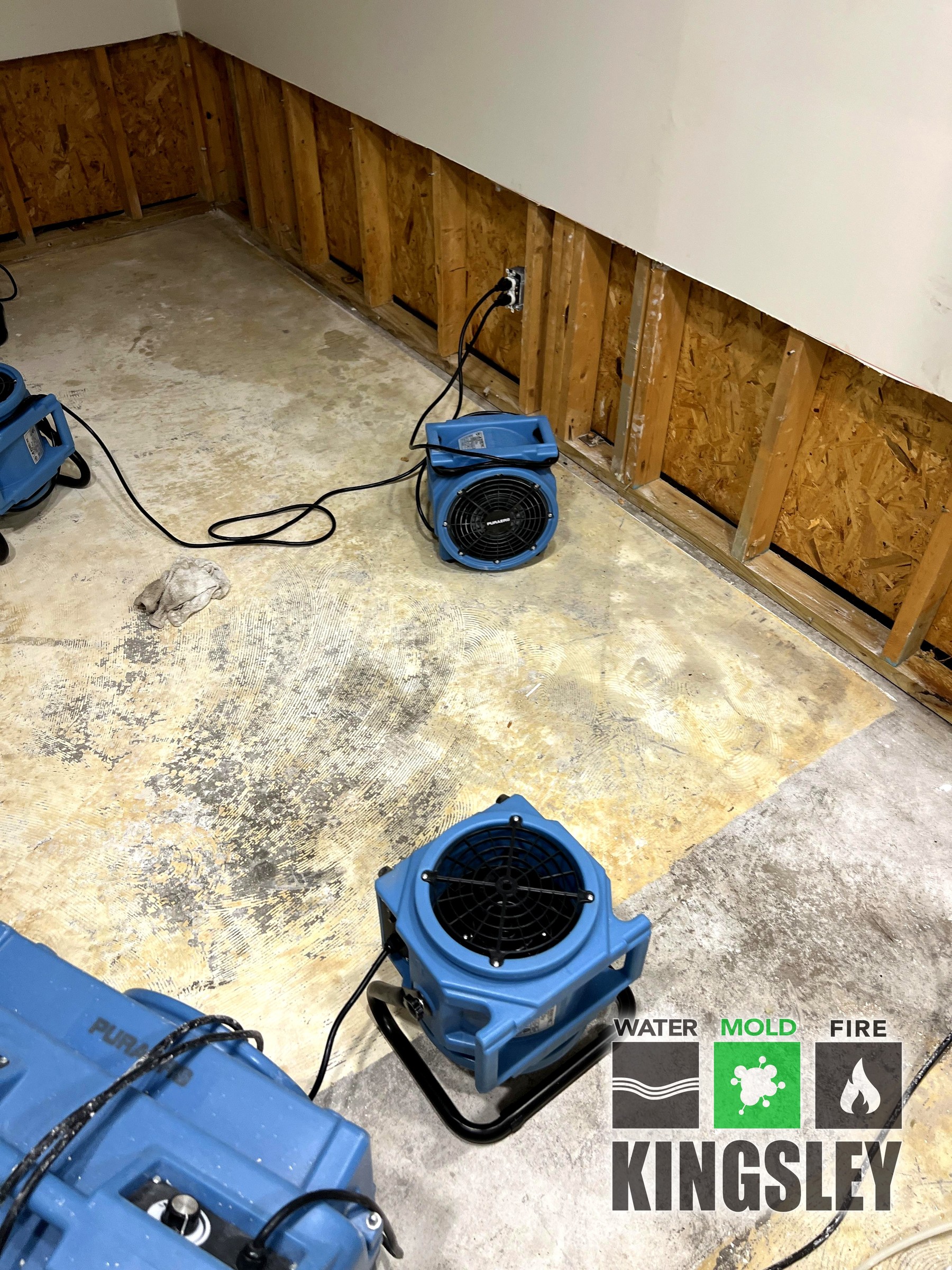
  4. Dry with air movers/dehumidifiers to target readings
  5. Clean, sanitize, restore finishes

Average residential extraction/drying: about 3-7 days. Historic plaster or hardwood may need gentler, longer monitored dry paths than modern drywall--still within a disciplined meter-based plan. Our methods align with IICRC restoration standards.

Pine Ridge's density helps response time; humidity still sets the drying physics. We size equipment to the grain reading, not the square footage guess, and we do not release flooring for replacement until moisture goals are met--keeping most standard jobs in the 3-7 day mitigation window.

When a kitchen or electrical fire leaves openings to weather, we coordinate emergency board-up alongside water mitigation so secondary rain and humidity do not compound the loss.

Why Choose Kingsley Water Damage & Fire Cleanup?
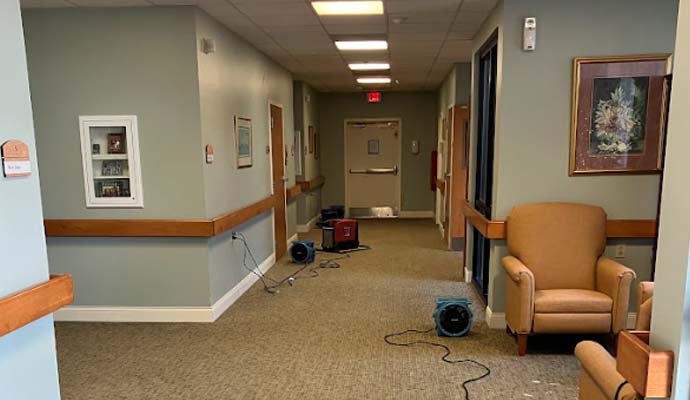
Kingsley water damage restoration process
  • Unmatched Service Quality: 440+ five-star Google reviews. We accept all insurance but operate independently--your needs stay the top priority.
  • Transparent Estimates Without Pressure: Clear water damage scopes and documentation so you can decide without high-pressure sales tactics.
  • Round-the-Clock Emergency Response: Rain, sleet, hail, or pipe burst--our 24-hour team is ready for Pine Ridge emergencies.
  • Direct Bill Insurance: We bill carriers when the claim allows, so you aren't stuck fronting the whole mitigation bill.

Local Expertise for Pine Ridge Residents

As a locally owned Midlands company, we know crawlspaces, plaster, and humidity here. After soot or musty odor events, many homes also benefit from air duct cleaning. When growth is suspected but not obvious, mold testing helps scope work before remediation.

Your Partner in Property Restoration

Kingsley Water Damage & Fire Cleanup partners with Pine Ridge homeowners and businesses from first call through verified dry-down. Storm cleanup, mold concerns, or everyday leaks--we bring local knowledge and a community-first approach to every project.

Sorting flood vs. homeowners coverage? Review Ready.gov flood guidance and FloodSmart.gov for plain-language basics--we document the loss; your carrier confirms coverage.

Fire, smoke & mold in the capital city

Dense housing and restaurant corridors mean kitchen and electrical fires need fast board-up so the structure is weather-tight, plus thorough smoke & soot control so odor does not migrate through shared walls and HVAC. Mold calls often trace to prior wet events or chronic crawlspace moisture after incomplete drying.

For homeowner-facing mold basics, see the EPA mold guidance.

Areas we serve around Pine Ridge

  • Vista
  • Forest Acres
  • Two Notch
  • Devine Street
  • Shandon
  • Northeast Pine Ridge

Call 803-590-0370 for dispatch anywhere in this corridor.

Frequently Asked Questions -- Pine Ridge, SC

Most residential extraction and structural drying averages about 3-7 days with monitoring. Historic materials and Category 3 water can change the path. Rebuild is scheduled after drying goals. Our methods align with IICRC restoration standards for moisture mapping and verified drying.

Yes--Pine Ridge and the Midlands are our core market. Call 803-590-0370 for 24/7 response across Forest Acres, St. Andrews, downtown, and surrounding cities.

Usually you may choose your contractor. Preferred-vendor lists are optional. We document thoroughly and work with carriers daily; your policy controls network rules.

Yes. Category 3 losses need removal and cleaning protocols beyond ordinary clean-water drying. See sewage removal for detail.

Find the moisture driver, contain when needed, remove affected materials properly, and dry. Surface products alone are not a remediation plan.

Yes. Downtown offices and retail get the same containment discipline as homes. Our commercial fire teams focus on documentation so businesses can reopen sooner.

Not necessarily. Call us for a free phone consult first--we dispatch on emergencies and help you decide whether your next call should be a plumber, your insurance company, or neither. You still choose your contractor.

Need help at a Pine Ridge property? Call 803-590-0370 or use our contact page. Office: 3031 Scotsman Rd Suite 16, Pine Ridge, SC 29223 · 803-590-0370.
Our customers love us!

See All 439 Reviews
Customer Reviews from Pine Ridge and Surrounding Areas ( 5
from 12 reviews )

Happy Customers across Pine Ridge and Surrounding Areas

Completed Jobs from Pine Ridge and Surrounding Areas

See All

February 17, 2022 | Gaston, SC

Leak and Water Damage Recovery in Gaston.

June 09, 2022 | Springdale, SC

Kingsley water damage & Fire cleanup provided emergency water cleanup in Springdale, SC after standing water or a sudden leak affected the home. Day-one work removes liquid water, protects dry rooms, and builds a wet map so demolition stays limited. Families keep using dry parts of the house while the wet footprint stays isolated.

Mitigation steps stay in homeowner language: contain the mess, open only what inspection supports, remove what will not dry, and clean or treat what can remain. HEPA filtration supports air cleaning when dust or microbial particles are a concern. Daily updates name the rooms still wet and why machines are still on site—no unexplained jargon wall. If children or pets use the home, we talk through temporary barriers and which doors should stay closed while airflow is balanced.

Drying follows a practical IICRC-oriented order: extract, move air, dehumidify, and monitor until readings support releasing equipment. Typical occupied homes in the Midlands finish structural drying inside a 3–7 day window. Cool crawls, wall cavities, and humid stretches can need the later days; we say so before extending. We will not pack up on day two if meters still show wet materials. Mid-job visits adjust vent counts and dehumidifier settings when outdoor humidity or construction details stall progress.

Contents handling is deliberate. Wet textiles move to a drying path or pack-out decision; furniture feet get blocks on wet carpet; important documents and medications leave the wet zone in a labeled bin you keep. Electronics on wet flooring are unplugged and elevated—we do not power-test them in standing moisture. These steps sound small and prevent a second wave of damage while structural drying continues.

Close-out is a plain walkthrough of what dried, what was removed, and what rebuild steps remain. Keep HVAC from blowing moist air into dry rooms while machines run. If anything rewets, call early so the drying window is not lost. A short written summary of rooms and equipment helps you update insurance without replaying every visit from memory.

Equipment placement tries to leave bedrooms and kitchens usable when the wet map allows. Cord runs and condensate drains are planned so tanks do not overflow while you are at work. If HOA gates, narrow drives, or shared crawls affect staging in Springdale, share that on the first call so the truck arrives ready. Neighbor notices matter on duplex and townhome hatches.

Kingsley water damage & Fire cleanup uses 3031 Scotsman Rd Suite 16, Columbia, SC 29223 for Midlands paperwork and 803-590-0370 for live dispatch. You choose the contractor; preferred lists are optional. We document for carriers when you authorize it and direct-bill when the policy allows. Where detailed photo logs for this older job are thin, this page describes the standard mitigation approach for this loss type in Springdale without inventing claim numbers, meter digits, or crew names.

If rebuild trades follow mitigation, we leave surfaces accessible and share moisture notes so flooring or drywall work does not trap leftover dampness. That handoff is part of finishing strong in the Midlands humidity cycle.

October 05, 2022 | Gaston, SC

Water Damage Restoration in Gaston.

November 01, 2022 | West Columbia, SC

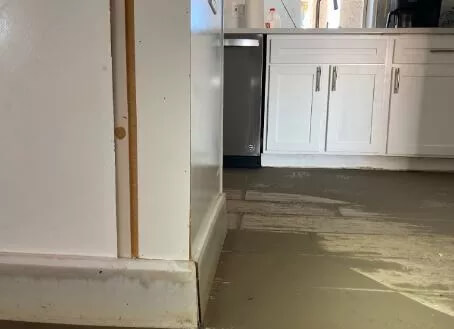
Kingsley water damage & Fire cleanup mitigated plumbing water damage in West Columbia, SC after a supply or fixture failure wet finished areas. With the source controlled, we extract, map baseboards and toe-kicks, and open only materials that block airflow. Bath walls and cabinet bases are common leftover-moisture traps on Midlands plumbing calls.

Mitigation steps stay in homeowner language: contain the mess, open only what inspection supports, remove what will not dry, and clean or treat what can remain. HEPA filtration supports air cleaning when dust or microbial particles are a concern. Daily updates name the rooms still wet and why machines are still on site—no unexplained jargon wall. If children or pets use the home, we talk through temporary barriers and which doors should stay closed while airflow is balanced.

Drying follows a practical IICRC-oriented order: extract, move air, dehumidify, and monitor until readings support releasing equipment. Typical occupied homes in the Midlands finish structural drying inside a 3–7 day window. Cool crawls, wall cavities, and humid stretches can need the later days; we say so before extending. We will not pack up on day two if meters still show wet materials. Mid-job visits adjust vent counts and dehumidifier settings when outdoor humidity or construction details stall progress.

Contents handling is deliberate. Wet textiles move to a drying path or pack-out decision; furniture feet get blocks on wet carpet; important documents and medications leave the wet zone in a labeled bin you keep. Electronics on wet flooring are unplugged and elevated—we do not power-test them in standing moisture. These steps sound small and prevent a second wave of damage while structural drying continues.

Close-out is a plain walkthrough of what dried, what was removed, and what rebuild steps remain. Keep HVAC from blowing moist air into dry rooms while machines run. If anything rewets, call early so the drying window is not lost. A short written summary of rooms and equipment helps you update insurance without replaying every visit from memory.

Equipment placement tries to leave bedrooms and kitchens usable when the wet map allows. Cord runs and condensate drains are planned so tanks do not overflow while you are at work. If HOA gates, narrow drives, or shared crawls affect staging in West Columbia, share that on the first call so the truck arrives ready. Neighbor notices matter on duplex and townhome hatches.

Kingsley water damage & Fire cleanup uses 3031 Scotsman Rd Suite 16, Columbia, SC 29223 for Midlands paperwork and 803-590-0370 for live dispatch. You choose the contractor; preferred lists are optional. We document for carriers when you authorize it and direct-bill when the policy allows. Where detailed photo logs for this older job are thin, this page describes the standard mitigation approach for this loss type in West Columbia without inventing claim numbers, meter digits, or crew names.

If rebuild trades follow mitigation, we leave surfaces accessible and share moisture notes so flooring or drywall work does not trap leftover dampness. That handoff is part of finishing strong in the Midlands humidity cycle.

February 07, 2025 | West Columbia, SC

Kingsley water damage & Fire cleanup handled mold-related work in West Columbia, SC after moisture left growth or air concerns on real building materials. Inspection comes first: attic sheathing, crawl framing, cabinet interiors, or wall cavities get a documented look so scope matches what is present. Containment goes up when demolition dust or spores could travel into clean rooms. West Columbia homeowners get a plain explanation of what stays, what goes, and why—not a mystery checklist.

Mitigation steps stay in homeowner language: contain the mess, open only what inspection supports, remove what will not dry, and clean or treat what can remain. HEPA filtration supports air cleaning when dust or microbial particles are a concern. Daily updates name the rooms still wet and why machines are still on site—no unexplained jargon wall. If children or pets use the home, we talk through temporary barriers and which doors should stay closed while airflow is balanced.

Drying follows a practical IICRC-oriented order: extract, move air, dehumidify, and monitor until readings support releasing equipment. Typical occupied homes in the Midlands finish structural drying inside a 3–7 day window. Cool crawls, wall cavities, and humid stretches can need the later days; we say so before extending. We will not pack up on day two if meters still show wet materials. Mid-job visits adjust vent counts and dehumidifier settings when outdoor humidity or construction details stall progress.

Contents handling is deliberate. Wet textiles move to a drying path or pack-out decision; furniture feet get blocks on wet carpet; important documents and medications leave the wet zone in a labeled bin you keep. Electronics on wet flooring are unplugged and elevated—we do not power-test them in standing moisture. These steps sound small and prevent a second wave of damage while structural drying continues.

Close-out shows what was cleaned or removed and flags any roof, plumbing, or humidity source that still needs another trade. We do not invent square footage. For West Columbia homes, fixing the water path first is the takeaway—otherwise growth conversations restart after the next humid week.

Equipment placement tries to leave bedrooms and kitchens usable when the wet map allows. Cord runs and condensate drains are planned so tanks do not overflow while you are at work. If HOA gates, narrow drives, or shared crawls affect staging in West Columbia, share that on the first call so the truck arrives ready. Neighbor notices matter on duplex and townhome hatches.

Kingsley water damage & Fire cleanup uses 3031 Scotsman Rd Suite 16, Columbia, SC 29223 for Midlands paperwork and 803-590-0370 for live dispatch. You choose the contractor; preferred lists are optional. We document for carriers when you authorize it and direct-bill when the policy allows. Where detailed photo logs for this older job are thin, this page describes the standard mitigation approach for this loss type in West Columbia without inventing claim numbers, meter digits, or crew names.

If rebuild trades follow mitigation, we leave surfaces accessible and share moisture notes so flooring or drywall work does not trap leftover dampness. That handoff is part of finishing strong in the Midlands humidity cycle.

June 14, 2025 | Springdale, SC

Kingsley water damage & Fire cleanup traced ceiling moisture in Springdale, SC through the stained assembly and any accessible attic or HVAC chase. We document the pattern, check insulation, and confirm whether water is still active before opening finishes. Isolating the wet footprint keeps dry bedrooms from picking up humidity while equipment runs through the drying window.

Mitigation steps stay in homeowner language: contain the mess, open only what inspection supports, remove what will not dry, and clean or treat what can remain. HEPA filtration supports air cleaning when dust or microbial particles are a concern. Daily updates name the rooms still wet and why machines are still on site—no unexplained jargon wall. If children or pets use the home, we talk through temporary barriers and which doors should stay closed while airflow is balanced.

Drying follows a practical IICRC-oriented order: extract, move air, dehumidify, and monitor until readings support releasing equipment. Typical occupied homes in the Midlands finish structural drying inside a 3–7 day window. Cool crawls, wall cavities, and humid stretches can need the later days; we say so before extending. We will not pack up on day two if meters still show wet materials. Mid-job visits adjust vent counts and dehumidifier settings when outdoor humidity or construction details stall progress.

Contents handling is deliberate. Wet textiles move to a drying path or pack-out decision; furniture feet get blocks on wet carpet; important documents and medications leave the wet zone in a labeled bin you keep. Electronics on wet flooring are unplugged and elevated—we do not power-test them in standing moisture. These steps sound small and prevent a second wave of damage while structural drying continues.

Close-out is a plain walkthrough of what dried, what was removed, and what rebuild steps remain. Keep HVAC from blowing moist air into dry rooms while machines run. If anything rewets, call early so the drying window is not lost. A short written summary of rooms and equipment helps you update insurance without replaying every visit from memory.

Equipment placement tries to leave bedrooms and kitchens usable when the wet map allows. Cord runs and condensate drains are planned so tanks do not overflow while you are at work. If HOA gates, narrow drives, or shared crawls affect staging in Springdale, share that on the first call so the truck arrives ready. Neighbor notices matter on duplex and townhome hatches.

Kingsley water damage & Fire cleanup uses 3031 Scotsman Rd Suite 16, Columbia, SC 29223 for Midlands paperwork and 803-590-0370 for live dispatch. You choose the contractor; preferred lists are optional. We document for carriers when you authorize it and direct-bill when the policy allows. Where detailed photo logs for this older job are thin, this page describes the standard mitigation approach for this loss type in Springdale without inventing claim numbers, meter digits, or crew names.

If rebuild trades follow mitigation, we leave surfaces accessible and share moisture notes so flooring or drywall work does not trap leftover dampness. That handoff is part of finishing strong in the Midlands humidity cycle.

November 11, 2025 | West Columbia, SC

Kingsley water damage & Fire cleanup provided emergency water cleanup in West Columbia, SC after standing water or a sudden leak affected the home. Day-one work removes liquid water, protects dry rooms, and builds a wet map so demolition stays limited. Families keep using dry parts of the house while the wet footprint stays isolated.

Mitigation steps stay in homeowner language: contain the mess, open only what inspection supports, remove what will not dry, and clean or treat what can remain. HEPA filtration supports air cleaning when dust or microbial particles are a concern. Daily updates name the rooms still wet and why machines are still on site—no unexplained jargon wall. If children or pets use the home, we talk through temporary barriers and which doors should stay closed while airflow is balanced.

Drying follows a practical IICRC-oriented order: extract, move air, dehumidify, and monitor until readings support releasing equipment. Typical occupied homes in the Midlands finish structural drying inside a 3–7 day window. Cool crawls, wall cavities, and humid stretches can need the later days; we say so before extending. We will not pack up on day two if meters still show wet materials. Mid-job visits adjust vent counts and dehumidifier settings when outdoor humidity or construction details stall progress.

Contents handling is deliberate. Wet textiles move to a drying path or pack-out decision; furniture feet get blocks on wet carpet; important documents and medications leave the wet zone in a labeled bin you keep. Electronics on wet flooring are unplugged and elevated—we do not power-test them in standing moisture. These steps sound small and prevent a second wave of damage while structural drying continues.

Close-out is a plain walkthrough of what dried, what was removed, and what rebuild steps remain. Keep HVAC from blowing moist air into dry rooms while machines run. If anything rewets, call early so the drying window is not lost. A short written summary of rooms and equipment helps you update insurance without replaying every visit from memory.

Equipment placement tries to leave bedrooms and kitchens usable when the wet map allows. Cord runs and condensate drains are planned so tanks do not overflow while you are at work. If HOA gates, narrow drives, or shared crawls affect staging in West Columbia, share that on the first call so the truck arrives ready. Neighbor notices matter on duplex and townhome hatches.

Kingsley water damage & Fire cleanup uses 3031 Scotsman Rd Suite 16, Columbia, SC 29223 for Midlands paperwork and 803-590-0370 for live dispatch. You choose the contractor; preferred lists are optional. We document for carriers when you authorize it and direct-bill when the policy allows. Where detailed photo logs for this older job are thin, this page describes the standard mitigation approach for this loss type in West Columbia without inventing claim numbers, meter digits, or crew names.

If rebuild trades follow mitigation, we leave surfaces accessible and share moisture notes so flooring or drywall work does not trap leftover dampness. That handoff is part of finishing strong in the Midlands humidity cycle.

September 07, 2026 | White Knoll, SC

Kingsley water damage & Fire cleanup handled moisture mapping, containment as needed, and verified drying over a 3–7 day window in White Knoll, SC.

September 08, 2026 | White Knoll, SC

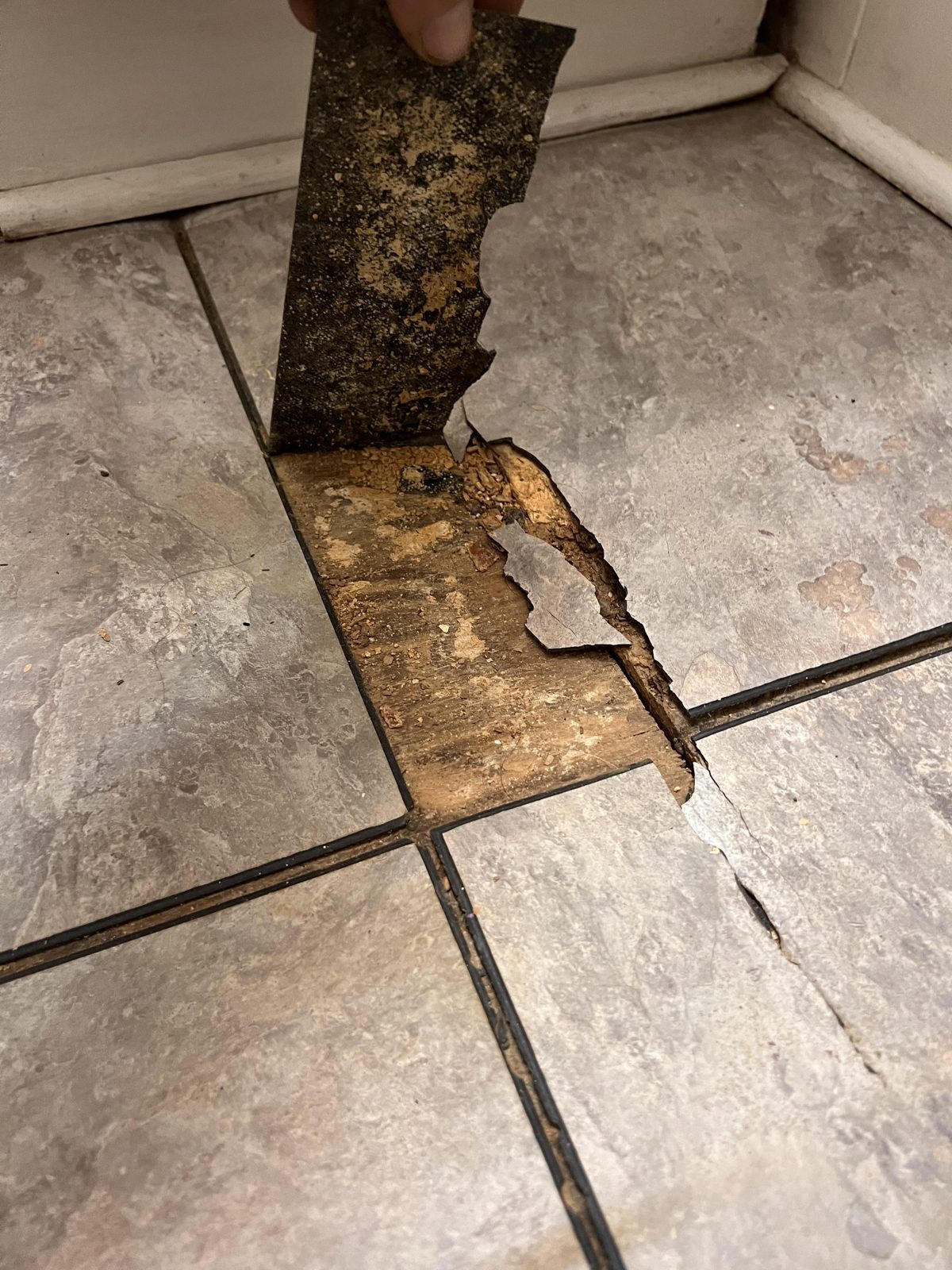
Kingsley water damage & Fire cleanup handled subfloor water damage cleanup in White Knoll, SC after moisture moved under finished flooring. We moisture-map the assembly, open only what blocks airflow, and extract before cosmetic resets seal water in place. Soft spots upstairs often start at the subfloor—underside checks prevent a false all-clear.

Mitigation steps stay plain: contain dust, remove unsavable underlayment when needed, and dry framing that can remain. HEPA support is used when demolition creates fine dust. Updates name rooms still wet so you can plan around equipment without guessing.

Verified drying for typical occupied homes lands in a 3–7 day window. Cool subfloor cavities and humid stretches can need later days; we explain before extending and adjust airflow when outdoor humidity stalls progress.

Contents on wet floors are elevated. Soft flooring edges, toe-kicks, and transitions are probed so the last band of moisture is not missed. Stay off spongy patches until cleared. Kids’ and pets’ paths are redirected around open work.

Close-out confirms readings support releasing equipment and notes any rebuild flooring decisions. Rewetting risk is called out if a supply issue is still open with a plumber. A short room summary helps you update insurance without replaying every visit.

Equipment placement tries to keep hallways walkable. Condensate drains are set so tanks do not overflow while you work. Share gate codes early when White Knoll subdivisions require them so the truck is not stuck at the entrance.

Kingsley water damage & Fire cleanup — 3031 Scotsman Rd Suite 16, Columbia, SC 29223 — 803-590-0370. You choose the contractor; we document for carriers when authorized and direct-bill when the policy allows. This page uses general guidance where detailed photo logs are thin—no invented meter numbers. If rebuild trades follow, moisture notes travel with the handoff so new flooring does not trap dampness.

If rebuild trades follow mitigation, we leave surfaces accessible and share moisture notes so flooring or drywall work does not trap leftover dampness. That handoff is part of finishing strong in the Midlands humidity cycle.

On monitoring visits we show where readings dropped and where they stalled. If a corner still reads high, we move air—not hope. You leave with a simple next-day expectation instead of unexplained printouts. Neighbor notices matter on shared walls when demolition dust could travel.

Category decisions and PPE follow what the water actually contacted. Clean supply leaks and contaminated paths are not treated the same. Tell the crew if sewage or outdoor flood water mixed in so disposal and cleaning match the loss.

September 16, 2026 | Gaston, SC

Kingsley water damage & Fire cleanup handled moisture mapping, containment as needed, and verified drying over a 3–7 day window in Gaston, SC.

September 22, 2026 | Springdale, SC

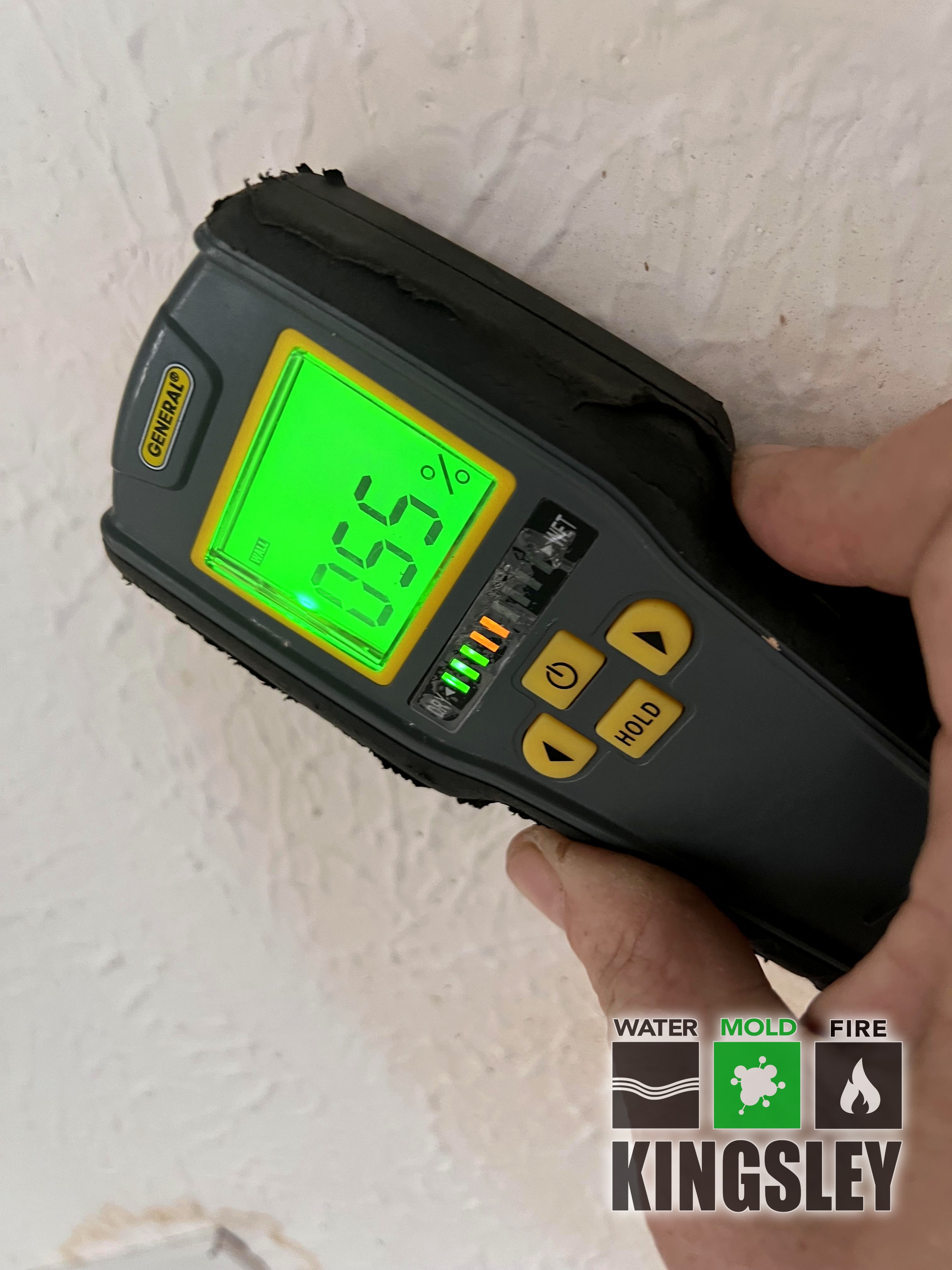
In Springdale, SC, Kingsley water damage & Fire cleanup performed structural wood moisture meter mapping after documenting moisture meter reading wet on structural wood during the initial condition check. That photo-backed condition check defined where finishes had to open, what could stay, and where drying equipment had to aim. The home needed source control, selective removal of non-salvageable wet or contaminated material, and verified drying of what remained in Springdale. We labeled the wet edge on the sketch so later visits matched day-one photos.

During mitigation we controlled the work zone so debris did not track into clean rooms. Where finishes blocked drying, we opened only the wet footprint shown by meters and the photo record. Non-salvageable saturated material was bagged and removed; salvageable framing and sheathing were cleaned. HEPA vacuuming and careful handling limited dust from demo. The unique on-site detail that guided this Springdale file was moisture meter reading wet on structural wood. Contents near the work path were shifted or protected before tools came out.

IICRC water-damage practice prioritizes stop the moisture source, remove what cannot be dried in place, clean remaining structures, then dry to target with measured air movement and dehumidification. We placed air movers and dehumidifiers to match the wet assembly, aimed airflow along the wet materials in the photo, and rechecked moisture on a 3–7 day drying calendar with overnight humidity checks—never past about a week. Quiet work windows were held where the household schedule required it, without stretching past that first-week ceiling. Skipping that short monitoring window is how a straightforward wet call becomes secondary damage or a musty return odor in Springdale.

As readings stabilized within that first-week window, we demobilized equipment and left the work area ready for any needed rebuild of finishes or insulation. Photo documentation of the mitigation state stayed with the job file for the Springdale property, including the same angle that showed moisture meter reading wet on structural wood. Helpful takeaway: If flooring feels soft, edges cup, or a stain keeps spreading in Springdale, stop walking the wet zone and request moisture mapping before new finishes go down.

Homeowners comparing structural wood moisture meter mapping options in the Springdale area should expect a written moisture map, selective removal instead of full tear-out when meters allow, and a clear end point when materials hit dry goal—not an open-ended equipment rental. Kingsley water damage & Fire cleanup follows that measured approach so rebuild decisions rest on documented conditions rather than a calendar guess.

When rebuild starts, keep the dry-standard notes handy for flooring, cabinet, or insulation trades so no one closes a cavity that still reads wet. That handoff is part of finishing structural wood moisture meter mapping correctly in Springdale after mitigation. Throughout the job we kept communication practical: what was wet, what was removed, what was drying, and when meters said the assembly met goal—without inventing a multi-week timeline.

For this Springdale stop, the close-out standard stayed simple: meters at goal, photo set filed, and no equipment left running past the 3–7 day band.

September 22, 2026 | Cayce, SC

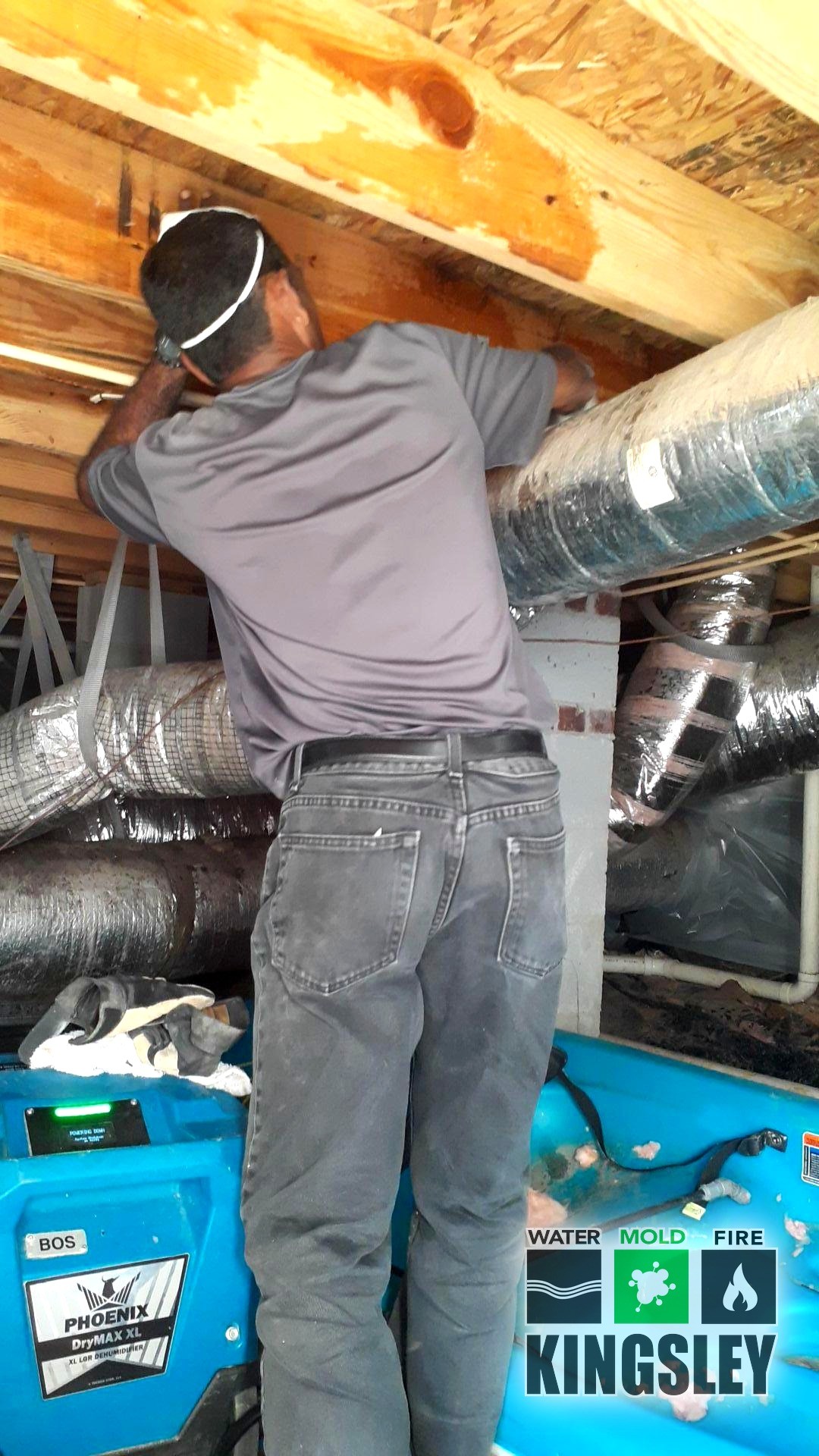
Kingsley water damage & Fire cleanup completed hvac closet moisture and mold cleanup in Cayce, SC. On arrival we walked the loss area and documented hVAC Closet Moisture and Mold Cleanup. That photo-backed condition check defined where finishes had to open, what could stay, and where drying equipment had to aim. The home needed source control, selective removal of non-salvageable wet or contaminated material, and verified drying of what remained in Cayce. We avoided opening dry cavities that meters and the camera did not support on this Cayce stop.

During mitigation we controlled the work zone so debris and spores did not track into clean rooms. Where finishes blocked drying, we opened only the wet footprint shown by meters and the photo record. Non-salvageable saturated material was bagged and removed; salvageable framing and sheathing were cleaned and treated when microbial staining warranted it. HEPA vacuuming and careful handling limited dust from demo. The unique on-site detail that guided this Cayce file was hVAC Closet Moisture and Mold Cleanup. Quiet work windows were held where the household schedule required it, without stretching the drying calendar past about a week.

IICRC water-damage and mold-remediation practice prioritizes stop the moisture source, remove what cannot be dried in place, clean and treat remaining structures with an EPA-registered antimicrobial when staining warranted it, then dry to target with measured air movement and dehumidification. We placed air movers and dehumidifiers to match the wet assembly, aimed airflow along the wet materials in the photo, and rechecked moisture on a 3–7 day drying calendar with overnight humidity checks—never past about a week. Skipping that short monitoring window is how a straightforward wet call becomes secondary damage or a musty return odor in Cayce.

As readings stabilized within that first-week window, we demobilized equipment and left the work area ready for any needed rebuild of finishes or insulation. Photo documentation of the mitigation state stayed with the job file for the Cayce property, including the same angle that showed hVAC Closet Moisture and Mold Cleanup. Helpful takeaway: Musty odor that returns after a quick wipe in Cayce usually means moisture is still feeding the stain—map it before painting over it.

Homeowners comparing hvac closet moisture and mold cleanup options in the Cayce area should expect a written moisture map, selective removal instead of full tear-out when meters allow, and a clear end point when materials hit dry goal—not an open-ended equipment rental. Kingsley water damage & Fire cleanup follows that measured approach so rebuild decisions rest on documented conditions rather than a calendar guess.

When rebuild starts, keep the dry-standard notes handy for flooring, cabinet, or insulation trades so no one closes a cavity that still reads wet. That handoff is part of finishing hvac closet moisture and mold cleanup correctly in Cayce after mitigation—not a separate sales pitch.

Throughout the Cayce job we kept communication practical: what was wet, what was removed, what was drying, and when meters said the assembly met goal. That plain record is what homeowners and trades use after hvac closet moisture and mold cleanup—not jargon and not an invented multi-week timeline.