BEST Water Damage and Fire Cleanup Service in Greer, SC
- 24-Hour Dispatch – Calls Answered Live
- IICRC-trained and certified experts
- BBB A+ Accredited with zero complaints
Top-Rated Water Damage Restoration in Greer, SC
Stop searching Google for a water restoration contractor near you. Nobody plans, or quite frankly prepares, for water damage to occur in their home or building – therefore, timeliness in restoring damage caused by water is crucial. Kingsley Water Damage & Fire Cleanup of Greer offers water damage cleanup, mold testing/removal, duct cleaning, fire cleaning & restoration services throughout Greer, South Columbia, and the greater community.
We’ve been doing water damage cleanup in Greer for a long time, and our main goal is simple: getting your home or business back to normal so you can move past the mess. We know how disruptive a flood or leak can be, and we work hard to make the restoration process as quick and painless as possible.
Honestly, we hope you never have to deal with a disaster that requires our services. But if you do find yourself in a tough spot, we’re here for you. We truly appreciate the trust our neighbors place in us to step in and save their property when things go wrong, and we don't take that responsibility lightly.
Reasons to Work with Experienced Greer Water Damage Restoration Specialists
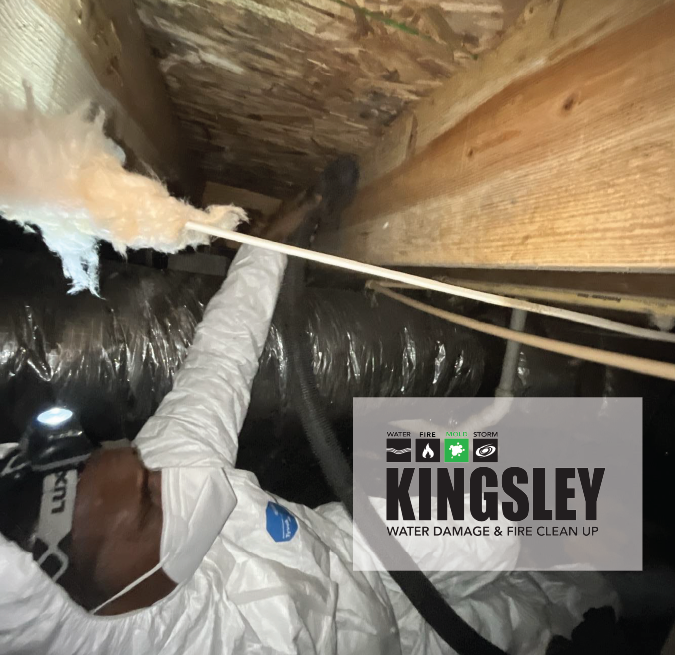
We’re full-time water damage and mold remediation specialists in Greer, South Carolina. Carpet cleaners, plumbers, pest control companies, and many other industries are starting to offer water damage and mold remediation in their services. Don’t be fooled into thinking they can offer the same quality as a company that specializes in water damage cleanup and mold remediation and is constantly continuing education in the field.
We stick to what we know and that’s returning your home to pre-loss condition, quickly, safely, and cost-efficient. Water damage and mold remediation are highly unregulated, which means anybody can claim to be a water damage or mold removal expert.
Process for Water Damage Restoration Greer
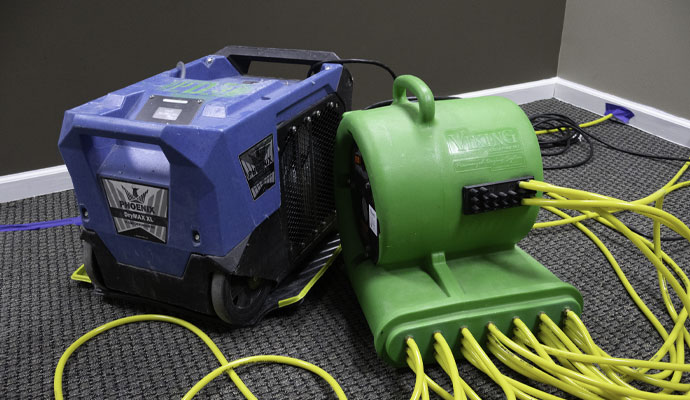
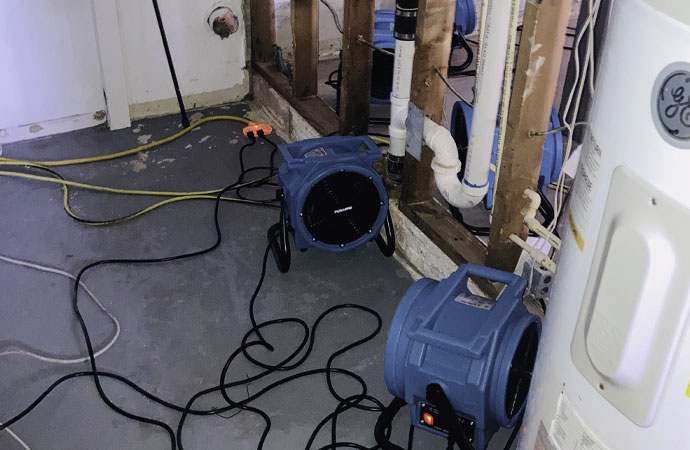
Once we’ve tracked down where the water is hiding and pumped out the standing mess, our team in Greer gets to work on the deep-drying process. We don't just point a few fans at the wall and hope for the best; we use professional-grade equipment to pull moisture out of the structure without tearing your house apart unless we absolutely have to.
Usually, it takes about 3 to 5 days to get everything bone-dry, but it really depends on what got wet. Materials like the heavy hardwoods in your floors or cabinets, and especially concrete, take a bit longer to give up that moisture. On the flip side, things like drywall and soft wood act like sponges, soaking up water faster than you’d think.
One of the biggest mistakes people make is thinking a wall is dry just because it feels dry to the touch. Our crew uses advanced moisture meters and thermal imaging to find "hidden" water trapped behind insulated walls or deep under your flooring.
If you leave even a little bit of moisture behind, it’s only a matter of time before you’re dealing with mold or structural rot. That’s why we’re so thorough—we want to make sure the job is done right the first time so you don't have a bigger headache down the road.
Contact Kingsley Water Damage & Fire Cleanup – Greer Water Restoration Service Near You
When you experience a catastrophic water damage event, there isn’t time to waste. Contact the water damage cleanup experts at Kingsley to diagnose the issue, immediately start the the restoration process, and return your home to its original state – so that you and your loved ones can get back to a normal routine.
To receive immediate assistance with water damage restoration in Greer, SC, contact us today.