BEST Water & Fire Damage Restoration in Greenville, SC

Fire, smoke & mold in Greenville

Downtown loft and restaurant fires leave fine soot in shared corridors; hillside homes after electrical events often need cavity checks where rain followed smoke. Pair smoke & soot cleaning with meter-verified drying, and use crawl space mold protocols when growth sits under Augusta Road or mountain-edge bungalows.

EPA mold guidance covers homeowner basics.

What sets Kingsley apart in Greenville
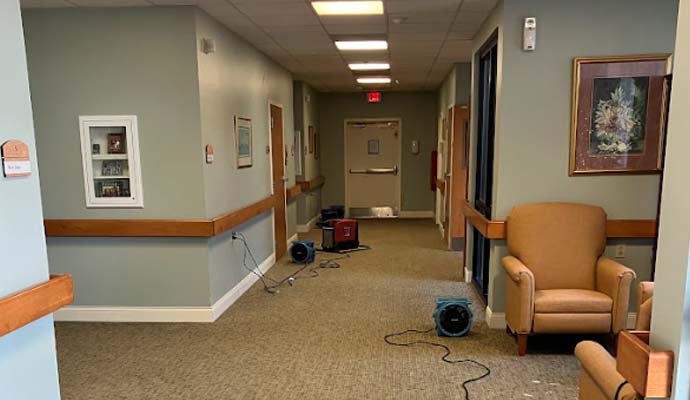
Kingsley water damage restoration process
  • Local review trail: Hundreds of five-star Google notes. We accept every carrier yet stay independent for Greenville families.
  • Readable scopes: Clear water damage estimates--no hard sell after storms over Laurens Rd.
  • Round-the-clock answer: Night pipe breaks near Laurens Rd still reach a person at 803-590-0370.
  • Carrier billing when allowed: Direct-bill options reduce cash you float during Greenville drying.

Local Expertise for Greenville Residents

Falls Park lofts, Pelham Road docks, and mountain-edge switchbacks each need different truck staging. Chronic must after soot often adds air duct cleaning; faint attic marks get mold testing before demo.

A steady partner for Greenville restoration

From first call to clear meters, we keep Greenville owners informed without high-pressure rebuild pitches.

Coverage questions? We document the loss thoroughly; your carrier confirms what your policy covers. For flood basics see Ready.gov.

How we dry a Greenville home

Sequence for Greenville: contain -> extract -> dry -> sanitize.

Plan on about 3-7 days of monitored extraction and drying in Greenville. Access around Laurens Rd can slow equipment staging, but we still chase clear readings--not open-ended weeks. Work aligns with IICRC standards.
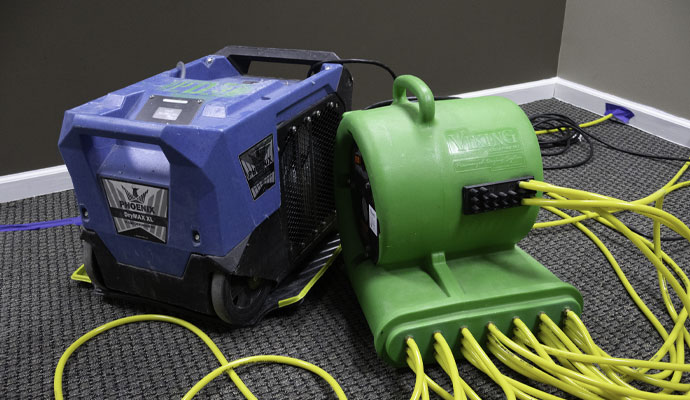
Water Damage Repair in Greenville, SC

Quick steps after a pipe or appliance flood

Water moving across finished floors near Laurens Rd? Shut what you can, stay clear of live outlets, then call--we will not force a carrier vendor list.

  1. Secure the source only if you can reach it without climbing into deep water.
  2. Free phone consult: We say plumber, insurance, or extraction next. 803-590-0370
  3. You hire the crew. Preferred lists are suggestions; Greenville policyholders usually keep final contractor choice.

Your property, your call. Kingsley Water Damage & Fire Cleanup meters the loss and lets you hire who you trust.

803-590-0370

Areas we serve around Greenville

  • Downtown Greenville
  • Augusta Road
  • Paris Mountain
  • Pelham Road
  • Clairemont
  • North Main
  • West End

Real Client Needs in Greenville

First-time callers from the Greenville area who reached the Kingsley team about water, fire, or mold at home.

Tyler H.

Roof weep hit the attic sheathing. Need drying before mold spreads. Checking drying options around Greenville.
Carmen J.

Kitchen LVP edges cupped after a line break. Need floor drying help. Checking drying options around Greenville.
Alan B.

Guest room carpet stayed wet two days. Want it pulled or dried properly. Checking drying options around Greenville.

Frequently Asked Questions -- Greenville, SC

Someone answers day and night. Losses near Laurens Rd are a regular run; once extraction starts, most homes still clear meters inside a 3-7 day window.

Typical scopes around Augusta Street finish documented drying in 3-7 days. Tight crawls can sit toward the long end--not past one week on a standard job.

Usually no. Preferred lists are optional. We photograph and meter so carriers can follow the Greenville file while you keep contractor choice.

A free consult first is fine. We help sort plumber vs. claim vs. mitigation, and you still hire who you want near Laurens Rd.

Yes--kitchen and garage smoke along Augusta Street is common. HEPA rides with drying, usually planned inside 3-7 days when power holds.

Stop the source if safe, keep people off wet floors near Augusta Street, and pause HVAC through soaked returns. Phone photos help the claim.
Our customers love us!

See All 439 Reviews
Customer Reviews from Greenville and Surrounding Areas ( 5
from 12 reviews )

Happy Customers across Greenville and Surrounding Areas

Completed Jobs from Greenville and Surrounding Areas

See All

September 13, 2026 | Greenville, SC

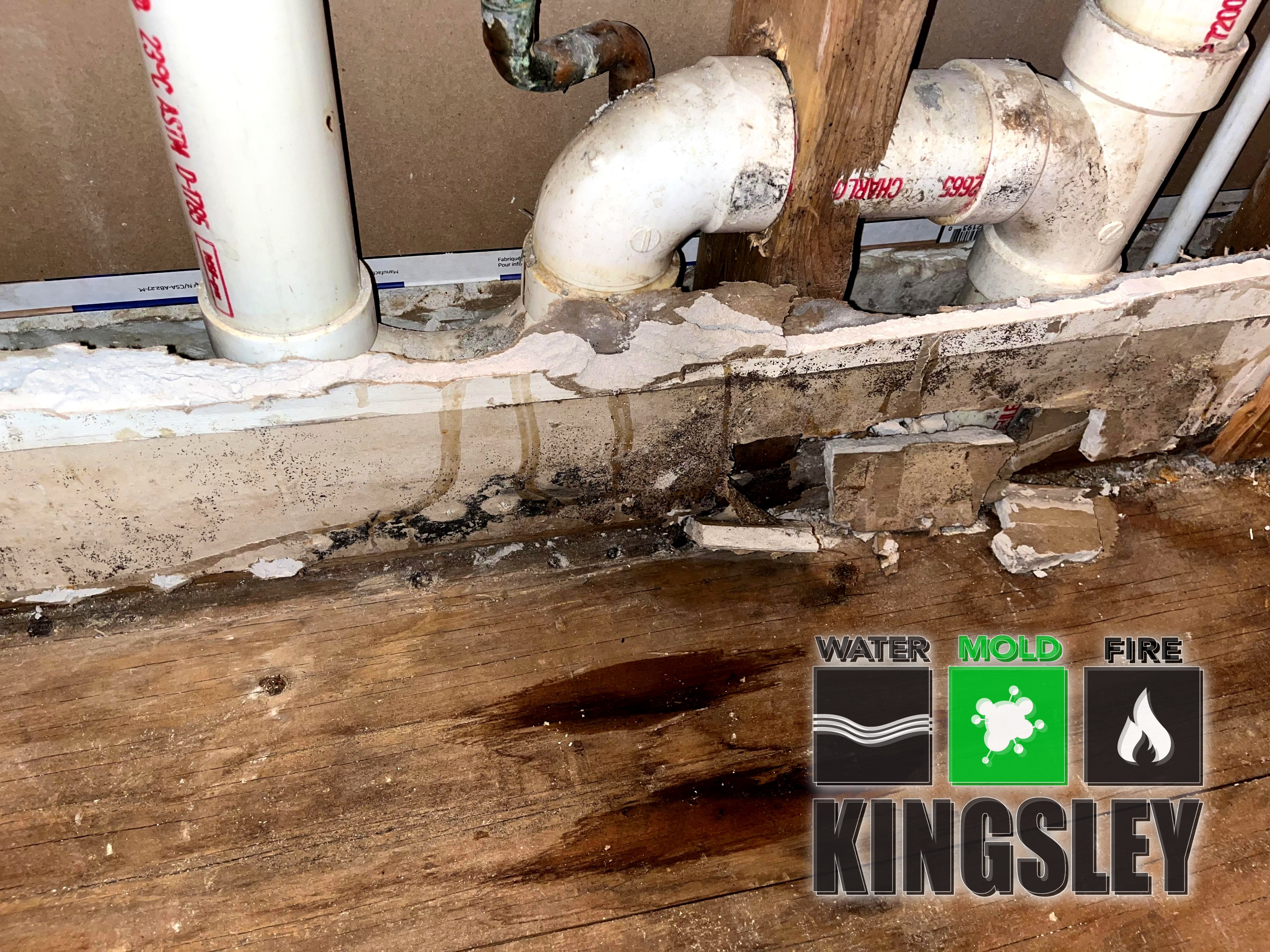
Kingsley water damage & Fire cleanup handled doorway subfloor water damage cleanup for a Greenville, SC property. The camera and meters guided scope from the start: water-damaged subfloor at doorway transition. That photo-backed condition check defined where finishes had to open, what could stay, and where drying equipment had to aim. The home needed source control, selective removal of non-salvageable wet or contaminated material, and verified drying of what remained in Greenville. We labeled the wet edge on the sketch so later visits matched day-one photos.

During mitigation we controlled the work zone so debris did not track into clean rooms. Where finishes blocked drying, we opened only the wet footprint shown by meters and the photo record. Non-salvageable saturated material was bagged and removed; salvageable framing and sheathing were cleaned. HEPA vacuuming and careful handling limited dust from demo. The unique on-site detail that guided this Greenville file was water-damaged subfloor at doorway transition. Contents near the work path were shifted or protected before tools came out.

IICRC water-damage practice prioritizes stop the moisture source, remove what cannot be dried in place, clean remaining structures, then dry to target with measured air movement and dehumidification. We placed air movers and dehumidifiers to match the wet assembly, aimed airflow along the wet materials in the photo, and rechecked moisture on a 3–7 day drying calendar with overnight humidity checks—never past about a week. Quiet work windows were held where the household schedule required it, without stretching past that first-week ceiling. Skipping that short monitoring window is how a straightforward wet call becomes secondary damage or a musty return odor in Greenville.

As readings stabilized within that first-week window, we demobilized equipment and left the work area ready for any needed rebuild of finishes or insulation. Photo documentation of the mitigation state stayed with the job file for the Greenville property, including the same angle that showed water-damaged subfloor at doorway transition. Helpful takeaway: If flooring feels soft, edges cup, or a stain keeps spreading in Greenville, stop walking the wet zone and request moisture mapping before new finishes go down.

Homeowners comparing doorway subfloor water damage cleanup options in the Greenville area should expect a written moisture map, selective removal instead of full tear-out when meters allow, and a clear end point when materials hit dry goal—not an open-ended equipment rental. Kingsley water damage & Fire cleanup follows that measured approach so rebuild decisions rest on documented conditions rather than a calendar guess.

When rebuild starts, keep the dry-standard notes handy for flooring, cabinet, or insulation trades so no one closes a cavity that still reads wet. That handoff is part of finishing doorway subfloor water damage cleanup correctly in Greenville after mitigation. Throughout the job we kept communication practical: what was wet, what was removed, what was drying, and when meters said the assembly met goal—without inventing a multi-week timeline.

For this Greenville stop, the close-out standard stayed simple: meters at goal, photo set filed, and no equipment left running past the 3–7 day band.

September 12, 2026 | Greenville, SC

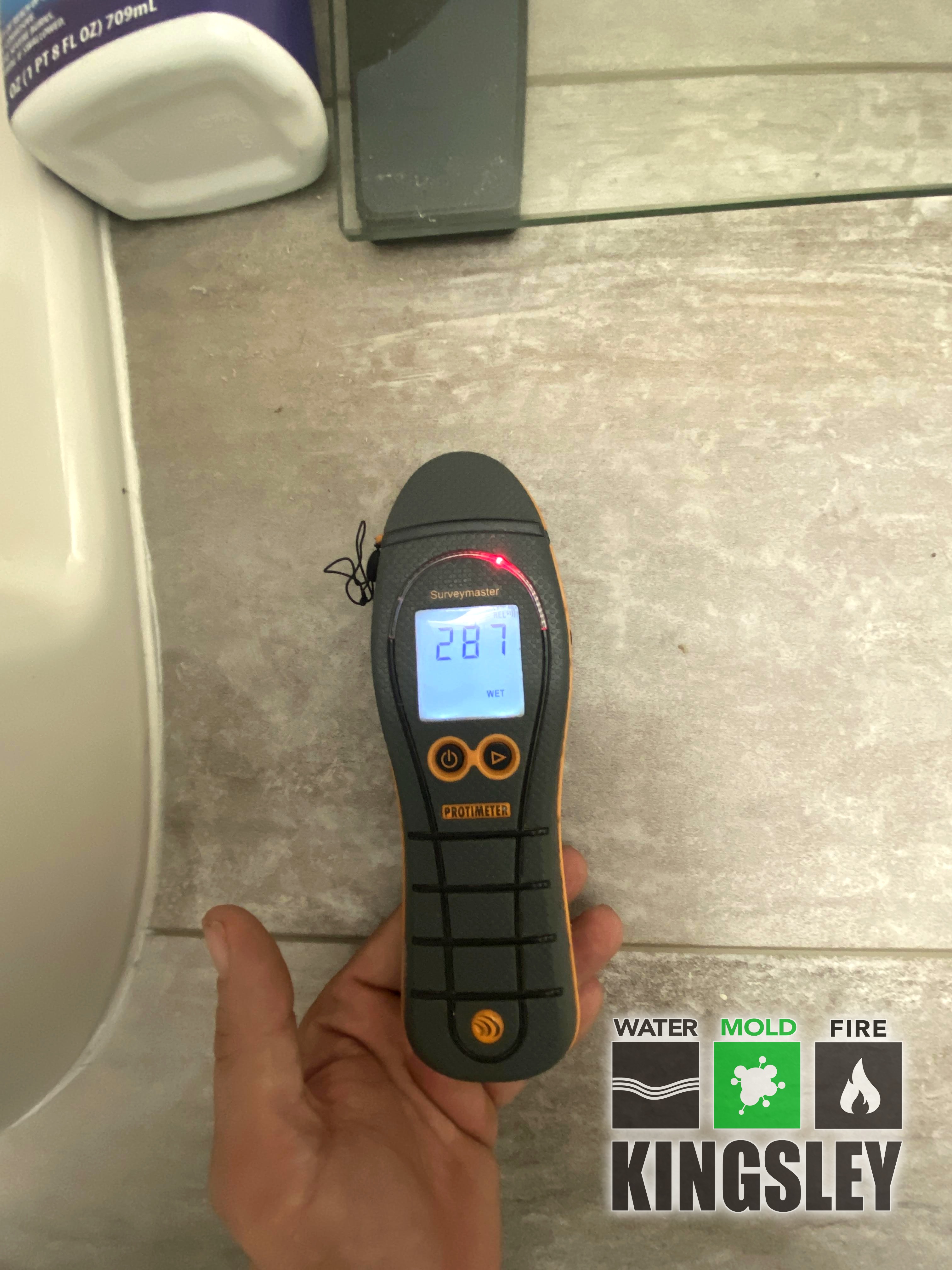
Kingsley water damage & Fire cleanup responded for tile floor moisture mapping and water cleanup in Greenville, SC and began with a photo-backed survey that captured moisture meter on tile during water damage inspection. That photo-backed condition check defined where finishes had to open, what could stay, and where drying equipment had to aim. The home needed source control, selective removal of non-salvageable wet or contaminated material, and verified drying of what remained in Greenville. The adjuster-ready photo set stayed with the file so rebuild trades could see the same framed assembly the crew saw.

During mitigation we controlled the work zone so debris did not track into clean rooms. Where finishes blocked drying, we opened only the wet footprint shown by meters and the photo record. Non-salvageable saturated material was bagged and removed; salvageable framing and sheathing were cleaned. HEPA vacuuming and careful handling limited dust from demo. The unique on-site detail that guided this Greenville file was moisture meter on tile during water damage inspection. Contents near the work path were shifted or protected before tools came out in this Greenville home.

IICRC water-damage practice prioritizes stop the moisture source, remove what cannot be dried in place, clean remaining structures, then dry to target with measured air movement and dehumidification. We placed air movers and dehumidifiers to match the wet assembly, aimed airflow along the wet materials in the photo, and rechecked moisture on a 3–7 day drying calendar with overnight humidity checks—never past about a week. Skipping that short monitoring window is how a straightforward wet call becomes secondary damage or a musty return odor in Greenville.

As readings stabilized within that first-week window, we demobilized equipment and left the work area ready for any needed rebuild of finishes or insulation. Photo documentation of the mitigation state stayed with the job file for the Greenville property, including the same angle that showed moisture meter on tile during water damage inspection. Helpful takeaway: A leak that looks dry after towels in Greenville can still leave wet underlayment—meter the assembly before rebuild.

Homeowners comparing tile floor moisture mapping and water cleanup options in the Greenville area should expect a written moisture map, selective removal instead of full tear-out when meters allow, and a clear end point when materials hit dry goal—not an open-ended equipment rental. Kingsley water damage & Fire cleanup follows that measured approach so rebuild decisions rest on documented conditions rather than a calendar guess.

When rebuild starts, keep the dry-standard notes handy for flooring, cabinet, or insulation trades so no one closes a cavity that still reads wet. That handoff is part of finishing tile floor moisture mapping and water cleanup correctly in Greenville after mitigation—not a separate sales pitch.

Throughout the Greenville job we kept communication practical: what was wet, what was removed, what was drying, and when meters said the assembly met goal. That plain record is what homeowners and trades use after tile floor moisture mapping and water cleanup—not jargon and not an invented multi-week timeline.

August 28, 2025 | Greenville, SC

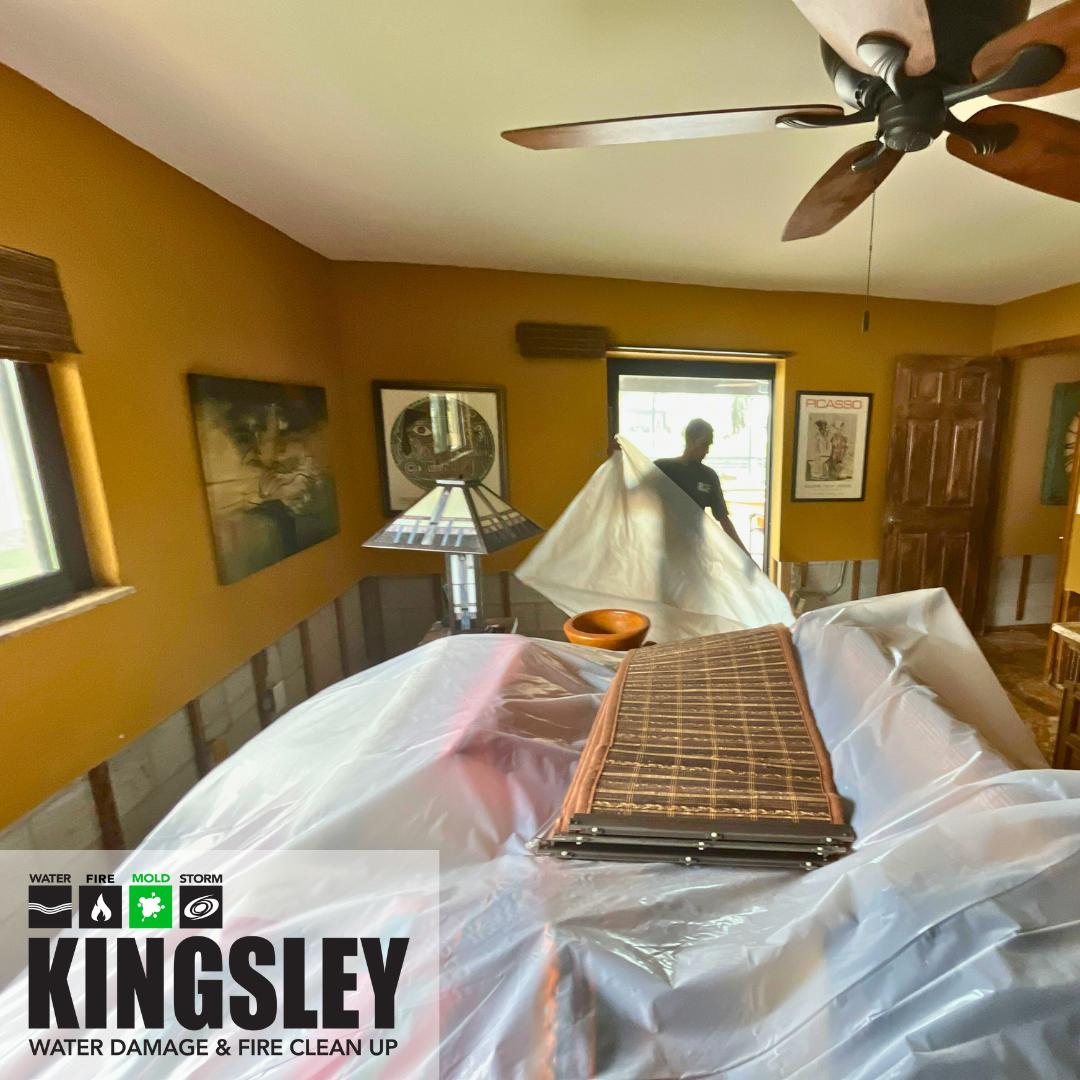
Interior Water & Mold Remediation in Greenville.

August 17, 2025 | Greenville, SC

Crawl Space Mold Remediation in Greenville.

August 10, 2025 | Greenville, SC

Ceiling Stain to Crawlspace Disaster in Greenville.

August 04, 2025 | Greenville, SC

Residential Attic Fire in Greenville.

September 26, 2022 | Greenville, SC

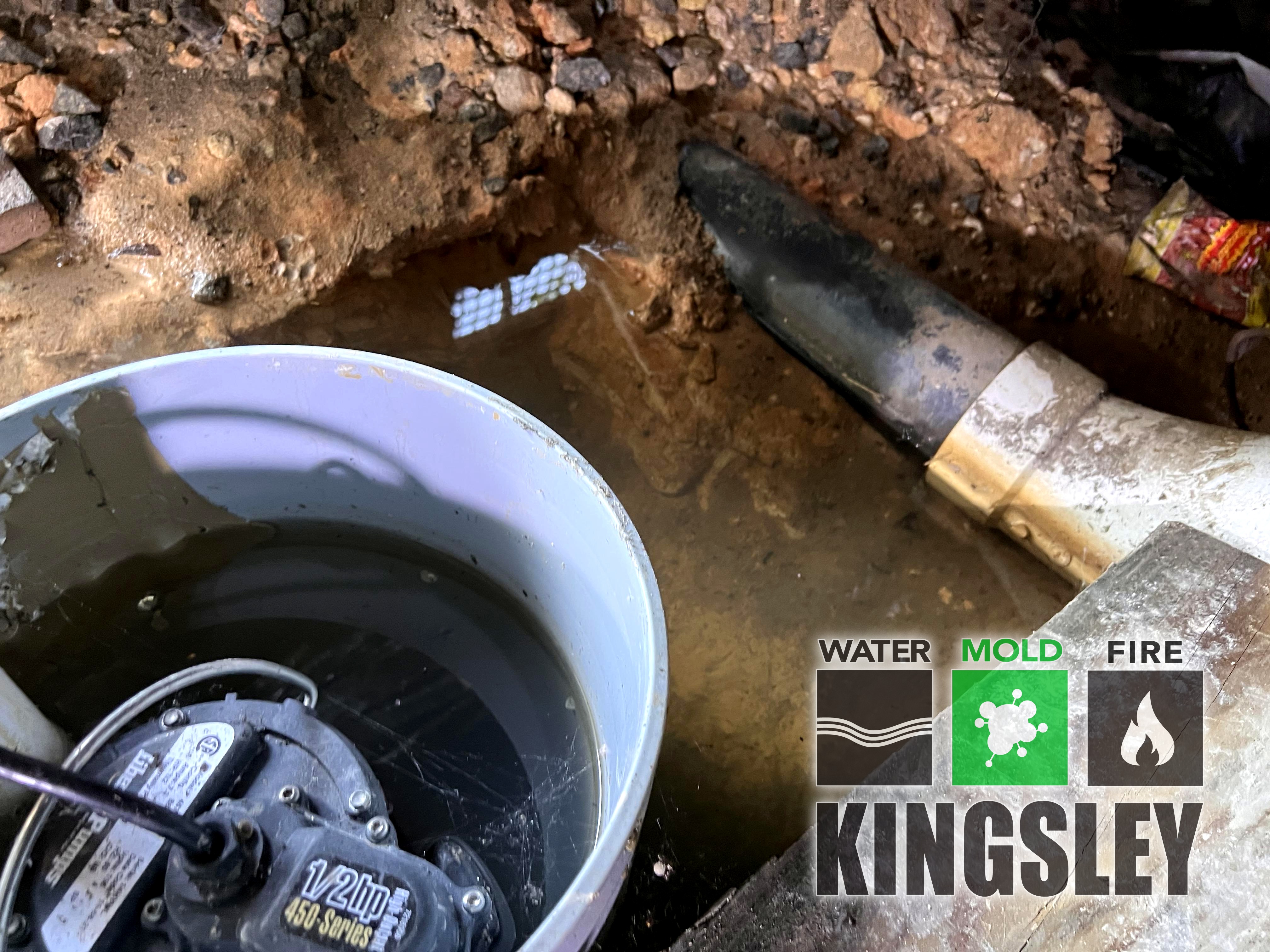
Underground Pipe Break Water Cleanup in Greenville.

October 13, 2022 | Westville, SC

Water Damage Clean-up and Mitigation in Westville.

November 26, 2022 | Westville, SC

Basement and Bathroom Water Damage Cleanup in Westville.

September 14, 2026 | Westville, SC

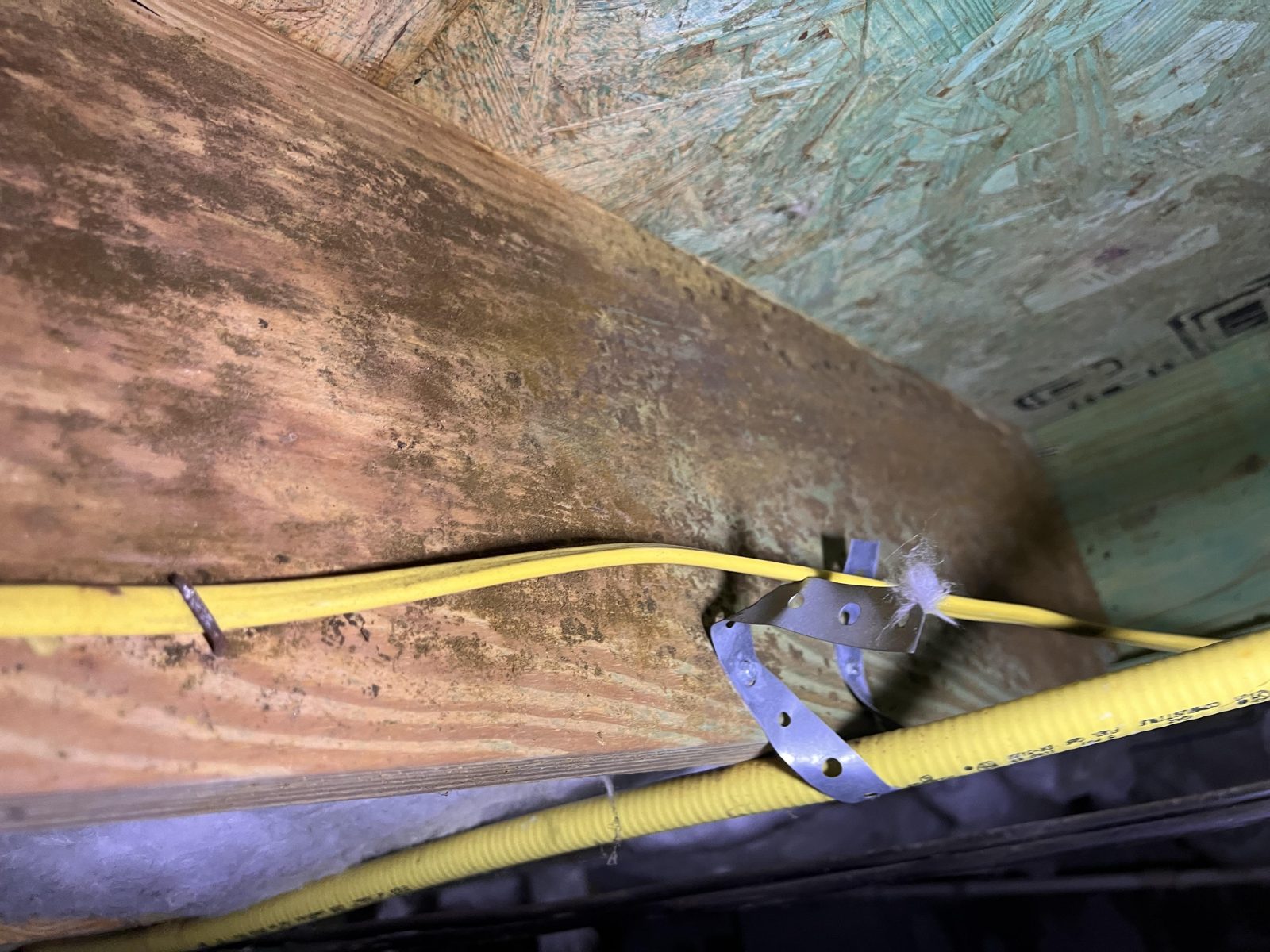
Kingsley water damage & Fire cleanup completed crawlspace joist mold inspection and cleanup in Westville, SC. On arrival we walked the loss area and documented crawlspace joists with staining during mold cleanup. That photo-backed condition check defined where finishes had to open, what could stay, and where drying equipment had to aim. The home needed source control, selective removal of non-salvageable wet or contaminated material, and verified drying of what remained in Westville. Contents near the work path were shifted or protected before tools came out in this Westville home.

During mitigation we controlled the work zone so debris and spores did not track into clean rooms. Where finishes blocked drying, we opened only the wet footprint shown by meters and the photo record. Non-salvageable saturated material was bagged and removed; salvageable framing and sheathing were cleaned and treated when microbial staining warranted it. HEPA vacuuming and careful handling limited dust from demo. The unique on-site detail that guided this Westville file was crawlspace joists with staining during mold cleanup. We labeled the wet edge on the sketch so later visits matched day-one photos in Westville.

IICRC water-damage and mold-remediation practice prioritizes stop the moisture source, remove what cannot be dried in place, clean and treat remaining structures with an EPA-registered antimicrobial when staining warranted it, then dry to target with measured air movement and dehumidification. We placed air movers and dehumidifiers to match the crawlspace bay, aimed airflow along the wet materials in the photo, and rechecked moisture on a 3–7 day drying calendar with overnight humidity checks—never past about a week. Skipping that short monitoring window is how a straightforward wet call becomes secondary damage or a musty return odor in Westville.

As readings stabilized within that first-week window, we demobilized equipment and left the work area ready for any needed rebuild of finishes or insulation. Photo documentation of the mitigation state stayed with the job file for the Westville property, including the same angle that showed crawlspace joists with staining during mold cleanup. Helpful takeaway: Dark staining on crawl joists in Westville is a reason to map moisture before buttoning the bay back up with fresh vapor barrier.

Homeowners comparing crawlspace joist mold inspection and cleanup options in the Westville area should expect a written moisture map, selective removal instead of full tear-out when meters allow, and a clear end point when materials hit dry goal—not an open-ended equipment rental. Kingsley water damage & Fire cleanup follows that measured approach so rebuild decisions rest on documented conditions rather than a calendar guess.

When rebuild starts, keep the dry-standard notes handy for flooring, cabinet, or insulation trades so no one closes a cavity that still reads wet. That handoff is part of finishing crawlspace joist mold inspection and cleanup correctly in Westville after mitigation—not a separate sales pitch.

Throughout the Westville job we kept communication practical: what was wet, what was removed, what was drying, and when meters said the assembly met goal. That plain record is what homeowners and trades use after crawlspace joist mold inspection and cleanup—not jargon and not an invented multi-week timeline.