BEST Water & Fire Damage Restoration in Carolina Forest, SC

All Damage Restoration Companies Are The Same, Right? Think Again

  • Immediate Dispatch- Calls Answered Live
  • Insurance Damage Repair Specialists
  • No Money Upfront- Direct Bill Insurance
  • 440+ five-star Google reviews
  • All Work Guaranteed
803-590-0370
Water Damage Repair in Carolina Forest, SC

What to do right now

Active leak or standing water? Start here--simple steps that protect people and property without boxing you into a vendor list.

  1. Stop the water if you can (shutoff) and stay safe.
  2. Call us for a free phone consult -- we dispatch immediately on emergencies and tell you whether your next call should be a plumber, your insurance company, or neither. 803-590-0370
  3. You choose your contractor. Preferred-vendor lists are optional; you're not required to use them.

Your choice, your advocate. Kingsley Water Damage & Fire Cleanup is independent--we document thoroughly, work with carriers daily, and put your property first. Preferred lists don't override your right to hire who you trust.

803-590-0370

How water damage restoration works in Carolina Forest

  1. Inspect & moisture-map (including International Drive subdivisions, Forestbrook ranches, and golf-community homes common in Carolina Forest)
  2. Stop or contain the source
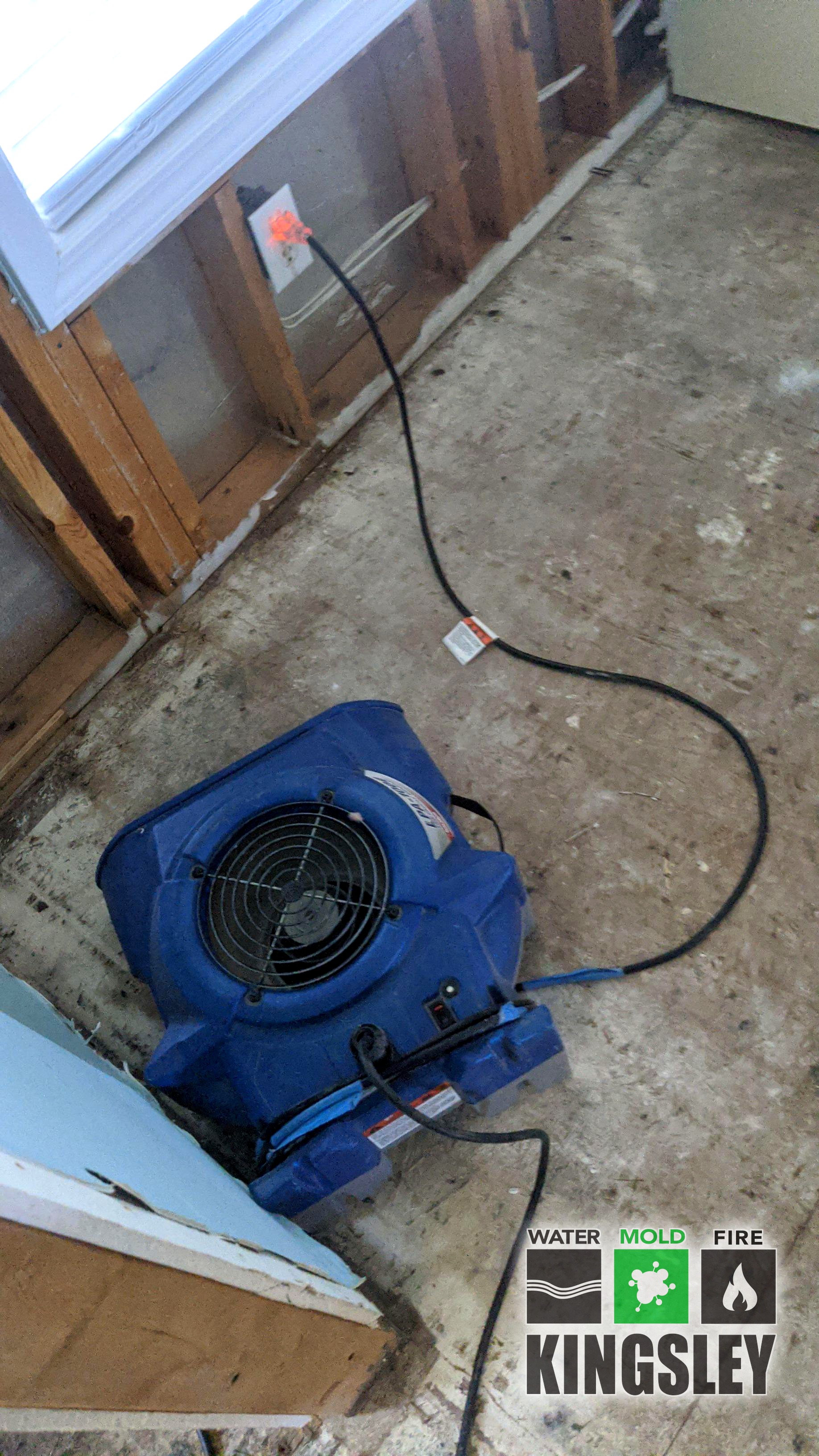
  3. Extract standing water; remove unsalvable materials when required
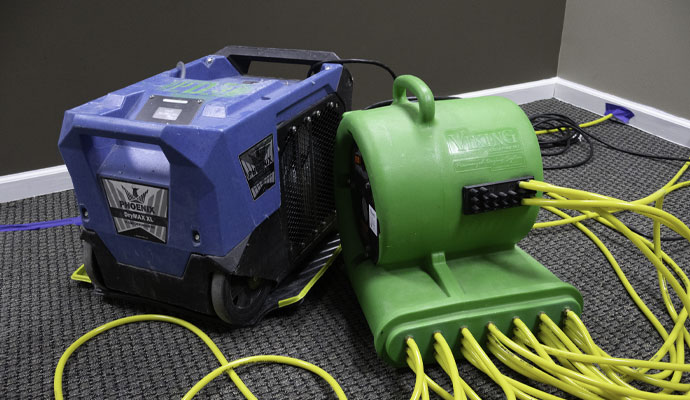
  4. Dry with air movers/dehumidifiers to target readings
  5. Clean, sanitize, restore finishes

Average residential extraction/drying: about 3-7 days. Historic plaster or hardwood may need gentler, longer monitored dry paths than modern drywall--still within a disciplined meter-based plan. Our methods align with IICRC restoration standards.

Carolina Forest sits inland of the Strand but still fights tropical bands: a failed AC condensate line can soak upstairs carpet for a weekend before anyone meters the pad. Golf-community slabs track vinyl quietly. Crews map rooms from the wet edge--most residential mitigation still lands in a 3-7 day verified window.

If flame or smoke opens a two-story roof, we stage emergency board-up before the next Grand Strand shower restarts the clock.

Why Choose Kingsley Water Damage & Fire Cleanup?
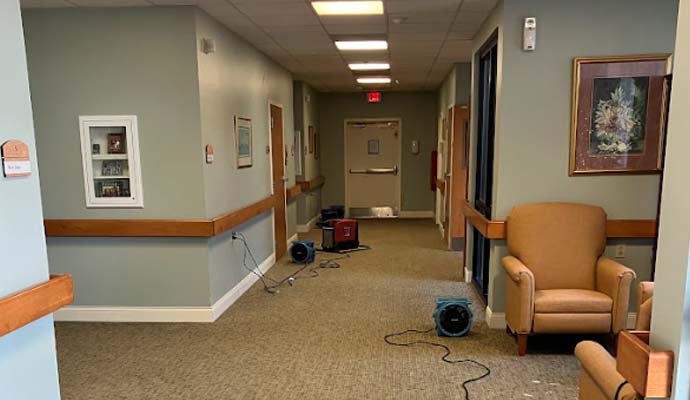
Kingsley water damage restoration process
  • Unmatched Service Quality: 440+ five-star Google reviews. We accept all insurance but operate independently--your needs stay the top priority.
  • Transparent Estimates Without Pressure: Clear water damage scopes and documentation so you can decide without high-pressure sales tactics.
  • Round-the-Clock Emergency Response: Rain, sleet, hail, or pipe burst--our 24-hour team is ready for Carolina Forest emergencies.
  • Direct Bill Insurance: We bill carriers when the claim allows, so you aren't stuck fronting the whole mitigation bill.

Local Expertise for Carolina Forest Residents

International Drive traffic and HOA gate codes shape ETA as much as the leak. Closed vacation-style homes trap odor; many owners add air duct cleaning after soot. Ambiguous closet spots get mold testing before tear-out.

Your Partner in Property Restoration

Subdivision homeowners, landlords, and seasonal families stay in charge of who documents the loss--Kingsley Water Damage & Fire Cleanup never treats a preferred list as a mandate.

Sorting flood vs. homeowners coverage? Review Ready.gov flood guidance and FloodSmart.gov for plain-language basics--we document the loss; your carrier confirms coverage.

Fire, smoke & mold in Carolina Forest

Kitchen fires in two-story homes push soot into shared returns even when flames stayed downstairs. Suppression water needs meter-based drying like any plumbing loss. Strand humidity means wiping a stain rarely ends the moisture story--see smoke & soot and mold remediation.

Homeowner mold basics: EPA mold guidance.

Helpful takeaway for Carolina Forest homeowners

Smell must upstairs after a condensate overflow? Meter the pad and the chase before carpet layers close the room. Snap photos, keep kids off wet outlets, and ask for a free phone consult while the cavity is still open.

Photo-led scopes we publish statewide sit under recently completed jobs.

Areas we serve around Carolina Forest

  • International Drive
  • Forestbrook
  • Golf communities
  • Carolina Forest retail
  • Subdivision HOAs
  • Conway approaches

Call 803-590-0370 for dispatch anywhere in this corridor.

International Drive, Forestbrook & golf-community context

HOA quiet hours decide evening staging--we plan for that lag so equipment is not idle.

  • Two-story condensate and supply-line wet-outs
  • Golf-community slab vinyl tracking
  • Attic mold after incomplete tropical drying
  • Commercial water damage along International Drive

Nearby we also cover heavily: Myrtle Beach, Conway, Forestbrook, Socastee, Murrells Inlet inland approaches.

Frequently Asked Questions -- Carolina Forest, SC

Most two-story residential jobs verify in about 3-7 days. Condensate overflows and Category 3 water can widen removal. HOA paint waits on moisture goals. Our methods align with IICRC restoration standards for moisture mapping and verified drying.

Yes. Golf-community HOAs and gate codes are normal--we stage so equipment is not idle overnight.

We extract, dry the pad and chase, and meter until targets hold--usually still a 3-7 day window with access. Our methods align with IICRC restoration standards for moisture mapping and verified drying.

Yes. We moisture-map attic valleys and test ambiguous spots before tear-out, then dry to meter targets.

HOAs control quiet hours and gates--not your right to hire. Preferred-vendor lists remain optional.

Usually you may choose your contractor. Preferred-vendor lists are optional. We document thoroughly and work with carriers daily; your policy controls network rules.

Not necessarily. Call us for a free phone consult first--we dispatch on emergencies and help you decide whether your next call should be a plumber, your insurance company, or neither. You still choose your contractor.

Need help at a Carolina Forest property? Call 803-590-0370 or use our contact page. Office: 3031 Scotsman Rd Suite 16, Columbia, SC 29223 · 803-590-0370.
Our customers love us!

See All 439 Reviews
Customer Reviews from Carolina Forest and Surrounding Areas ( 5
from 12 reviews )

Happy Customers across Carolina Forest and Surrounding Areas

Completed Jobs from Carolina Forest and Surrounding Areas

See All

September 10, 2026 | Carolina Forest, SC

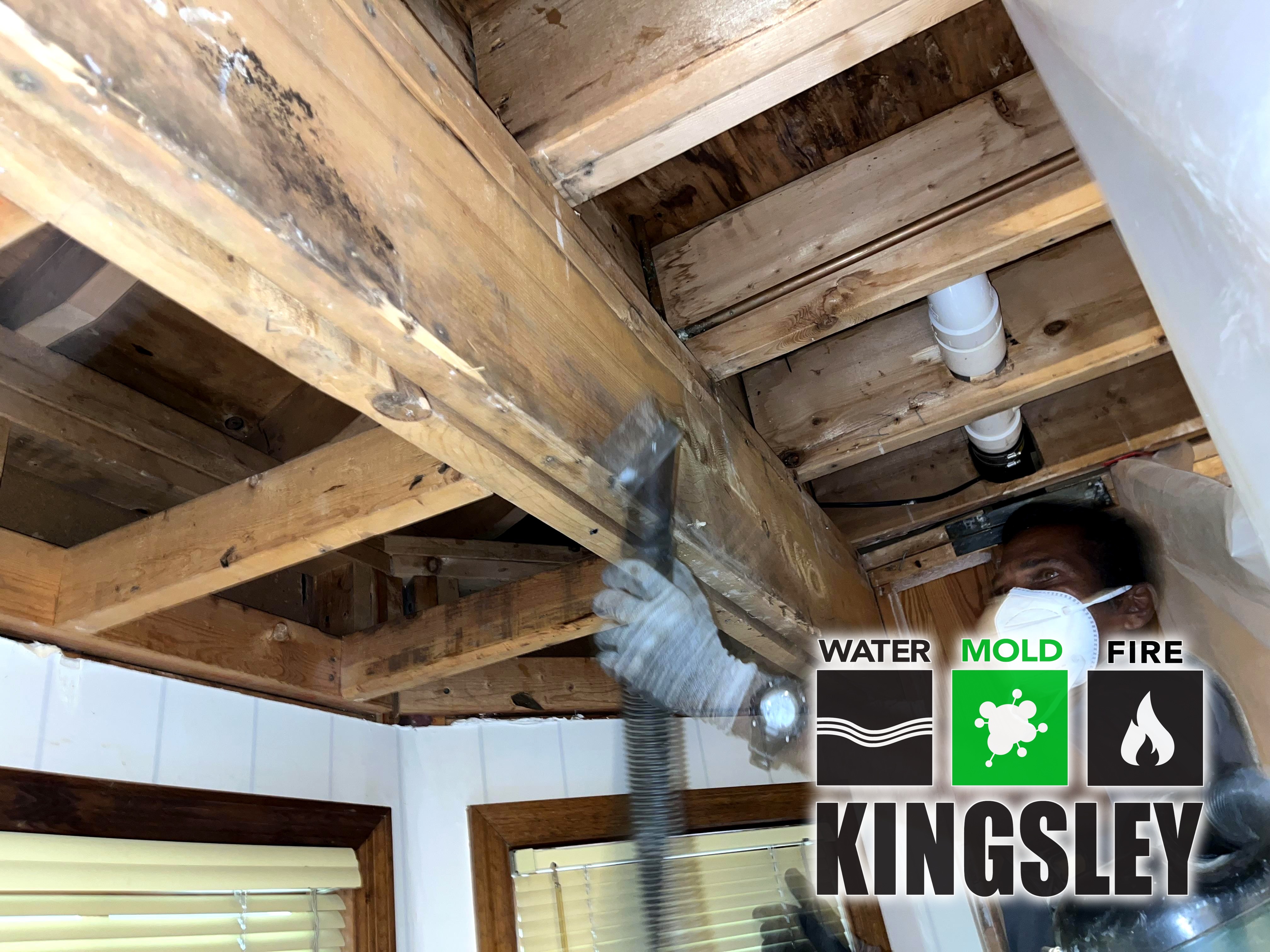
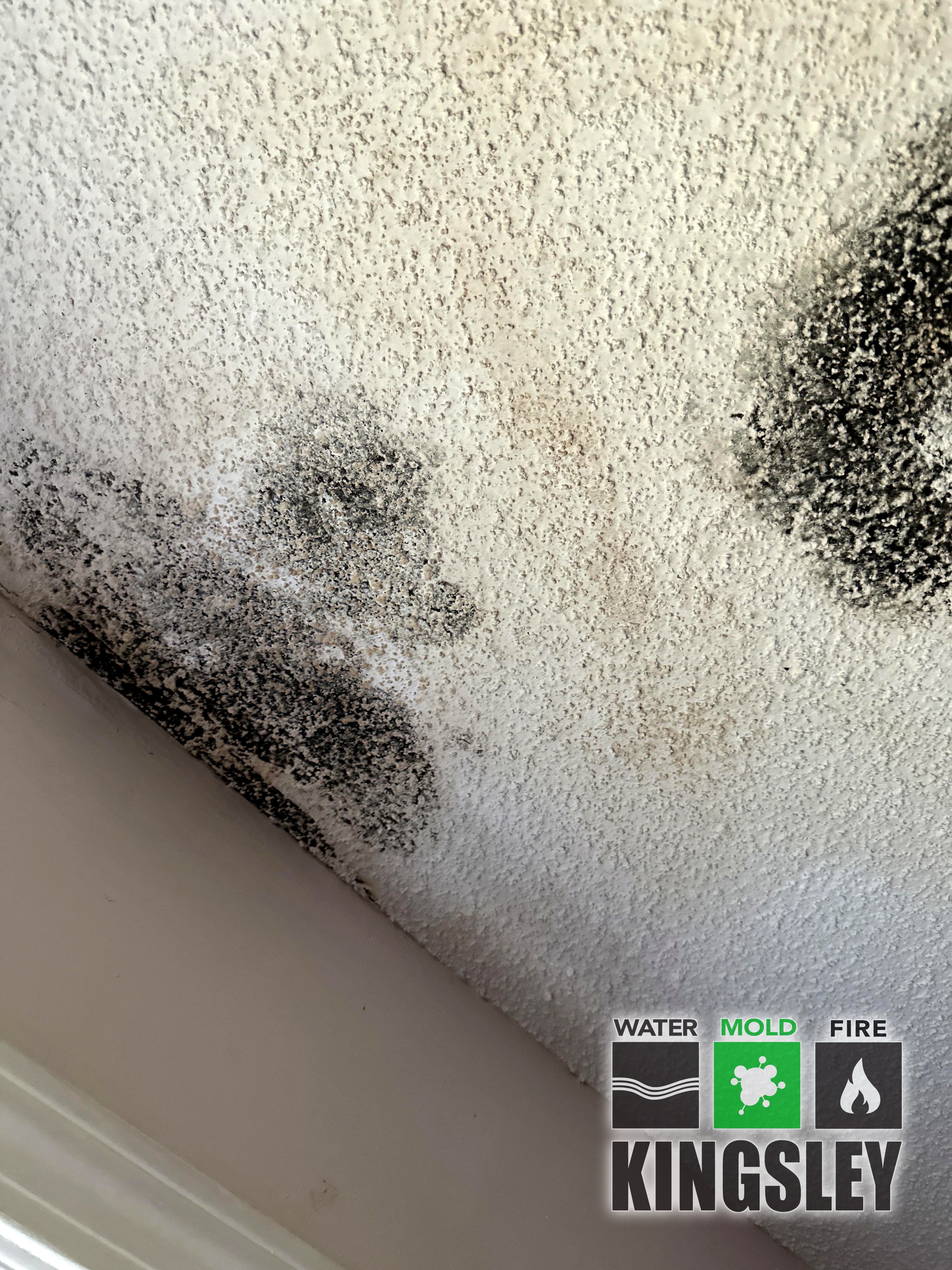
Kingsley water damage & Fire cleanup completed crawlspace joist mold inspection and cleanup in Carolina Forest, SC. On arrival we walked the loss area and documented crawlspace Joist Mold Inspection and Cleanup. That photo-backed condition check defined where finishes had to open, what could stay, and where drying equipment had to aim. The home needed source control, selective removal of non-salvageable wet or contaminated material, and verified drying of what remained in Carolina Forest. We avoided opening dry cavities that meters and the camera did not support on this Carolina Forest stop.

During mitigation we controlled the work zone so debris and spores did not track into clean rooms. Where finishes blocked drying, we opened only the wet footprint shown by meters and the photo record. Non-salvageable saturated material was bagged and removed; salvageable framing and sheathing were cleaned and treated when microbial staining warranted it. HEPA vacuuming and careful handling limited dust from demo. The unique on-site detail that guided this Carolina Forest file was crawlspace Joist Mold Inspection and Cleanup. Contents near the work path were shifted or protected before tools came out in this Carolina Forest home.

IICRC water-damage and mold-remediation practice prioritizes stop the moisture source, remove what cannot be dried in place, clean and treat remaining structures with an EPA-registered antimicrobial when staining warranted it, then dry to target with measured air movement and dehumidification. We placed air movers and dehumidifiers to match the crawlspace bay, aimed airflow along the wet materials in the photo, and rechecked moisture on a 3–7 day drying calendar with overnight humidity checks—never past about a week. Skipping that short monitoring window is how a straightforward wet call becomes secondary damage or a musty return odor in Carolina Forest.

As readings stabilized within that first-week window, we demobilized equipment and left the work area ready for any needed rebuild of finishes or insulation. Photo documentation of the mitigation state stayed with the job file for the Carolina Forest property, including the same angle that showed crawlspace Joist Mold Inspection and Cleanup. Helpful takeaway: Dark staining on crawl joists in Carolina Forest is a reason to map moisture before buttoning the bay back up with fresh vapor barrier.

Homeowners comparing crawlspace joist mold inspection and cleanup options in the Carolina Forest area should expect a written moisture map, selective removal instead of full tear-out when meters allow, and a clear end point when materials hit dry goal—not an open-ended equipment rental. Kingsley water damage & Fire cleanup follows that measured approach so rebuild decisions rest on documented conditions rather than a calendar guess.

When rebuild starts, keep the dry-standard notes handy for flooring, cabinet, or insulation trades so no one closes a cavity that still reads wet. That handoff is part of finishing crawlspace joist mold inspection and cleanup correctly in Carolina Forest after mitigation—not a separate sales pitch.

Throughout the Carolina Forest job we kept communication practical: what was wet, what was removed, what was drying, and when meters said the assembly met goal. That plain record is what homeowners and trades use after crawlspace joist mold inspection and cleanup—not jargon and not an invented multi-week timeline.

September 09, 2026 | Carolina Forest, SC

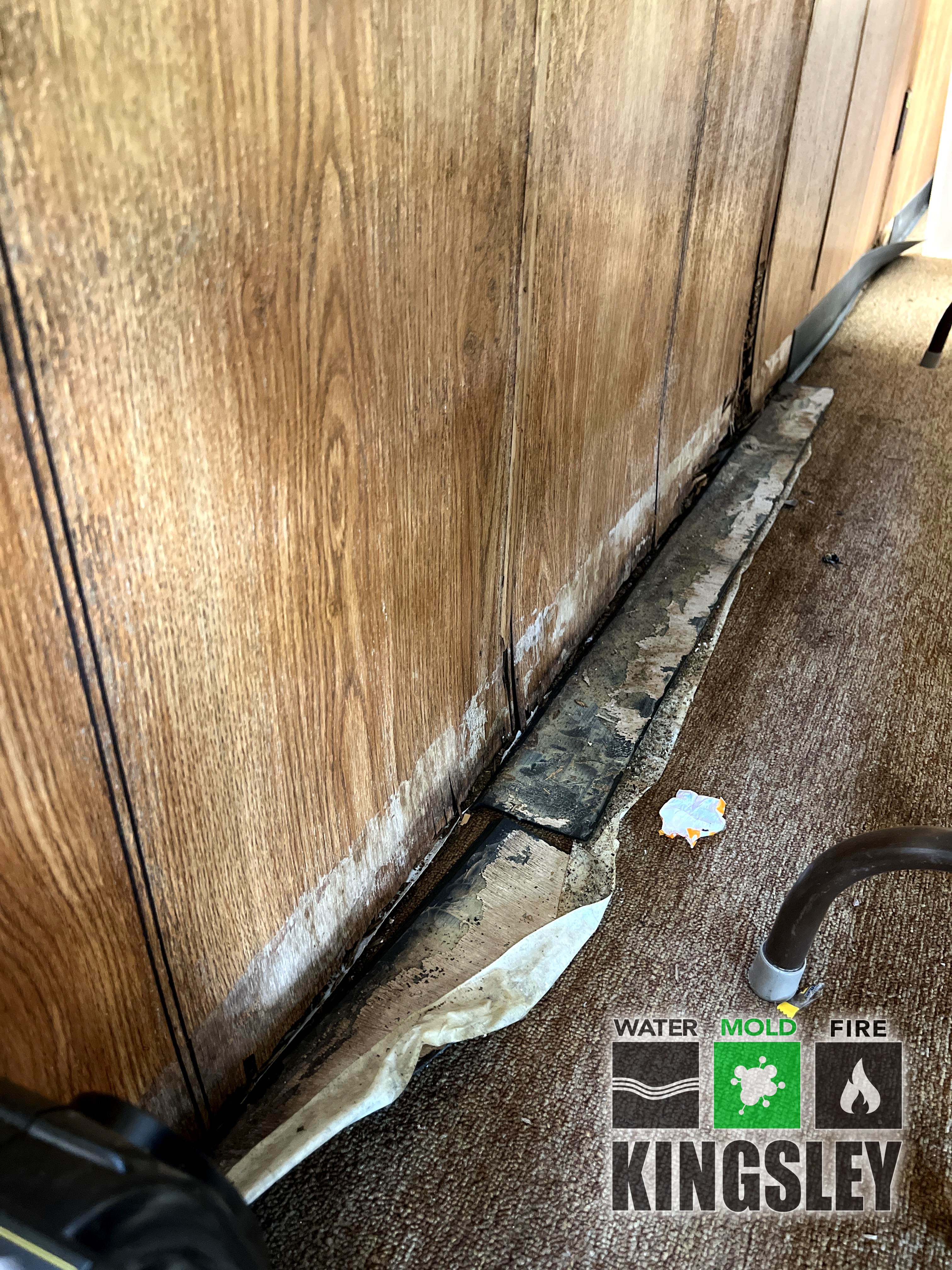
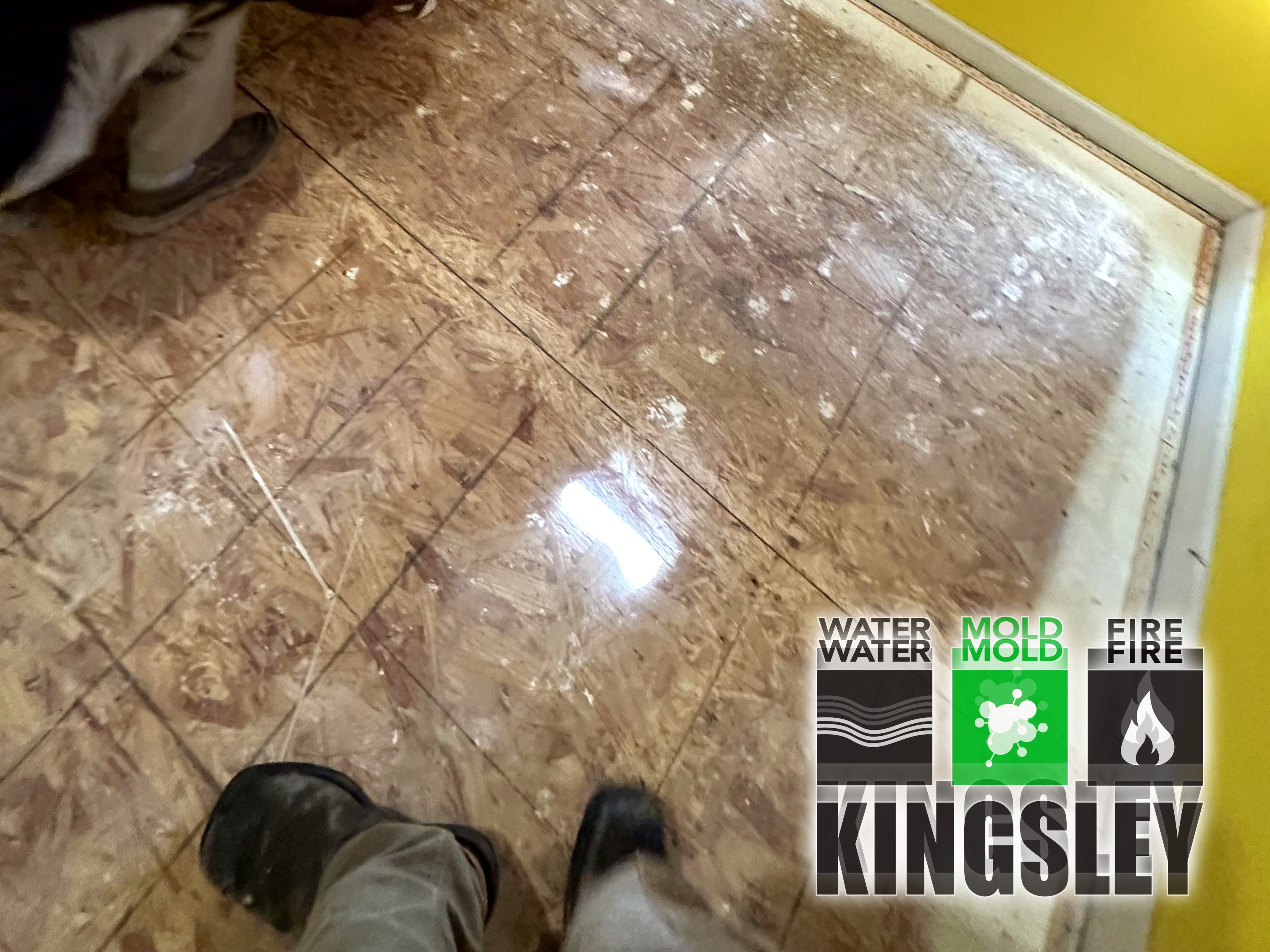
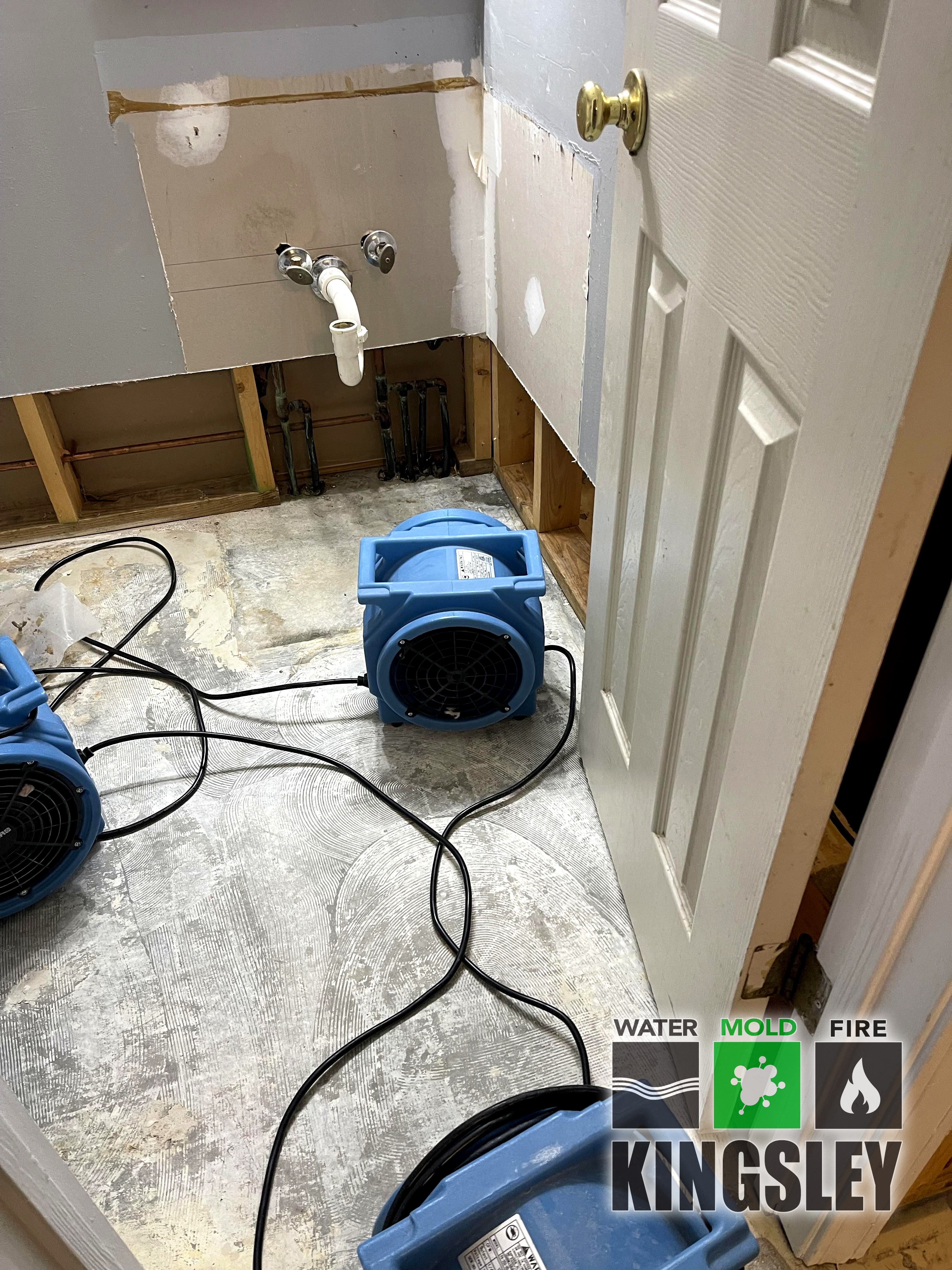
Kingsley water damage & Fire cleanup handled doorway subfloor water damage cleanup for a Carolina Forest, SC property. The camera and meters guided scope from the start: doorway Subfloor Water Damage Cleanup. That photo-backed condition check defined where finishes had to open, what could stay, and where drying equipment had to aim. The home needed source control, selective removal of non-salvageable wet or contaminated material, and verified drying of what remained in Carolina Forest. We labeled the wet edge on the sketch so later visits matched day-one photos in Carolina Forest.

During mitigation we controlled the work zone so debris did not track into clean rooms. Where finishes blocked drying, we opened only the wet footprint shown by meters and the photo record. Non-salvageable saturated material was bagged and removed; salvageable framing and sheathing were cleaned. HEPA vacuuming and careful handling limited dust from demo. The unique on-site detail that guided this Carolina Forest file was doorway Subfloor Water Damage Cleanup. We avoided opening dry cavities that meters and the camera did not support on this Carolina Forest stop.

IICRC water-damage practice prioritizes stop the moisture source, remove what cannot be dried in place, clean remaining structures, then dry to target with measured air movement and dehumidification. We placed air movers and dehumidifiers to match the wet assembly, aimed airflow along the wet materials in the photo, and rechecked moisture on a 3–7 day drying calendar with overnight humidity checks—never past about a week. Skipping that short monitoring window is how a straightforward wet call becomes secondary damage or a musty return odor in Carolina Forest.

As readings stabilized within that first-week window, we demobilized equipment and left the work area ready for any needed rebuild of finishes or insulation. Photo documentation of the mitigation state stayed with the job file for the Carolina Forest property, including the same angle that showed doorway Subfloor Water Damage Cleanup. Helpful takeaway: If flooring feels soft, edges cup, or a stain keeps spreading in Carolina Forest, stop walking the wet zone and request moisture mapping before new finishes go down.

Homeowners comparing doorway subfloor water damage cleanup options in the Carolina Forest area should expect a written moisture map, selective removal instead of full tear-out when meters allow, and a clear end point when materials hit dry goal—not an open-ended equipment rental. Kingsley water damage & Fire cleanup follows that measured approach so rebuild decisions rest on documented conditions rather than a calendar guess.

When rebuild starts, keep the dry-standard notes handy for flooring, cabinet, or insulation trades so no one closes a cavity that still reads wet. That handoff is part of finishing doorway subfloor water damage cleanup correctly in Carolina Forest after mitigation—not a separate sales pitch.

Throughout the Carolina Forest job we kept communication practical: what was wet, what was removed, what was drying, and when meters said the assembly met goal. That plain record is what homeowners and trades use after doorway subfloor water damage cleanup—not jargon and not an invented multi-week timeline.

March 10, 2026 | Carolina Forest, sc

Socastee in Carolina Forest.

August 24, 2025 | Carolina Forest, SC

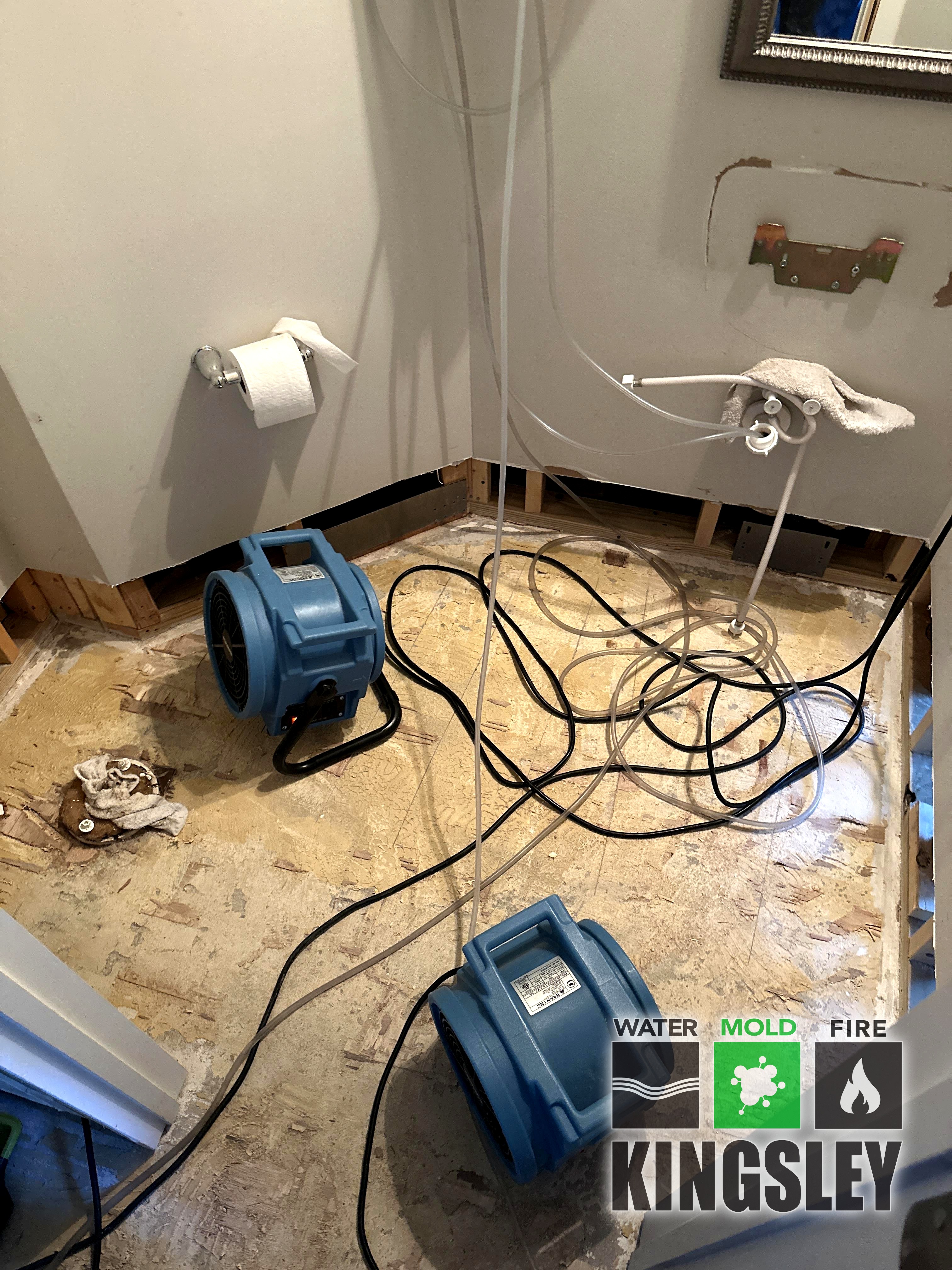
Kingsley Water Damage & Fire Cleanup provided crawlspace and bathroom mitigation for a homeowner in Carolina Forest, SC. Bathroom leaks and overflows often send water through the subfloor into the crawlspace, where damp wood, insulation, and standing moisture can linger out of sight. On this type of call we start by confirming the water is off at the fixture or supply, checking that the bathroom floor and adjacent finishes are safe to walk, and inspecting the crawlspace entry so the crew can see how far moisture traveled under the home before any drying plan is locked in. That whole-house moisture path—from the wet bathroom down into the crawl—is what drives scope in Carolina Forest homes built over open or sealed crawl bays.

Mitigation follows a homeowner-friendly sequence: contain the work zone so dust and moisture do not track into clean rooms, open only the wet footprint that meters and visual inspection support, and decide what can be cleaned and dried in place versus what must be removed. In bathrooms that can mean carefully handling wet vanity bases, toilet flanges, or saturated underlayment when they block drying. In the crawlspace it can mean bagging unsalvageable wet insulation, wiping and treating salvageable framing when staining or microbial growth warrants it, and using HEPA vacuuming so debris from selective demo stays controlled. Protected pathways and temporary barriers keep the rest of the house usable while the wet zones are worked.

IICRC water-damage practice prioritizes stop the source, remove materials that cannot be dried in place, clean remaining structures, then dry with measured air movement and dehumidification. Air movers and dehumidifiers are placed to match the wet bathroom floor assembly and the crawl bay beneath it, with airflow aimed along damp joists and subfloor undersides rather than running equipment aimlessly. Moisture is rechecked on a 3–7 day drying calendar with overnight humidity awareness—never stretched past about a week for a straightforward mitigation. Skipping that short monitoring window is how a bathroom leak becomes secondary damage in adjoining cavities or a musty return odor under the floor. Quiet work windows are held when the household schedule requires it.

As readings stabilize and the bathroom and crawlspace reach a clean, dry condition within that first-week window, equipment is demobilized and the areas are left ready for any needed rebuild of finishes, insulation, or bathroom fixtures by the homeowner’s chosen trade. Clear handoff notes on what was removed versus what was dried in place help flooring, plumbing, or insulation contractors pick up without reopening dry assemblies. The goal is a stable, odor-controlled under-floor environment and a bathroom floor system ready for lasting repairs—not a rushed cover-up over damp wood.

Helpful takeaway for Carolina Forest homeowners: if you notice soft bathroom flooring, staining at the tub or toilet, musty odors from floor registers, or damp insulation in the crawl, have the moisture path inspected before new flooring or vapor barrier hides the problem. Expect a clear wet map, selective removal instead of full tear-out when meters allow, and a defined end point when materials hit dry goal—not an open-ended equipment rental. Early action after a bathroom overflow usually shortens the drying calendar and limits how much underlayment or insulation has to leave the home.

Homeowners comparing crawlspace and bathroom mitigation options around Carolina Forest and the greater Grand Strand should look for contained demo, measured drying on a 3–7 day plan, and honest talk about what can be saved. Kingsley Water Damage & Fire Cleanup serves Carolina Forest and nearby communities from 3031 Scotsman Rd Suite 16, Columbia, SC 29223, with 24/7 coordination at 803-590-0370 when water is actively spreading from a bath into the crawlspace below.

September 26, 2026 | Myrtle Beach, SC

Kingsley water damage & Fire cleanup handled tile floor moisture mapping and water cleanup for a Myrtle Beach, SC property. The camera and meters guided scope from the start: tile Floor Moisture Mapping and Water Cleanup. That photo-backed condition check defined where finishes had to open, what could stay, and where drying equipment had to aim. The home needed source control, selective removal of non-salvageable wet or contaminated material, and verified drying of what remained in Myrtle Beach. The adjuster-ready photo set stayed with the file so rebuild trades could see the same framed assembly the crew saw.

During mitigation we controlled the work zone so debris did not track into clean rooms. Where finishes blocked drying, we opened only the wet footprint shown by meters and the photo record. Non-salvageable saturated material was bagged and removed; salvageable framing and sheathing were cleaned. HEPA vacuuming and careful handling limited dust from demo. The unique on-site detail that guided this Myrtle Beach file was tile Floor Moisture Mapping and Water Cleanup. The adjuster-ready photo set stayed with the file so rebuild trades could see the same framed assembly the crew saw.

IICRC water-damage practice prioritizes stop the moisture source, remove what cannot be dried in place, clean remaining structures, then dry to target with measured air movement and dehumidification. We placed air movers and dehumidifiers to match the wet assembly, aimed airflow along the wet materials in the photo, and rechecked moisture on a 3–7 day drying calendar with overnight humidity checks—never past about a week. Skipping that short monitoring window is how a straightforward wet call becomes secondary damage or a musty return odor in Myrtle Beach.

As readings stabilized within that first-week window, we demobilized equipment and left the work area ready for any needed rebuild of finishes or insulation. Photo documentation of the mitigation state stayed with the job file for the Myrtle Beach property, including the same angle that showed tile Floor Moisture Mapping and Water Cleanup. Helpful takeaway: A leak that looks dry after towels in Myrtle Beach can still leave wet underlayment—meter the assembly before rebuild.

Homeowners comparing tile floor moisture mapping and water cleanup options in the Myrtle Beach area should expect a written moisture map, selective removal instead of full tear-out when meters allow, and a clear end point when materials hit dry goal—not an open-ended equipment rental. Kingsley water damage & Fire cleanup follows that measured approach so rebuild decisions rest on documented conditions rather than a calendar guess.

When rebuild starts, keep the dry-standard notes handy for flooring, cabinet, or insulation trades so no one closes a cavity that still reads wet. That handoff is part of finishing tile floor moisture mapping and water cleanup correctly in Myrtle Beach after mitigation—not a separate sales pitch.

Throughout the Myrtle Beach job we kept communication practical: what was wet, what was removed, what was drying, and when meters said the assembly met goal. That plain record is what homeowners and trades use after tile floor moisture mapping and water cleanup—not jargon and not an invented multi-week timeline.

September 29, 2026 | Socastee, SC

Kingsley water damage & Fire cleanup handled supply line water extraction and drying for a Socastee, SC property. The camera and meters guided scope from the start: supply Line Water Extraction and Drying. That photo-backed condition check defined where finishes had to open, what could stay, and where drying equipment had to aim. The home needed source control, selective removal of non-salvageable wet or contaminated material, and verified drying of what remained in Socastee. We labeled the wet edge on the sketch so later visits matched day-one photos.

During mitigation we controlled the work zone so debris did not track into clean rooms. Where finishes blocked drying, we opened only the wet footprint shown by meters and the photo record. Non-salvageable saturated material was bagged and removed; salvageable framing and sheathing were cleaned. HEPA vacuuming and careful handling limited dust from demo. The unique on-site detail that guided this Socastee file was supply Line Water Extraction and Drying. Contents near the work path were shifted or protected before tools came out.

IICRC water-damage practice prioritizes stop the moisture source, remove what cannot be dried in place, clean remaining structures, then dry to target with measured air movement and dehumidification. We placed air movers and dehumidifiers to match the wet assembly, aimed airflow along the wet materials in the photo, and rechecked moisture on a 3–7 day drying calendar with overnight humidity checks—never past about a week. Quiet work windows were held where the household schedule required it, without stretching past that first-week ceiling. Skipping that short monitoring window is how a straightforward wet call becomes secondary damage or a musty return odor in Socastee.

As readings stabilized within that first-week window, we demobilized equipment and left the work area ready for any needed rebuild of finishes or insulation. Photo documentation of the mitigation state stayed with the job file for the Socastee property, including the same angle that showed supply Line Water Extraction and Drying. Helpful takeaway: If flooring feels soft, edges cup, or a stain keeps spreading in Socastee, stop walking the wet zone and request moisture mapping before new finishes go down.

Homeowners comparing supply line water extraction and drying options in the Socastee area should expect a written moisture map, selective removal instead of full tear-out when meters allow, and a clear end point when materials hit dry goal—not an open-ended equipment rental. Kingsley water damage & Fire cleanup follows that measured approach so rebuild decisions rest on documented conditions rather than a calendar guess.

When rebuild starts, keep the dry-standard notes handy for flooring, cabinet, or insulation trades so no one closes a cavity that still reads wet. That handoff is part of finishing supply line water extraction and drying correctly in Socastee after mitigation. Throughout the job we kept communication practical: what was wet, what was removed, what was drying, and when meters said the assembly met goal—without inventing a multi-week timeline.

For this Socastee stop, the close-out standard stayed simple: meters at goal, photo set filed, and no equipment left running past the 3–7 day band.

September 27, 2026 | Myrtle Beach, SC

In Myrtle Beach, SC, Kingsley water damage & Fire cleanup performed crawlspace mold inspection and cleanup after documenting crawlspace Mold Inspection and Cleanup during the initial condition check. That photo-backed condition check defined where finishes had to open, what could stay, and where drying equipment had to aim. The home needed source control, selective removal of non-salvageable wet or contaminated material, and verified drying of what remained in Myrtle Beach. We labeled the wet edge on the sketch so later visits matched day-one photos in Myrtle Beach.

During mitigation we controlled the work zone so debris and spores did not track into clean rooms. Where finishes blocked drying, we opened only the wet footprint shown by meters and the photo record. Non-salvageable saturated material was bagged and removed; salvageable framing and sheathing were cleaned and treated when microbial staining warranted it. HEPA vacuuming and careful handling limited dust from demo. The unique on-site detail that guided this Myrtle Beach file was crawlspace Mold Inspection and Cleanup. The adjuster-ready photo set stayed with the file so rebuild trades could see the same framed assembly the crew saw.

IICRC water-damage and mold-remediation practice prioritizes stop the moisture source, remove what cannot be dried in place, clean and treat remaining structures with an EPA-registered antimicrobial when staining warranted it, then dry to target with measured air movement and dehumidification. We placed air movers and dehumidifiers to match the crawlspace bay, aimed airflow along the wet materials in the photo, and rechecked moisture on a 3–7 day drying calendar with overnight humidity checks—never past about a week. Skipping that short monitoring window is how a straightforward wet call becomes secondary damage or a musty return odor in Myrtle Beach.

As readings stabilized within that first-week window, we demobilized equipment and left the work area ready for any needed rebuild of finishes or insulation. Photo documentation of the mitigation state stayed with the job file for the Myrtle Beach property, including the same angle that showed crawlspace Mold Inspection and Cleanup. Helpful takeaway: Dark staining on crawl joists in Myrtle Beach is a reason to map moisture before buttoning the bay back up with fresh vapor barrier.

Homeowners comparing crawlspace mold inspection and cleanup options in the Myrtle Beach area should expect a written moisture map, selective removal instead of full tear-out when meters allow, and a clear end point when materials hit dry goal—not an open-ended equipment rental. Kingsley water damage & Fire cleanup follows that measured approach so rebuild decisions rest on documented conditions rather than a calendar guess.

When rebuild starts, keep the dry-standard notes handy for flooring, cabinet, or insulation trades so no one closes a cavity that still reads wet. That handoff is part of finishing crawlspace mold inspection and cleanup correctly in Myrtle Beach after mitigation—not a separate sales pitch.

Throughout the Myrtle Beach job we kept communication practical: what was wet, what was removed, what was drying, and when meters said the assembly met goal. That plain record is what homeowners and trades use after crawlspace mold inspection and cleanup—not jargon and not an invented multi-week timeline.

September 13, 2026 | Conway, SC

Kingsley water damage & Fire cleanup completed crawlspace joist mold inspection and cleanup in Conway, SC. On arrival we walked the loss area and documented crawlspace Joist Mold Inspection and Cleanup. That photo-backed condition check defined where finishes had to open, what could stay, and where drying equipment had to aim. The home needed source control, selective removal of non-salvageable wet or contaminated material, and verified drying of what remained in Conway. The adjuster-ready photo set stayed with the file so rebuild trades could see the same framed assembly the crew saw.

During mitigation we controlled the work zone so debris and spores did not track into clean rooms. Where finishes blocked drying, we opened only the wet footprint shown by meters and the photo record. Non-salvageable saturated material was bagged and removed; salvageable framing and sheathing were cleaned and treated when microbial staining warranted it. HEPA vacuuming and careful handling limited dust from demo. The unique on-site detail that guided this Conway file was crawlspace Joist Mold Inspection and Cleanup. Contents near the work path were shifted or protected before tools came out in this Conway home.

IICRC water-damage and mold-remediation practice prioritizes stop the moisture source, remove what cannot be dried in place, clean and treat remaining structures with an EPA-registered antimicrobial when staining warranted it, then dry to target with measured air movement and dehumidification. We placed air movers and dehumidifiers to match the crawlspace bay, aimed airflow along the wet materials in the photo, and rechecked moisture on a 3–7 day drying calendar with overnight humidity checks—never past about a week. Skipping that short monitoring window is how a straightforward wet call becomes secondary damage or a musty return odor in Conway.

As readings stabilized within that first-week window, we demobilized equipment and left the work area ready for any needed rebuild of finishes or insulation. Photo documentation of the mitigation state stayed with the job file for the Conway property, including the same angle that showed crawlspace Joist Mold Inspection and Cleanup. Helpful takeaway: If you notice musty odors from floor registers or white spotting on crawl wood under a Conway home, have the moisture source and joists inspected before new insulation hides the path.

Homeowners comparing crawlspace joist mold inspection and cleanup options in the Conway area should expect a written moisture map, selective removal instead of full tear-out when meters allow, and a clear end point when materials hit dry goal—not an open-ended equipment rental. Kingsley water damage & Fire cleanup follows that measured approach so rebuild decisions rest on documented conditions rather than a calendar guess.

When rebuild starts, keep the dry-standard notes handy for flooring, cabinet, or insulation trades so no one closes a cavity that still reads wet. That handoff is part of finishing crawlspace joist mold inspection and cleanup correctly in Conway after mitigation—not a separate sales pitch.

Throughout the Conway job we kept communication practical: what was wet, what was removed, what was drying, and when meters said the assembly met goal. That plain record is what homeowners and trades use after crawlspace joist mold inspection and cleanup—not jargon and not an invented multi-week timeline.