Job completed for Mold Remediation in Lexington, SC
Completion date: September 2, 2022
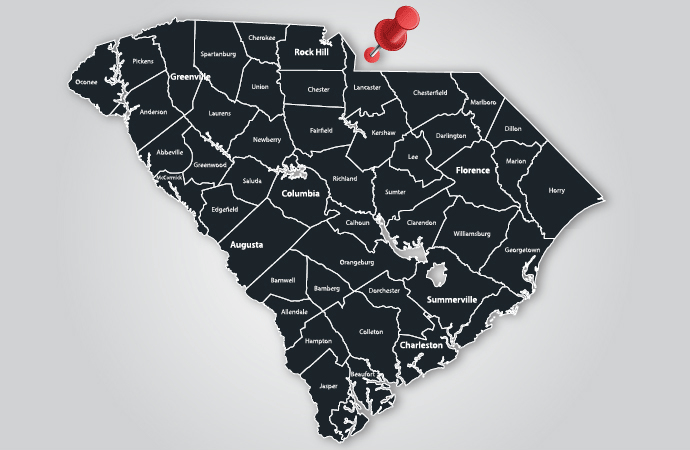
Location: Lexington, SC
Why did the customer contact us?
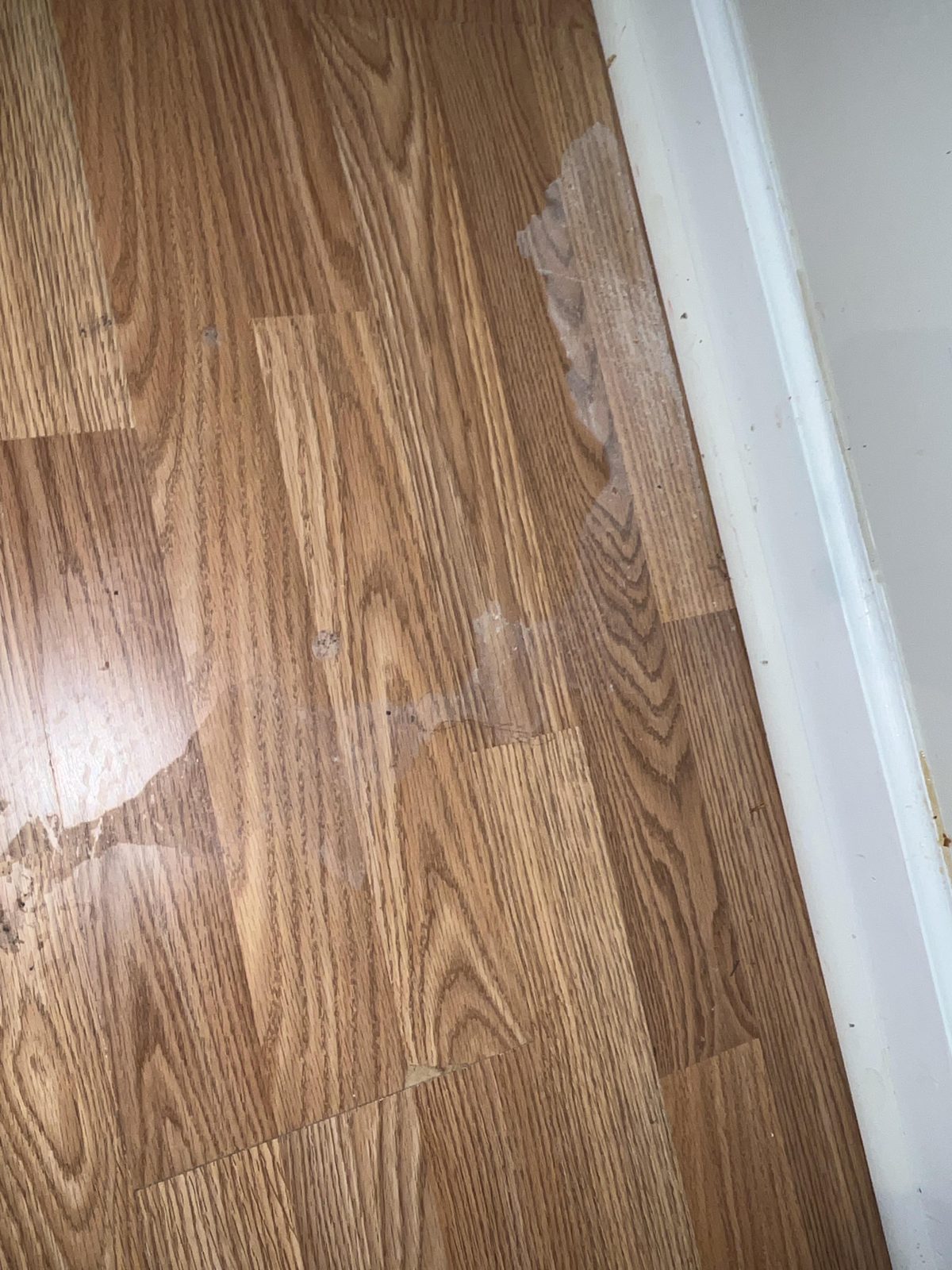
A homeowner in Lexington, SC called us after finding mold spread through several rooms on the main level of their house. The source turned out to be a leaking drain line in the kitchen ceiling that had been releasing water for a long time before anyone noticed it. The plumbing repair had already been made by the time they called, but the mold left behind in the bathroom, bedrooms, kitchen, laundry room and living areas still needed professional remediation.
Solutions provided:
We started in this Lexington home with a full inspection, because mold that shows up in one room is rarely limited to that room. Using moisture meters and infrared thermal imaging, we traced how far water from the kitchen ceiling drain had traveled and where it was still sitting inside walls, floors and trim. That gave us a map of every affected area, including the spots behind finished surfaces where nothing was visible from the outside.
Before removing anything, we sealed the work areas off from the rest of the house with plastic sheeting and set up negative air pressure using machines fitted with HEPA filters. This step matters more than most people expect. Disturbing mold releases spores into the air, and without containment those spores drift into rooms that were perfectly fine. The negative pressure kept air flowing into the work zone rather than out of it, and the HEPA units pulled spores out of the air as we worked.
With containment in place, we removed the materials that could not be saved: the affected ceiling and drywall, sections of flooring, and the baseboards and trim. Porous building materials hold mold inside them, so cleaning the surface is not enough and they have to come out. As we went, we HEPA vacuumed surfaces and settled dust to pick up loose spores, then applied an antimicrobial treatment to the wood framing and structural members that stayed in place.
Removal is only half of the job. Mold needs moisture, so the building materials had to be brought back to a normal moisture level before anything was rebuilt. We set commercial dehumidifiers and air movers throughout the affected part of the home and checked relative humidity and the moisture content of the wood and drywall every day with meters, rather than guessing from how the air felt. The equipment stayed running until those readings held steady at normal levels.
Once the readings confirmed the structure was dry and the cleaning was finished, the space was ready to be put back together with new drywall and ceiling, new flooring and new trim. Most of the families we work with in Lexington are less concerned with the construction side and more concerned with whether the problem is actually gone, which is why the drying data and the containment steps matter as much as the visible repairs.
Mold work like this often looks worse in the middle than it did at the beginning, because opening up ceilings and walls exposes everything the leak touched. That is a necessary stage rather than a setback. By the end, the source of the moisture had been repaired, the contaminated materials were gone, the remaining structure had been cleaned and treated, and the house was dry.
Photos & Videos: