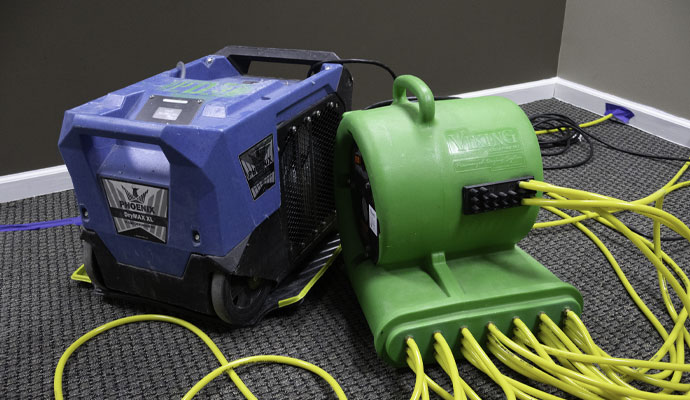
BEST Water & Fire Damage Restoration in Spartanburg, SC

All Damage Restoration Companies Are The Same, Right? Think Again

  • Immediate Dispatch- Calls Answered Live
  • Insurance Damage Repair Specialists
  • No Money Upfront- Direct Bill Insurance
  • 440+ five-star Google reviews
  • All Work Guaranteed
803-590-0370
Water Damage Repair in Spartanburg, SC

What to do right now

Active leak or standing water? Start here--simple steps that protect people and property without boxing you into a vendor list.

  1. Stop the water if you can (shutoff) and stay safe.
  2. Call us for a free phone consult -- we dispatch immediately on emergencies and tell you whether your next call should be a plumber, your insurance company, or neither. 803-590-0370
  3. You choose your contractor. Preferred-vendor lists are optional; you're not required to use them.

Your choice, your advocate. Kingsley Water Damage & Fire Cleanup is independent--we document thoroughly, work with carriers daily, and put your property first. Preferred lists don't override your right to hire who you trust.

803-590-0370

Why Choose Kingsley Water Damage & Fire Cleanup?
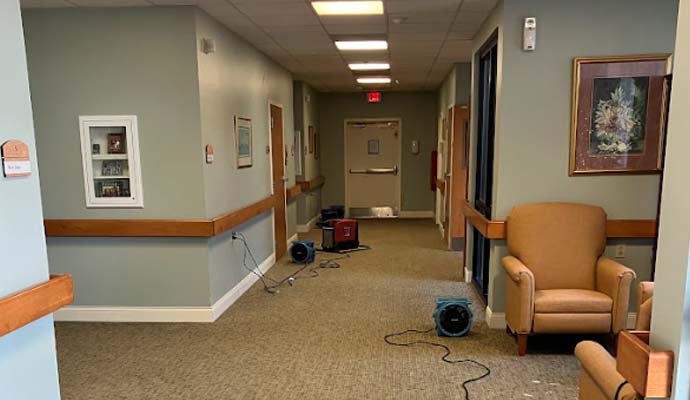
Kingsley water damage restoration process
  • Unmatched Service Quality: 440+ five-star Google reviews. We accept all insurance but operate independently--your needs stay the top priority.
  • Transparent Estimates Without Pressure: Clear water damage scopes and documentation so you can decide without high-pressure sales tactics.
  • Round-the-Clock Emergency Response: Rain, sleet, hail, or pipe burst--our 24-hour team is ready for Spartanburg emergencies.
  • Direct Bill Insurance: We bill carriers when the claim allows, so you aren't stuck fronting the whole mitigation bill.

Local Expertise for Spartanburg Residents

Converse-side cottages, East Main brick, and BMW-corridor warehouses shape staging. Tight cottage soot jobs often add air duct cleaning; ambiguous attic staining gets mold testing.

Your Partner in Property Restoration

Spartanburg property owners pick the restoration firm. Kingsley Water Damage & Fire Cleanup documents and dries--preferred names stay optional.

Coverage questions? We document the loss thoroughly; your carrier confirms what your policy covers. For flood basics see Ready.gov.

Real Client Needs in Spartanburg

Recent first-time callers looking for Kingsley water damage & Fire cleanup help in and around Spartanburg.

Jennifer T.

Need Kingsley for a water-related issue at my Upstate home. First time calling--looking for an on-site inspection and a clear plan for drying and cleanup.
William W.

A pipe burst soaked a carpeted guest room and I'm concerned about mold. Need an inspection, water extraction, and drying plan for my Spartanburg home.
Benjamin B.

There appears to be mold growing on the AC vents. I need testing guidance and a remediation estimate so we can clear the vents and any connected moisture before it gets worse.

Spartanburg housing, downtown revitalization & I-85 corridors

Spartanburg sits along the I-85 / downtown revitalization corridor with mill-era stock, newer subdivisions, and humid Upstate summers. Kingsley Water Damage & Fire Cleanup responds from 3031 Scotsman Rd Suite 16, Columbia, SC 29223 with Upstate crews.

Everyday losses here still dominate: supply breaks, water heaters, appliance leaks, and roof intrusion after severe cells. Older plaster and crawlspaces need slower, meter-checked dry paths--another reason we stick to goals inside a typical 3-7 day residential drying window.

We do not invent flood narratives for SEO. When standing or contaminated water is present, we categorize the loss using industry water categories (IICRC) and follow safe cleanup practices aligned with FEMA flood-cleanup guidance and IICRC standards. For state emergency preparedness resources, see the South Carolina Emergency Management Division.

Nearby cities we serve

From Spartanburg we regularly dispatch to these Upstate and Midlands communities:

Trusted standards & emergency resources

Mill villages, Eastside & Spartanburg I-85 context

Wofford-side cottages speak plaster. Eastside ranches speak vinyl toe-kicks. Westgate bays speak light-commercial mop sinks. Boiling Springs cul-de-sacs speak new LVP.

I-85 freight weather loads flashing details Midlands slabs rarely meet.

  • Lathe pocket wet-outs near Converse and Wofford
  • Vinyl toe-kick rings on Eastside ranches
  • Mop-sink failures in Westgate bays
  • New LVP ice-maker lines in Boiling Springs

Nearby we also cover heavily: Greer, Greenville, Boiling Springs, Inman, Gaffney approaches.

Spartanburg's plaster-and-mill tongue is foreign to Cayce clay rings and Hilton Head elevators.

Frequently Asked Questions -- Spartanburg, SC

Many homes verify in about 3-7 days. Lathe-and-plaster holds moisture longer than vinyl Eastside floors. Rebuild waits on readings. Our methods align with IICRC restoration standards for moisture mapping and verified drying.

Yes--Wofford/Converse cottages, Eastside ranches, Westgate, Hillcrest, and Boiling Springs. Call 803-590-0370.

Not by default. Meter plaster first; open only the wet lathe footprint.

Usually you choose. We document daily with adjusters either way.

A free phone consult first sorts whether you need tarping, a plumber, or a claim call next.

No. Use crawl space protocols when growth and moisture sit under the home.

Need help at a Spartanburg property? Call 803-590-0370 or use our contact page. Office: 3031 Scotsman Rd Suite 16, Columbia, SC 29223 · 803-590-0370.
Our customers love us!

See All 439 Reviews
Customer Reviews from Spartanburg and Surrounding Areas ( 5
from 12 reviews )

Happy Customers across Spartanburg and Surrounding Areas

Completed Jobs from Spartanburg and Surrounding Areas

See All

September 11, 2026 | Spartanburg, SC

Kingsley water damage & Fire cleanup handled outdoor air sampling during mold inspection for a Spartanburg, SC property. The camera and meters guided scope from the start: air sampling pump on tripod during mold inspection. That setup—not a guess from the porch—defined where samples or meter points were pulled and what the homeowner file needed next. Outdoor control readings sat alongside indoor locations so any later remediation decision in Spartanburg could point back to the same photo and sample map. We labeled each draw location on the sketch so a second visit would match day-one photos.

During the visit we protected finished floors and kept equipment stable while pumps, cassettes, or meters did their timed work. We photographed labels and locations, noted nearby stain or odor clues, and avoided inventing Category or Class labels the documentation did not support. Where visible growth or water staining appeared next to the sample path, that observation stayed in the notes for the Spartanburg file without publishing lab numbers here. Contents near the work path were shifted or protected before tools came out.

IICRC-aligned inspection practice separates find-the-moisture-story from tear-out. If cleanup followed, it would still aim at source control, remove what cannot be saved, clean and treat remaining structures when staining warranted it, then dry to target on a 3–7 day monitoring calendar when materials were wet—never past about a week. This visit focused on documentation so any later drying window in Spartanburg would start from a clear map instead of an open-ended equipment guess.

We demobilized sampling or metering gear, left the property tidy aside from the documented test points, and filed photos with the job record. A short written summary of locations checked stayed with the Spartanburg file for the homeowner and any follow-on trade. Helpful takeaway: If indoor air feels musty or you see unexplained staining in Spartanburg, ask for a documented inspection with outdoor and indoor samples before anyone starts demo.

Homeowners comparing mold inspection or moisture-mapping options in the Spartanburg area should expect labeled sample or meter locations, outdoor controls when air is tested, and photo-backed notes—not a one-line checklist. Kingsley water damage & Fire cleanup keeps that trail so cleanup crews and rebuild trades can see what drove the recommendation without redoing the first walkthrough.

If cleanup is later approved, the same IICRC order applies: stop the source, open only the wet footprint, HEPA and clean what remains, and verify dry goals inside that first-week window. Starting from this inspection record is how Spartanburg homeowners avoid paying twice for the same unknowns. Throughout we kept communication practical—what was checked, what was photographed, and what still needed a meter before rebuild.

For this Spartanburg stop, the close-out standard stayed simple: meters at goal, photo set filed, and no equipment left running past the 3–7 day band.

For this Spartanburg inspection stop we also noted weather and HVAC status at the time of the draws so later readers understand why outdoor controls mattered that day. Labels on cassettes matched the photo board, and nothing in the marketing copy invents spore counts or species names that belong in the lab report only.

If remediation is approved later, the same 3–7 day drying discipline applies once materials are wet: monitor to goal, then demobilize—never an open-ended week-plus rental. Helpful takeaway: If indoor air feels musty or you see unexplained staining in Spartanburg, ask for a documented inspection with outdoor and indoor samples before anyone starts demo.

September 10, 2026 | Spartanburg, SC

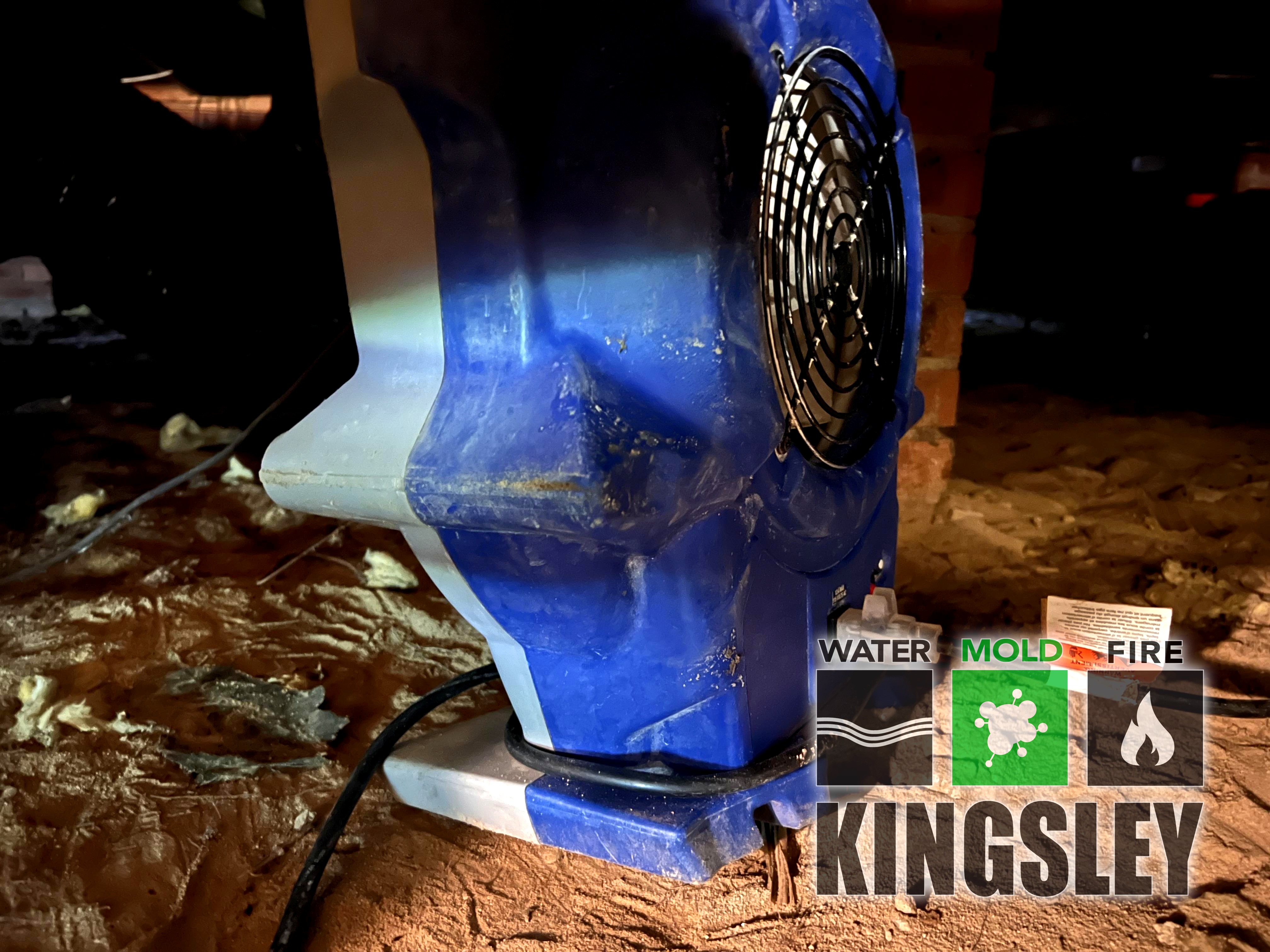
In Spartanburg, SC, Kingsley water damage & Fire cleanup performed residential water damage emergency response after documenting kingsley response truck on water damage call during the initial condition check. That photo-backed condition check defined where finishes had to open, what could stay, and where drying equipment had to aim. The home needed source control, selective removal of non-salvageable wet or contaminated material, and verified drying of what remained in Spartanburg. We labeled the wet edge on the sketch so later visits matched day-one photos.

During mitigation we controlled the work zone so debris did not track into clean rooms. Where finishes blocked drying, we opened only the wet footprint shown by meters and the photo record. Non-salvageable saturated material was bagged and removed; salvageable framing and sheathing were cleaned. HEPA vacuuming and careful handling limited dust from demo. The unique on-site detail that guided this Spartanburg file was kingsley response truck on water damage call. Contents near the work path were shifted or protected before tools came out.

IICRC water-damage practice prioritizes stop the moisture source, remove what cannot be dried in place, clean remaining structures, then dry to target with measured air movement and dehumidification. We placed air movers and dehumidifiers to match the wet assembly, aimed airflow along the wet materials in the photo, and rechecked moisture on a 3–7 day drying calendar with overnight humidity checks—never past about a week. Quiet work windows were held where the household schedule required it, without stretching past that first-week ceiling. Skipping that short monitoring window is how a straightforward wet call becomes secondary damage or a musty return odor in Spartanburg.

As readings stabilized within that first-week window, we demobilized equipment and left the work area ready for any needed rebuild of finishes or insulation. Photo documentation of the mitigation state stayed with the job file for the Spartanburg property, including the same angle that showed kingsley response truck on water damage call. Helpful takeaway: If flooring feels soft, edges cup, or a stain keeps spreading in Spartanburg, stop walking the wet zone and request moisture mapping before new finishes go down.

Homeowners comparing residential water damage emergency response options in the Spartanburg area should expect a written moisture map, selective removal instead of full tear-out when meters allow, and a clear end point when materials hit dry goal—not an open-ended equipment rental. Kingsley water damage & Fire cleanup follows that measured approach so rebuild decisions rest on documented conditions rather than a calendar guess.

When rebuild starts, keep the dry-standard notes handy for flooring, cabinet, or insulation trades so no one closes a cavity that still reads wet. That handoff is part of finishing residential water damage emergency response correctly in Spartanburg after mitigation. Throughout the job we kept communication practical: what was wet, what was removed, what was drying, and when meters said the assembly met goal—without inventing a multi-week timeline.

For this Spartanburg stop, the close-out standard stayed simple: meters at goal, photo set filed, and no equipment left running past the 3–7 day band.

September 09, 2026 | Spartanburg, SC

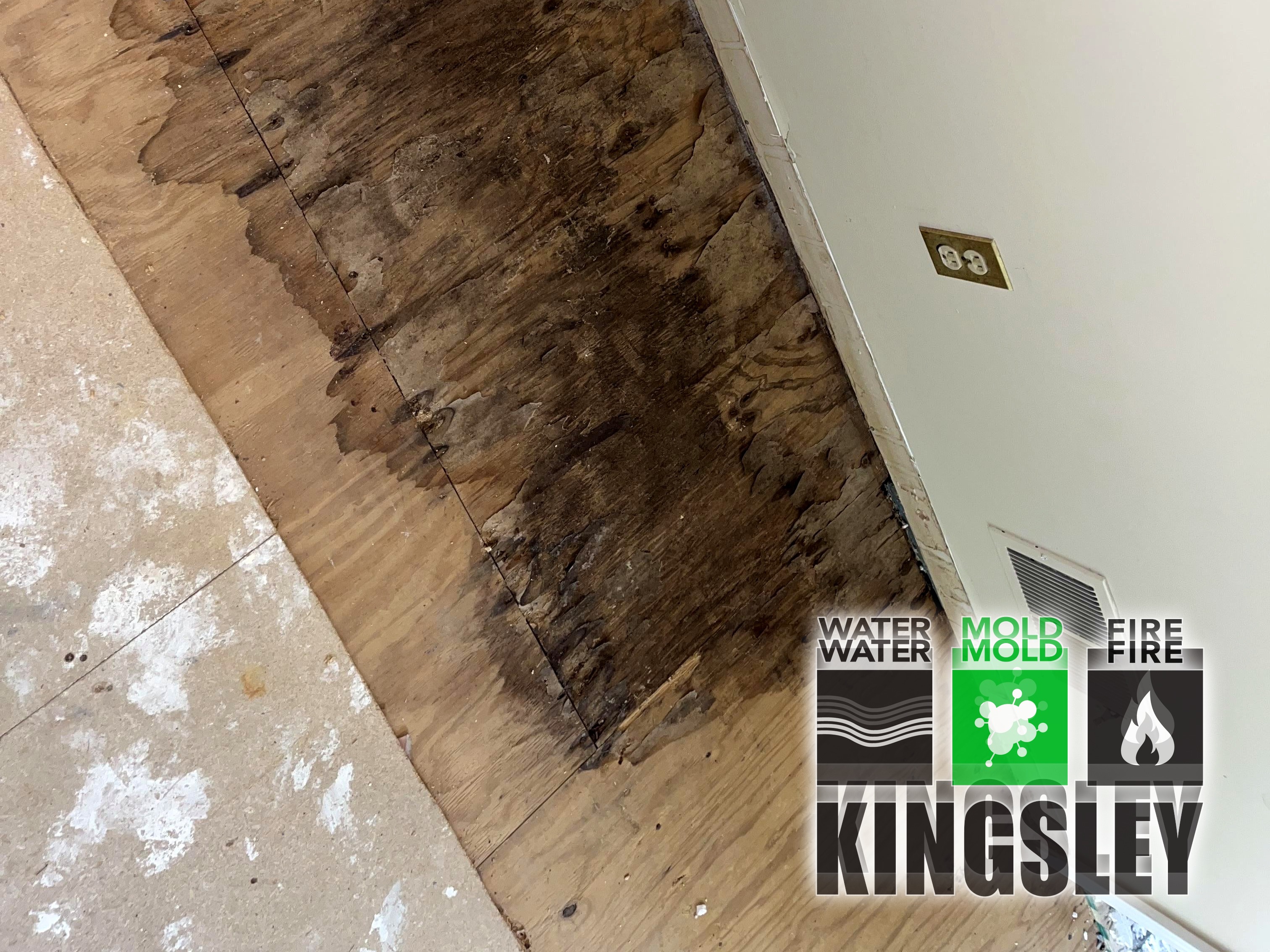
In Spartanburg, SC, Kingsley water damage & Fire cleanup performed residential water damage cleanup and drying after documenting residential water damage cleanup documentation during the initial condition check. That photo-backed condition check defined where finishes had to open, what could stay, and where drying equipment had to aim. The home needed source control, selective removal of non-salvageable wet or contaminated material, and verified drying of what remained in Spartanburg. We labeled the wet edge on the sketch so later visits matched day-one photos.

During mitigation we controlled the work zone so debris did not track into clean rooms. Where finishes blocked drying, we opened only the wet footprint shown by meters and the photo record. Non-salvageable saturated material was bagged and removed; salvageable framing and sheathing were cleaned. HEPA vacuuming and careful handling limited dust from demo. The unique on-site detail that guided this Spartanburg file was residential water damage cleanup documentation. Contents near the work path were shifted or protected before tools came out.

IICRC water-damage practice prioritizes stop the moisture source, remove what cannot be dried in place, clean remaining structures, then dry to target with measured air movement and dehumidification. We placed air movers and dehumidifiers to match the wet assembly, aimed airflow along the wet materials in the photo, and rechecked moisture on a 3–7 day drying calendar with overnight humidity checks—never past about a week. Quiet work windows were held where the household schedule required it, without stretching past that first-week ceiling. Skipping that short monitoring window is how a straightforward wet call becomes secondary damage or a musty return odor in Spartanburg.

As readings stabilized within that first-week window, we demobilized equipment and left the work area ready for any needed rebuild of finishes or insulation. Photo documentation of the mitigation state stayed with the job file for the Spartanburg property, including the same angle that showed residential water damage cleanup documentation. Helpful takeaway: If flooring feels soft, edges cup, or a stain keeps spreading in Spartanburg, stop walking the wet zone and request moisture mapping before new finishes go down.

Homeowners comparing residential water damage cleanup and drying options in the Spartanburg area should expect a written moisture map, selective removal instead of full tear-out when meters allow, and a clear end point when materials hit dry goal—not an open-ended equipment rental. Kingsley water damage & Fire cleanup follows that measured approach so rebuild decisions rest on documented conditions rather than a calendar guess.

When rebuild starts, keep the dry-standard notes handy for flooring, cabinet, or insulation trades so no one closes a cavity that still reads wet. That handoff is part of finishing residential water damage cleanup and drying correctly in Spartanburg after mitigation. Throughout the job we kept communication practical: what was wet, what was removed, what was drying, and when meters said the assembly met goal—without inventing a multi-week timeline.

For this Spartanburg stop, the close-out standard stayed simple: meters at goal, photo set filed, and no equipment left running past the 3–7 day band.